
See why supply chain data is becoming a manufacturing requirement and how Deepwear helps brands assess supplier data, facilities, materials, and production processes.
Supply chain data is becoming a larger part of how fashion brands evaluate manufacturing partners. Production updates, material information, facility records, certifications, environmental data, and supplier details increasingly need to move between brands and manufacturers in a consistent format.
Deepwear previously explored this shift in The Manufacturing Trends That Will Define Fashion in 2027: What Garment Manufacturing and Brands Should Prepare For, where we looked at production data as an emerging advantage for clothing manufacturers. The next question is more specific: Can suppliers actually provide the data brands are asking for, in a format that can be understood and used?
That question is becoming more important as the fashion industry works toward common definitions for supply-chain processes and tiers. In July 2026, Textile Exchange and the apparel alliance launched Version 2 of the Supply Chain Taxonomy for the Textile, Apparel, and Fashion Industry, covering textiles, clothing, leather, and footwear. The framework addresses inconsistencies in terminology, process boundaries, and classification across the supply chain.
For brands, this points to a practical manufacturing consideration: data readiness belongs in the conversation before production begins.
In this blog we cover:
- Why supply chain data is becoming a manufacturing requirement
- How inconsistent tier and process definitions affect supplier information
- What brands should request about facilities, materials, production, and subcontracting
- Why environmental data requires more context than a single number
- How brands can assess supplier data readiness before production
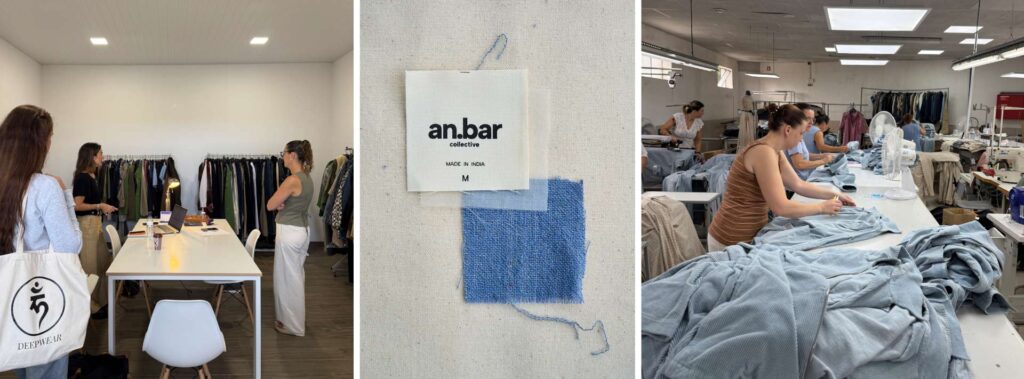
Why Manufacturing Data Is Becoming More Important
Fashion supply chains generate enormous amounts of information.
A single product may involve raw material suppliers, textile mills, dyeing or finishing facilities, component suppliers, garment manufacturers, subcontractors, logistics providers, and other production partners. Each stage can generate information about materials, processes, locations, quantities, certifications, production status, and environmental impacts.
For brands, the challenge is turning that information into something usable.
A supplier may provide a factory name and address. Another may provide a certification. A third may provide an emissions figure. Those pieces of information become considerably more useful when the brand knows what the information refers to, how it was collected, when it was recorded, and which stage of production it represents.
This is why data quality is becoming part of fashion manufacturing itself.
The industry’s move toward shared definitions reinforces this point. Textile Exchange says its updated Supply Chain Taxonomy is intended to create a common language, improve reporting consistency, clarify process ownership and environmental boundaries, and support more reliable data across the textile, clothing, leather, and footwear value chain.
The issue therefore extends beyond collecting more information. Brands also need information that can be interpreted consistently.
The Tier Definition Problem
One of the simplest examples is supply chain tiers.
A brand may ask a supplier to provide information about its Tier 1, Tier 2, or Tier 3 supply chain. That request assumes everyone involved uses the same definitions.
In practice, supply chains contain overlapping processes and different types of facilities. A garment manufacturer may purchase fabric from a mill, which may purchase yarn or fibers from another supplier. Dyeing, finishing, printing, washing, embroidery, or other processes may happen at separate facilities.
The distinction matters because the facility making the garment may not be the facility responsible for every process that affects the final product.
The 2026 Supply Chain Taxonomy specifically addresses this type of classification challenge. Textile Exchange notes that the revised framework responds to overlapping processes, undefined boundaries, and classification gaps, while providing a more detailed structure for common products and processes.
For brands, clearer definitions can make supplier questionnaires, reporting requirements, and internal supply-chain records easier to interpret.
They can also expose a practical question:
Does your supplier know which part of the supply chain its data actually describes?
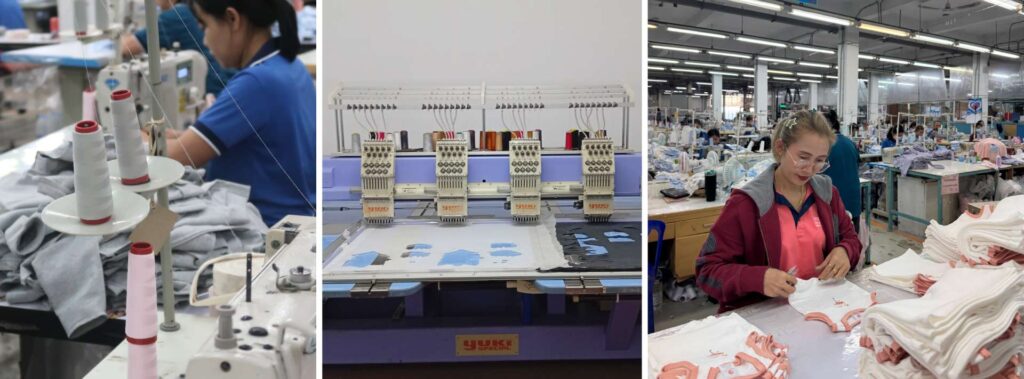
What Supplier Data Should Brands Request?
A useful supplier data checklist should go beyond a factory name, quotation, and production capacity.
Before production begins, brands can establish what information they need and how that information will be maintained.
1. Facility information
Brands may need to establish:
- Legal and trading name of the manufacturing entity
- Physical production address
- Type of facility
- Production activities performed on site
- Relevant certifications and documentation
- Production capacity where relevant
- Whether other facilities are involved
Facility information becomes particularly important when a supplier uses multiple production locations.
Deepwear’s Supplier Evaluation in Fashion Manufacturing: What Brands Should Actually Verify Before Production examines why supplier assessment needs to extend beyond quotations and samples. Our teams evaluate areas including production workflow, capacity planning, internal communication, quality assurance checkpoints, material sourcing capabilities, business registrations, certifications, and factory transparency.
Data collection works best when it reflects the same operational reality that brands are evaluating on the factory floor.
2. Material information
Material traceability can require several layers of information.
Depending on the product, brands may need to understand:
- Fiber or material composition
- Material supplier
- Country or region of origin where relevant
- Processing stages
- Certifications
- Recycled or preferred-material claims
- Dyeing and finishing processes
- Supporting documentation
This connects directly with the work involved in fabric sourcing. Deepwear’s The Essential Fabric Sourcing Checklist for Emerging Fashion Brands covers the importance of defining fiber type, fabric specifications, finishes, sustainability requirements, supplier type, certifications, testing, MOQ signals, and production readiness before bulk approval.
The broader lesson is straightforward: material data needs context from the beginning of product development.
3. Production-process information
A brand may also need to know which processes take place at which facilities.
Depending on the product, this could include:
- Cutting
- Sewing
- Dyeing
- Printing
- Embroidery
- Washing
- Finishing
- Assembly
- Packaging
This becomes particularly relevant when different processes are distributed across several suppliers.
A manufacturer reporting that it produces a garment tells a brand something important. It does not necessarily tell the brand where every production process occurred.
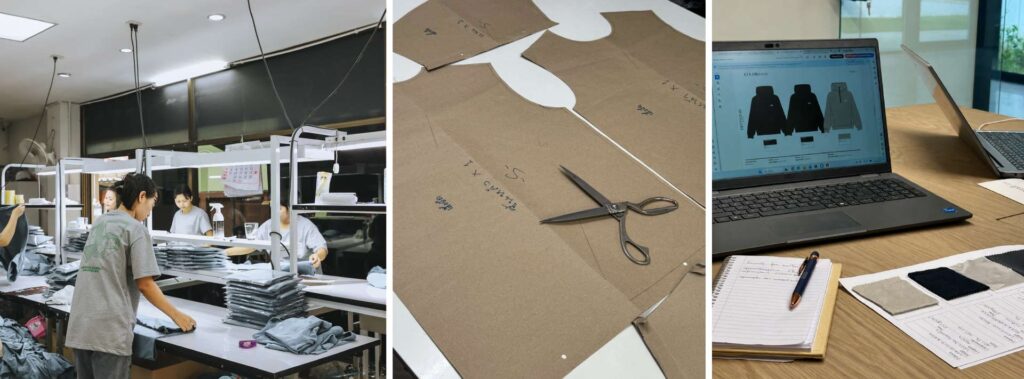
Subcontracting Can Change the Data
Subcontracting in fashion manufacturing creates another layer of complexity.
A supplier may be the brand’s primary manufacturing contact while certain processes are performed elsewhere. If those additional facilities are not recorded, information about production location, certifications, environmental performance, or compliance may describe only part of the actual supply chain.
This is one reason supplier documentation needs to be connected to actual production activity.
Deepwear recently examined this issue in Garment Certificate Fraud: Why Smart Brands Verify Suppliers Before Customs Does. Here we talk about cases in which documentation can point to one certified facility while production takes place elsewhere, highlighting why supplier and facility verification matter.
For supplier data, the practical question is therefore straightforward:
Does the information provided by the supplier represent the production that will actually take place?
Brands can establish this before production by asking whether any processes will be subcontracted, which facilities will be involved, and whether the relevant documentation applies to those facilities.
Environmental Data Needs Context
The same principle applies to supplier environmental data.
A manufacturer may provide a greenhouse-gas emissions figure, for example, but the number itself does not explain what it represents. It could cover one facility, several facilities, a particular production process, a reporting period, or an estimated allocation.
Two suppliers can therefore provide apparently similar figures that cannot be meaningfully compared without understanding the methodology and boundaries behind them.
This is particularly relevant as supply-chain data becomes part of broader environmental reporting. Textile Exchange’s updated Supply Chain Taxonomy addresses the classification of processes and supply-chain activities in part to support greater consistency in areas such as greenhouse-gas accounting.
For brands, environmental data requests should therefore establish more than the figure itself. They should clarify:
- What is being measured
- Which facility or process it covers
- What period the measurement represents
- How it was calculated or measured
- Whether the figure is measured directly or estimated
This gives the brand enough context to understand what the information actually represents.
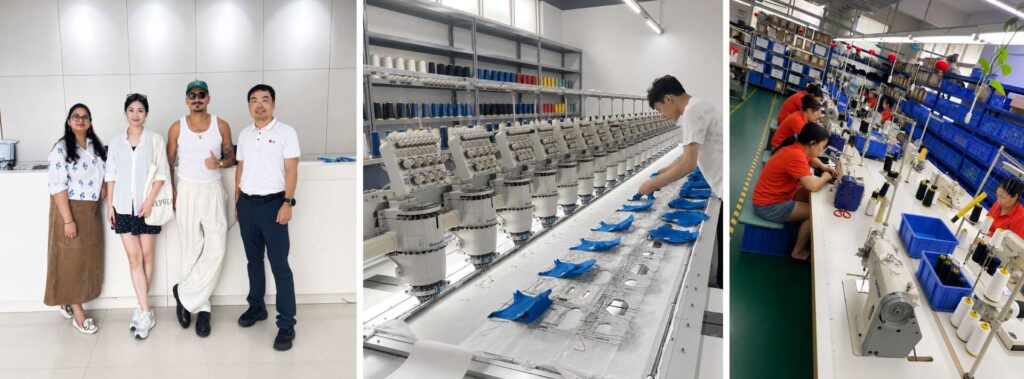
Data Availability Does Not Always Mean Data Consistency
A supplier can have extensive records and still provide information that is difficult to compare with data from another manufacturer.
Consider two suppliers reporting energy use. One provides annual facility-level consumption. Another reports energy per production unit based on an internal allocation. Both suppliers have data, but the figures have different boundaries and measurement bases.
This is the distinction between data availability and data consistency.
For brands working across several manufacturers, consistency can matter just as much as having the information in the first place. Establishing common expectations around terminology, reporting periods, units, facility boundaries, supporting documentation, and update frequency can reduce the work required to interpret information later.
The goal is not to create the same reporting system for every supplier. It is to establish enough structure that the information remains useful when it moves between a supplier, sourcing team, production team, and other stakeholders.
What Brands Should Establish Before Production
Supplier data requirements can be established alongside the technical pack, production specifications, quality requirements, and commercial terms. Rather than requesting every possible data point, brands can identify the information relevant to their product and manufacturing arrangement.
Key questions include:
- Which facilities and production processes are involved?
- What materials and certifications need to be documented?
- Will any production be subcontracted?
- How is relevant environmental or production data measured?
- Who is responsible for maintaining the information?
- How and when will the information be updated?
These are only a handful of the questions brands can consider when assessing supplier data readiness. The appropriate requirements will vary according to the product, manufacturing model, markets served, and reporting needs. This can also form part of supplier evaluation. Deepwear’s approach considers production workflow, capacity, communication, quality assurance, sourcing capabilities, certifications, and factory transparency, while supplier data practices can provide another indication of how a manufacturing partner manages information throughout production.
For a more detailed assessment of what to request from your manufacturing partners, contact Deepwear to discuss your specific sourcing and manufacturing requirements with our team.
What supply chain data should brands request from manufacturers?
Brands should establish their supplier data requirements before production begins and align them with their product, sourcing, and manufacturing processes. Depending on the product and supply chain, this may include information about manufacturing facilities, materials, production processes, subcontracting, certifications, and relevant environmental data. The exact requirements will vary, so brands should focus on collecting information that can be consistently maintained and connected to actual production activity.
What This Means for Brands
Supply chain data is becoming part of how brands manage manufacturing relationships, from initial supplier evaluation through production and reporting. The practical challenge is making sure the information collected corresponds to the facilities, materials, and processes actually involved.
That requires coordination between brands and suppliers from the beginning of a production relationship. When data requirements are established alongside sourcing and manufacturing requirements, brands can create a clearer basis for collecting, maintaining, and using supplier information as production develops.
Deepwear works directly with manufacturers and suppliers across our global network, with teams on the ground supporting brands through supplier evaluation, sourcing, manufacturing coordination, and production communication.
Need help defining what information to request from your suppliers? Book a consultation with the Deepwear team to discuss your sourcing structure, manufacturing requirements, and supplier data needs.