
Learn how brands reduce compliance risk through supplier verification, factory audits, and on-the-ground inspections before customs investigations expose hidden sourcing issues.
A supplier presents a complete set of compliance documents. The certifications appear valid. The factory passes a desktop review. Production begins.
Months later, a customs inquiry reveals that part of the order was manufactured in an unaudited facility. The certified factory that won the business was not the factory that produced the garments. Situations like this have become a growing concern across global apparel supply chains.
As brands expand sourcing networks across Asia, Europe, and emerging manufacturing markets, supplier compliance, country-of-origin verification, and supply chain transparency have become critical business priorities. Governments, retailers, and consumers expect brands to know exactly where products are made and under what conditions.
The challenge is that compliance documentation does not always tell the full story.
Many sourcing failures are not caused by forged certificates. In many cases, the documents themselves are legitimate. The problem lies in the information behind them. A certificate may belong to a different facility. Production may be transferred to an unaudited subcontractor. The declared manufacturing location may not match where the goods were actually produced.
As customs enforcement, trade compliance investigations, and origin verification requirements receive greater attention around the world, brands that rely solely on paperwork face significant exposure.
The most successful sourcing strategies combine document verification with direct supplier validation long before production begins.
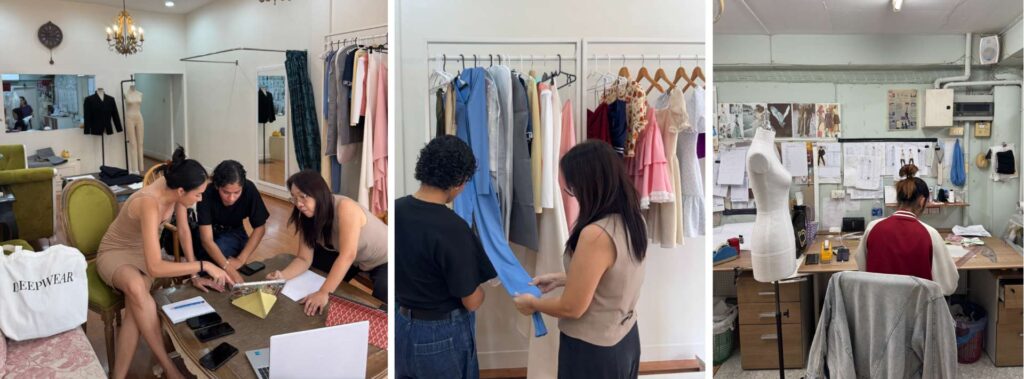
In this blog we cover:
- What garment certificate fraud actually looks like in modern apparel supply chains
- The most common forms of compliance deception, hidden subcontracting, and supplier misrepresentation
- Why customs enforcement, trade compliance, and country-of-origin verification are becoming stricter
- The limitations of paperwork-based audits and certification reviews
- How Deepwear verifies suppliers beyond compliance documents
The Growing Problem of Certificate Fraud in Global Apparel Supply Chains
Compliance certifications serve an important purpose within modern manufacturing. They help brands assess supplier capabilities, evaluate quality systems, and demonstrate adherence to regulatory and ethical standards.
However, the value of any certification depends on the accuracy of the information supporting it.
The term certificate fraud often creates the impression of counterfeit documents or fabricated approvals. While those risks exist, many compliance failures are more subtle.
A supplier may present a legitimate certificate that applies to a different facility. Production may be shifted to another location after approval. A factory may claim manufacturing capabilities that exceed its actual operational capacity.
These situations create a dangerous gap between documented compliance and operational reality.
A gap between documentation and reality can expose brands to:
- Shipment delays
- Customs investigations
- Regulatory penalties
- Reputational damage
- Supply chain disruptions
- Unexpected quality issues
Without proper verification, compliance documentation can create a false sense of security.
The Most Common Forms of Compliance Deception
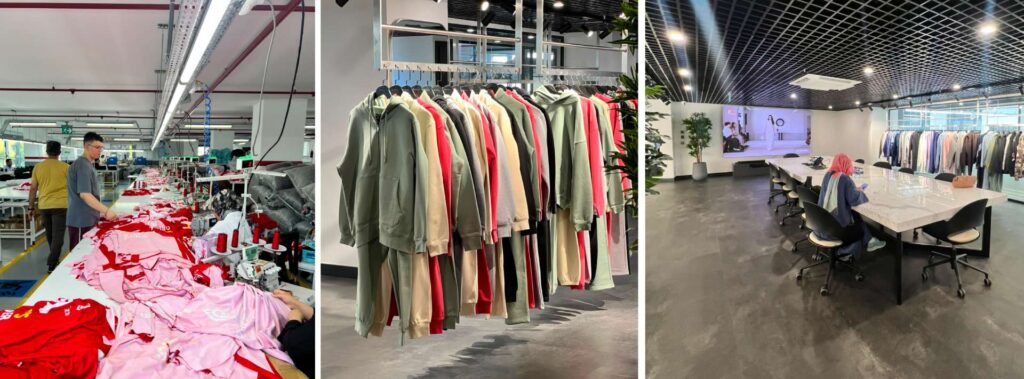
After years of working directly with factories across multiple sourcing regions, Deepwear has learned that compliance risks rarely appear the way brands expect.
Most buyers imagine certificate fraud as a factory presenting completely fake documents. While that does happen, the reality is often far more complicated.
In many cases, the paperwork itself is legitimate. The problem is that the operational reality behind the paperwork tells a different story.
These are some of the most common compliance issues our teams encounter when evaluating suppliers and manufacturing facilities.
1. Certifications That Don’t Belong to the Production Facility
One of the most common issues we encounter involves certifications that are technically valid but do not apply to the factory producing the order.
During supplier evaluations, we have seen factories present certifications belonging to:
- Parent companies
- Sister companies
- Different manufacturing sites
- Facilities operating under the same ownership group
On paper, everything appears compliant. The certificate exists. The audit was completed. The approval is legitimate.
The problem is that the certified facility and the production facility are not always the same thing.
This is precisely why Deepwear verifies factory locations, ownership structures, and operational facilities rather than accepting certifications at face value.
2. Hidden Subcontracting After Supplier Approval
Hidden subcontracting remains one of the most persistent risks in garment manufacturing.
A factory may successfully pass audits, compliance reviews, and buyer approval processes. Once production begins, however, portions of the order may be transferred elsewhere without the brand’s knowledge.
Over the years, our teams have seen subcontracting occur for many reasons:
- Capacity shortages
- Delivery pressure
- Seasonal demand spikes
- Production bottlenecks
- Cost-saving measures
The challenge is that brands often have no visibility into these decisions.
When production moves to an undisclosed facility, the risks extend beyond quality concerns. Brands may lose visibility into:
- Labor compliance
- Product traceability
- Factory conditions
- Country-of-origin declarations
- Customs documentation
This is one of the primary reasons Deepwear maintains local oversight throughout production rather than relying solely on pre-production approvals.
3. Manufacturing Locations That Don’t Match Supplier Claims
Country of origin has become one of the most heavily scrutinized areas of global trade.
Customs authorities want to know where products were actually manufactured, not simply where documentation says they were manufactured.
During supplier assessments, we occasionally encounter situations where manufacturing activities, assembly processes, or production responsibilities are represented differently from how they occur in practice.
These discrepancies can affect:
- Country-of-origin declarations
- Trade agreement eligibility
- Import duties
- Customs compliance
- Supply chain transparency
As governments place greater emphasis on country-of-origin verification, trade compliance, and manufacturing traceability, these issues carry greater consequences than ever before.
4. Certifications That No Longer Reflect Reality
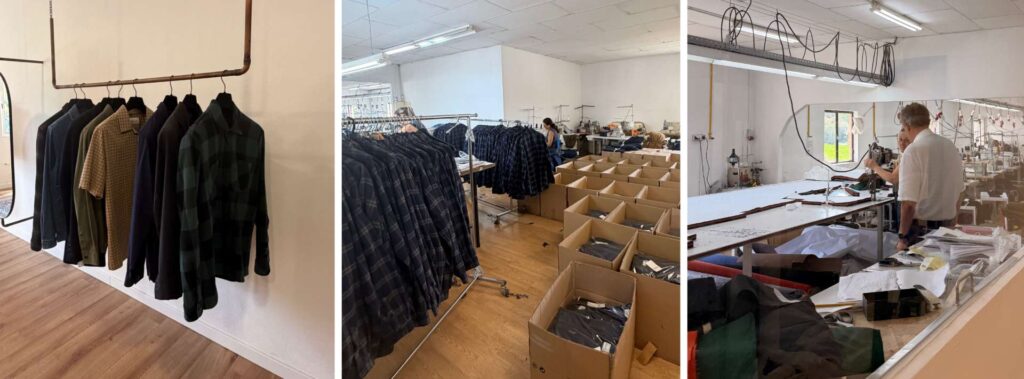
A certification is only as reliable as the conditions it represents. One challenge many brands overlook is that factories are constantly evolving. Management teams change, production capacity expands, subcontractors are added or removed, facilities relocate, equipment is upgraded, and workforce structures shift over time.
However, certifications and audit reports often capture only a snapshot of a factory at a specific moment. In many cases, the documentation remains unchanged until the next formal audit or review cycle, even though significant operational changes may have occurred in the meantime.
This creates a gap between what the paperwork says and what is happening on the factory floor today. During supplier assessments, Deepwear regularly verifies critical details such as:
- Certificate validity dates
- Facility addresses
- Factory ownership information
- Product scope coverage
- Operational capabilities
What appeared compliant during a previous audit may no longer accurately reflect current manufacturing conditions.
For this reason, Deepwear views certifications as an important starting point, not a final verification step. A certificate can tell you what a factory reported during an audit, but only on-the-ground verification can tell you what is happening inside the factory today.
Why Customs Enforcement Is Becoming More Aggressive
For many years, customs authorities primarily relied on documentation submitted by importers and exporters.
Today, that approach is changing.
Customs authorities are paying closer attention to:
- Country-of-origin verification
- Tariff evasion
- Trade compliance
- Supply chain transparency
- Customs fraud investigations
- Manufacturing traceability
Recent enforcement actions involving origin fraud, misrepresented manufacturing locations, and duty avoidance schemes have highlighted the financial consequences of inaccurate declarations.
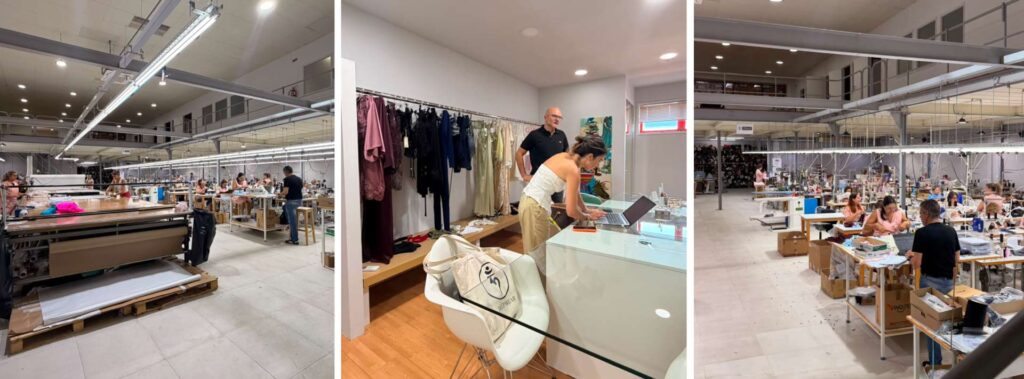
Authorities are becoming more interested in the reality behind the documents.
They want answers to questions such as:
- Where was the product actually manufactured?
- Which facility handled production?
- Was subcontracting disclosed?
- Do supplier claims align with operational reality?
What this means for brands
A compliance issue can lead to:
- Shipment holds
- Customs delays
- Financial penalties
- Additional audits
- Reputational damage
- Supply chain disruption
The same questions customs officials ask are the questions brands should ask before production begins.
Deepwear helps brands move beyond compliance paperwork by validating the factories, production locations, and operational realities behind supplier claims. Speak with our team for more information.
How does Deepwear help brands reduce compliance risk?
Deepwear combines supplier sourcing with factory verification, local oversight, production monitoring, quality control support, and on-the-ground visibility across key manufacturing regions. Rather than relying solely on paperwork, we help brands verify the factories, facilities, and production processes behind supplier claims.
How Deepwear Verifies Suppliers Beyond the Paperwork
Certificates, audit reports, and compliance records are valuable, but they are only one part of the verification process. Our approach combines document validation with local factory visibility and operational oversight.
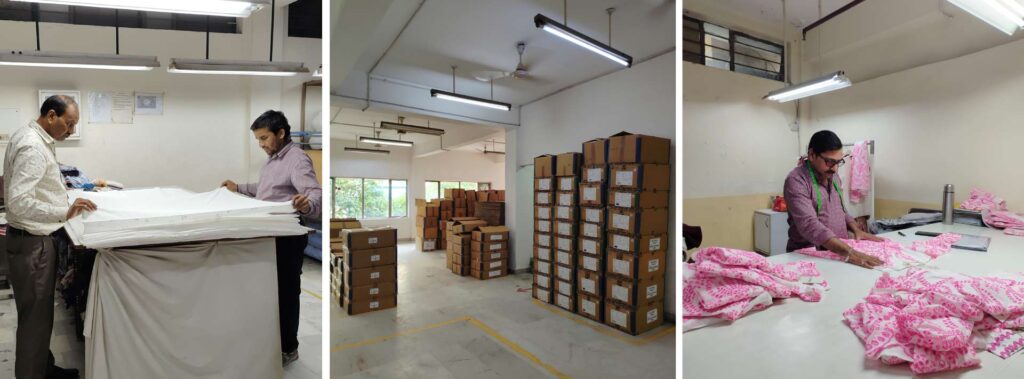
Our Supplier Verification Process Includes:
1. Factory Identity Verification
We verify:
- Business registration
- Legal operating status
- Factory ownership
- Manufacturing location
This helps ensure the facility behind the certification is the facility that will actually produce the order.
2. Manufacturing Capability Assessments
We evaluate:
- Production capacity
- Workforce size
- Equipment and machinery
- Workflow organization
- Production readiness
This helps brands determine whether supplier claims align with manufacturing reality.
3. Production Location Validation
One of the most common compliance risks is undisclosed subcontracting.
Our teams help confirm:
- Where production is taking place
- Which facilities are involved
- Whether approved manufacturing locations are being used
4. Ongoing Production Visibility
Verification should not stop after supplier approval.
Depending on project requirements, Deepwear can provide:
- Factory visits
- Inline inspections
- Production monitoring
- Quality control oversight
- Local supplier coordination
This on-the-ground visibility helps brands identify issues early, when corrective action is still possible. For us, compliance is not simply about reviewing documents. It is about verifying that supplier claims match operational reality.
Ready to Verify Beyond the Paperwork?
Deepwear helps brands reduce sourcing risk through supplier verification, factory assessments, local oversight, production monitoring, and on-the-ground support across major manufacturing regions.
If you’re evaluating new suppliers or strengthening an existing supply chain, contact our team to discuss how independent verification can help protect your brand before compliance issues become costly problems.