
Explore how fashion raw materials affect sourcing, production costs, lead times, material substitutions, supplier diversification, and sustainable manufacturing.
In fashion, a material problem rarely stays confined to the material itself. When a fiber becomes harder to source, a fabric supplier faces capacity constraints, or the price of a material changes significantly, the effects can move quickly downstream. Sampling may need to change. Production timelines can shift. Alternative suppliers may need to be found. In some cases, an apparently simple fabric substitution can require a new round of approvals.
The scale of this challenge is becoming clearer. The Apparel Impact Institute (AII) reported in September 2026 that fashion industry emissions increased 6.3% from 2023 to 2024, with growing fiber use, particularly petroleum-based polyester, identified as a major driver.
At the same time, environmental pressures affecting agricultural and natural resources can create additional uncertainty around the raw materials fashion depends on.
For brands, this makes material sourcing part of manufacturing planning rather than a decision that can be left until immediately before production.
In this blog we cover:
- How fashion raw materials affect manufacturing and production planning
- Why material substitutions can change sampling, costs, and lead times
- How supplier diversification can strengthen sourcing resilience
- Why sustainability targets need to work at manufacturing scale
- How Deepwear’s on-the-ground teams support sourcing and manufacturing decisions
1. Raw Material Availability Is a Manufacturing Variable
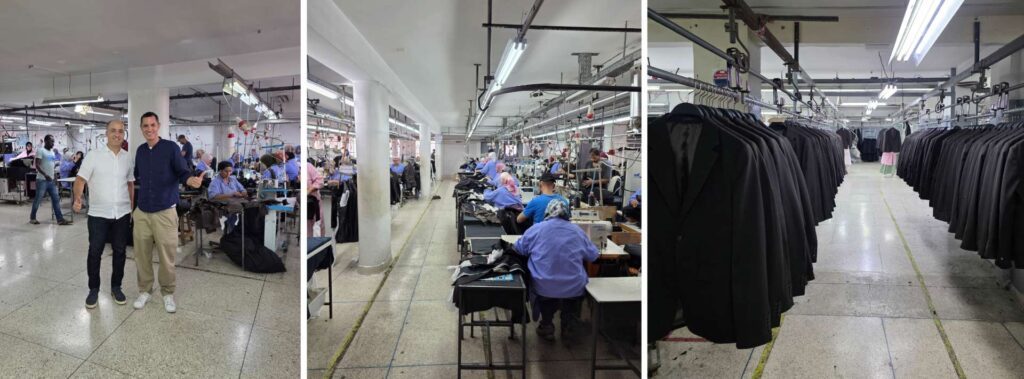
A garment manufacturer can have the machinery, workforce, and capacity to produce an order, but production still depends on receiving the right materials at the right time.
That includes more than the fabric itself. A typical fashion supply chain can involve:
Fiber → Yarn → Fabric → Dyeing and Finishing → Cutting → Sewing → Finished Garment
Each stage has its own suppliers, processes, capacity constraints, and lead times.
This is why textile sourcing can have a direct effect on apparel production. A fabric may technically exist, but that does not necessarily mean it is available in the required composition, weight, color, finish, quantity, or timeframe.
Price is another variable. Material costs can change because of raw-material availability, energy costs, processing requirements, transportation, or shifts in supplier capacity. For a brand developing a product around a particular costing target, a material change can therefore affect the economics of the entire garment.
Our guide, The Essential Fabric Sourcing Checklist for Emerging Fashion Brands, looks at this earlier stage in detail, including how fabric specifications, supplier selection, MOQs, testing, pricing, and lead times influence production decisions.
The important distinction is that material risk does not always mean a complete shortage. It can mean inconsistent availability, longer lead times, limited quantities, higher costs, or fewer suppliers capable of meeting a particular specification.
Need help sourcing the right materials for your collection? Our team can help you explore fabric options, supplier capabilities, specifications, and production requirements before you move into bulk manufacturing. Talk to Deepwear about your material sourcing needs.
2. When the Original Material Is No Longer Available
One of the most practical consequences of material disruption is substitution.
A brand may have approved a particular fabric during development, only to discover later that the supplier cannot provide enough material, the lead time no longer fits the launch schedule, or the cost has changed substantially.
Finding another fabric that looks similar is not necessarily enough.
Two fabrics can share the same fiber composition and GSM while behaving differently in terms of drape, hand feel, stretch, shrinkage, durability, or finishing. The intended use of the garment also matters. A fabric suitable for a lightweight fashion top may not perform the same way in a product exposed to repeated washing, friction, moisture, or heavier loads.
Our guide on How to Choose the Right Fabric Weave During Product Development explores why material selection needs to consider the garment’s intended use and performance rather than appearance alone.
A replacement material can also trigger another part of the development process.
New material → new swatch → testing → approval → revised sample → production
For example, a change in fabric color or composition may require additional swatches or lab dips before bulk production. Physical references are particularly important when the replacement needs to match an already approved product.
Our Trim Card vs Lab Dip vs Swatch guide explains how these physical approval tools help brands establish clear references before bulk production.This is where a material decision can become a manufacturing decision.
3. Material Problems Can Become Production Delays
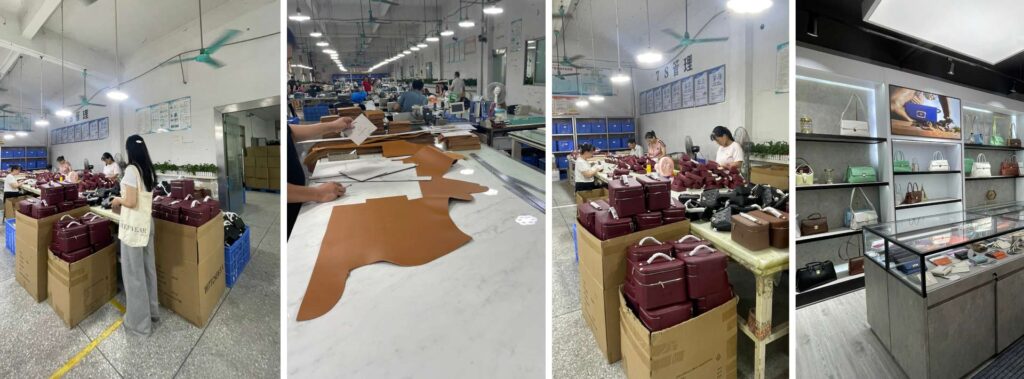
Production schedules are often discussed in terms of how long a factory needs to make a garment. In reality, fashion production lead times depend on everything that has to happen before the sewing line can begin.
Consider a material that becomes unavailable after sampling.
The brand may need to:
- Identify another supplier
- Request alternative materials
- Compare specifications
- Order samples
- Conduct testing
- Approve the replacement
- Adjust costing
- Revise production planning
- Reconfirm delivery dates
Every additional step can affect the timeline.
This is why brands need to discuss material availability while developing the product rather than assuming that sourcing and manufacturing are completely separate processes.
Our existing guide, Avoiding Supply Chain Disruptions in Fashion Production, examines how material costs, logistics, supplier networks, and production locations can contribute to wider supply-chain disruption.
There is also a broader point here: diversifying garment factories does not automatically diversify the material supply chain.
Two factories operating in different countries could still depend on the same textile mill, fiber supplier, or regional material ecosystem. Understanding those upstream relationships can therefore be just as important as understanding where the finished garment will be manufactured.
Facing material delays or looking for alternative suppliers? Our teams can help you investigate sourcing options and manufacturing capabilities across our network, so material decisions can be considered alongside production requirements and timelines. Start a conversation with our team.
4. Building Resilience Beyond the Factory
This is where supplier diversification becomes relevant.
A resilient fashion supply chain is not necessarily one with the largest number of suppliers. It is one where brands understand their dependencies and have realistic alternatives when circumstances change.
That can mean evaluating:
- Multiple textile suppliers
- Different sourcing regions
- Alternative material specifications
- Regional textile capabilities
- Supplier capacity
- Lead times
- Production requirements
- Availability at the required volume
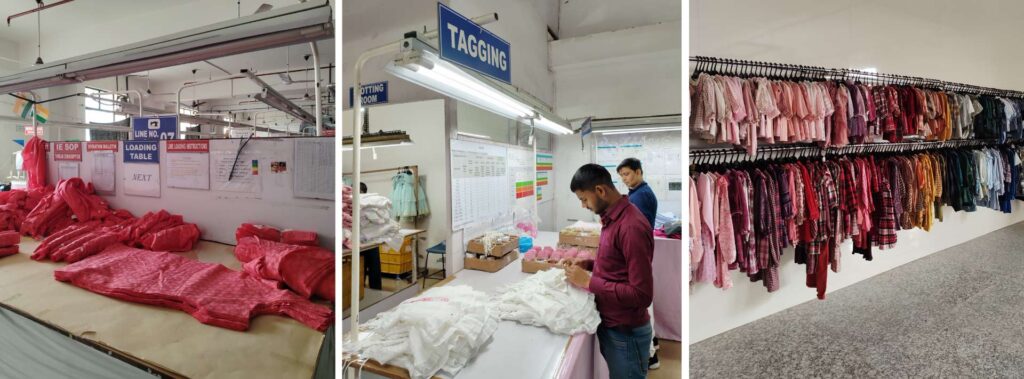
Different manufacturing regions have different strengths because their textile and industrial ecosystems have developed differently. China, India, Vietnam, Türkiye, Portugal, Thailand, and other sourcing markets can offer different combinations of materials, manufacturing capabilities, infrastructure, and proximity to major consumer markets.
Our Global Manufacturing Reset guide looks at this broader shift toward diversified manufacturing networks and explains why textile ecosystems themselves influence sourcing decisions.
At Deepwear, this regional understanding is supported by our teams on the ground in the countries where we have offices. Our local teams work directly within their respective sourcing and manufacturing markets, helping us stay close to supplier capabilities, production conditions, material options, and developments that may not be visible through online sourcing alone.
That local presence matters when a brand needs to investigate an alternative supplier, compare available materials, understand a regional manufacturing ecosystem, or assess whether a proposed solution is realistic for production.
Our supplier evaluation approach also looks beyond a factory’s sample output. We assess areas including material sourcing capabilities, workflow, capacity planning, communication, and quality assurance as part of understanding whether a supplier is equipped for the requirements of a particular production project.
5. Sustainability Has to Work at Manufacturing Scale
The sustainability conversation adds another layer to the raw-material problem.
The Apparel Impact Institute’s recent work emphasizes moving from broad commitments toward facility-level implementation, including projects involving energy efficiency, renewable electricity, thermal energy, and other manufacturing interventions. AII also highlights the importance of financing, supplier engagement, measurement, and scaling proven solutions rather than relying only on isolated pilots.
For fashion brands, this reinforces an important manufacturing principle: a material or sustainability target needs a production system capable of delivering it.
A lower-impact material still needs to be available in commercially relevant quantities. It needs appropriate processing capabilities. Its specifications need to remain consistent. Manufacturers need to be able to work with it. And the economics need to make sense at the scale the product requires.
The same applies to manufacturing decarbonization. A target may exist at brand level, but implementation happens through actual facilities, equipment, energy systems, suppliers, and investments.
This is why the discussion around sustainable fashion manufacturing needs to move beyond the label attached to a material and toward what can actually be sourced, processed, manufactured, measured, and scaled.
Our Textile vs Apparel guide explores this distinction in more detail, including why textile production and garment manufacturing represent different stages of the supply chain and why brands need to understand how they interact.
How do raw materials affect fashion manufacturing?
Raw materials affect fashion manufacturing through availability, cost, quality, lead times, and production requirements. If a required fabric or fiber becomes unavailable or more expensive, brands may need to find alternative suppliers or materials, which can lead to additional sampling, testing, approvals, and changes to production schedules. Considering material sourcing during product development can help brands identify potential alternatives before these issues affect bulk manufacturing.
Building a More Resilient Material Strategy
The raw-material question facing fashion is becoming more operational.
Before approving a material, brands need to consider more than appearance and cost. They should also ask:
- Is the material commercially available?
- Can the supplier provide the required volume?
- What is the realistic lead time?
- Are alternative suppliers available?
- Would a substitution require another sampling or testing cycle?
- Can the manufacturing partner process the material consistently?
- What happens if availability changes before bulk production?
- Can the material and its manufacturing requirements scale?
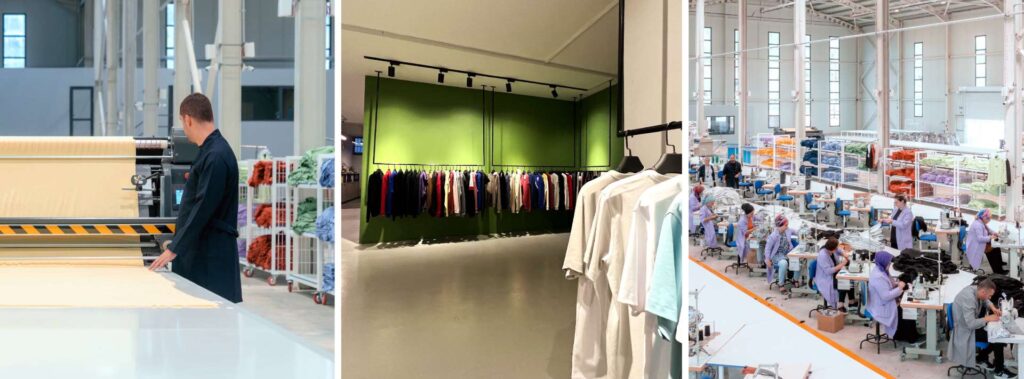
These questions connect fashion raw materials directly to product development, supplier selection, production planning, and manufacturing resilience.
At Deepwear, our role is to connect these decisions across the sourcing and manufacturing process. With local teams working on the ground across our office network, we can help brands investigate supplier capabilities, compare sourcing options, coordinate material development, and navigate the practical realities of different manufacturing markets.
The future of material sourcing is therefore not only about finding a better material. It is about understanding whether that material can be sourced, processed, and manufactured consistently at the scale the product requires.
Planning a collection and need to evaluate materials, suppliers, and manufacturing options together? Talk to our team at Deepwear about your product and sourcing requirements.