
Learn how Deepwear evaluates fashion suppliers through on-the-ground factory verification, quality control, workflow assessment, sourcing analysis, and supplier risk management.
Selecting a fashion supplier has never been just about pricing. Long-term manufacturing performance depends on factors such as production consistency, communication, sourcing capability, workflow organization, and quality control standards.
This blog draws from what Deepwear’s teams have observed directly while evaluating both long-term supplier partners and new factories seeking to work with us. Our supplier evaluation process focuses on how factories operate across sourcing, development, production management, and quality control, not simply how they present themselves through samples, presentations, or online communication.
In this blog we cover:
- How Deepwear evaluates fashion suppliers and garment manufacturers on the ground
- The operational factors that affect long-term manufacturing reliability
- Why quality control, workflow organization, and communication systems matter
- Common supplier red flags brands overlook during sourcing
- Why category specialization affects production quality and efficiency
- How factory verification helps reduce sourcing and production risks
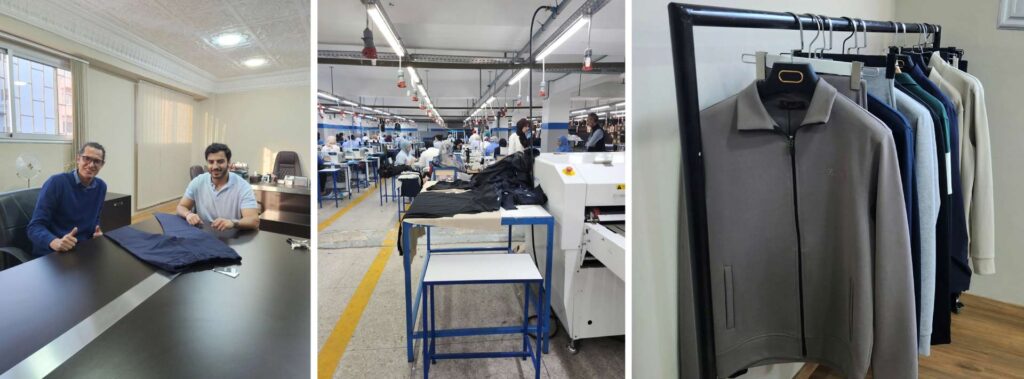
Why Supplier Evaluation Matters in Fashion Manufacturing
Many emerging brands place significant focus on quotations and sampling during early sourcing stages. However, consistent manufacturing performance depends on far more than sample approval alone. Communication systems, sourcing coordination, production planning, quality control procedures, and category expertise all influence whether a supplier can reliably support a brand over time. This is one reason many growing labels eventually reevaluate their sourcing structure after encountering preventable delays, communication issues, or production inconsistencies. As we discussed in Why Brands Switch to Deepwear: Insights from Real Industry Pain Points, supplier problems often develop gradually through operational gaps rather than from a single isolated issue.
At Deepwear, our supplier qualification process is built around five core criteria:
- Price
- Quality
- Service
- Communication
- Timing
These areas help us assess how suppliers perform operationally throughout development and production, beyond initial samples or factory presentations.
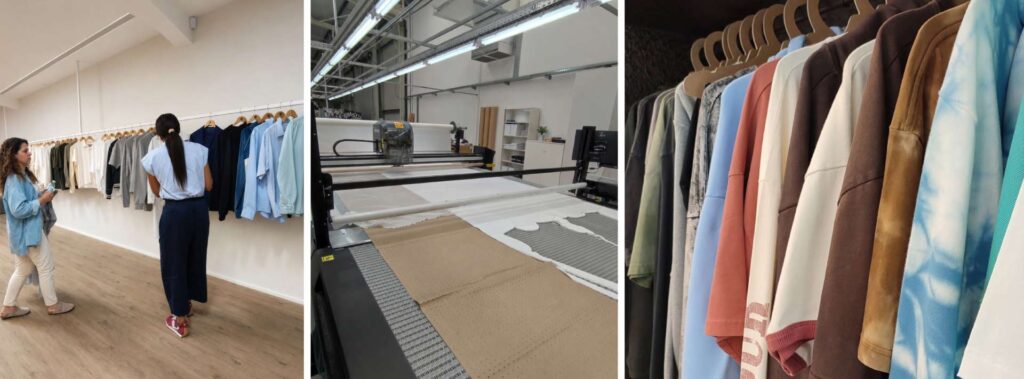
Why Deepwear Relies on Experience and Boots on the Ground
Supplier evaluation goes far beyond reviewing quotations, samples, or factory presentations. Many of the factors that determine long-term manufacturing success can only be assessed through direct experience and regular factory engagement.
At Deepwear, our approach is built around four key principles:
- Direct Factory Verification
We regularly visit factories to assess how they operate in real production environments. This allows us to evaluate production workflows, quality control systems, sourcing capabilities, and operational standards beyond what can be shown in presentations or communicated through emails. - Long-Term Manufacturing Relationships
Our supplier network has been developed through years of working with manufacturers across different product categories and production scales. These relationships provide valuable insight into a factory’s consistency, reliability, and ability to perform over time. - Continuous Performance Monitoring
Supplier evaluation is not a one-time exercise. Factory performance can change as management structures evolve, production volumes increase, or market conditions shift. Ongoing engagement helps us ensure that supplier recommendations are based on current performance rather than historical reputation. - Support for Both Emerging and Established Brands
For emerging brands, this approach provides access to vetted manufacturing partners without the need to build an internal sourcing team. For established brands, it offers additional supplier verification, operational oversight, and support when entering new product categories or expanding production capacity.
By combining on-the-ground factory visits, long-term industry relationships, and continuous supplier evaluation, Deepwear helps brands make sourcing decisions based on real operational performance rather than assumptions, marketing materials, or sample results alone.
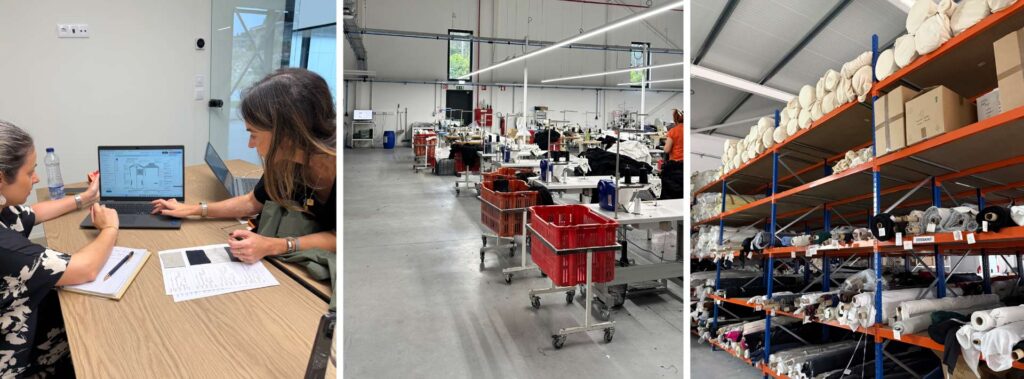
Operational Reliability Starts With Consistency
One of the first indicators of a reliable garment manufacturer is consistency across core operational areas. Factory size alone does not guarantee strong performance. Smaller suppliers with organized systems and responsive management often outperform larger factories with weak coordination structures.
Key indicators include:
- Ability to consistently meet lead times
- Stable quality control systems
- Clear and proactive communication
- Structured production planning
- Professional service throughout development and production
Reliable suppliers typically rely on repeatable systems rather than reactive problem-solving.
Operational consistency also becomes increasingly important as brands scale collections or diversify categories. In Avoiding Supply Chain Disruptions in Fashion Production, we discuss how weak supplier coordination often creates downstream production bottlenecks that many brands fail to anticipate during early sourcing stages.
Looking to assess suppliers more thoroughly before placing orders? Deepwear helps brands verify factory capabilities, production systems, and operational reliability directly on the ground. Start a conversation with our team.
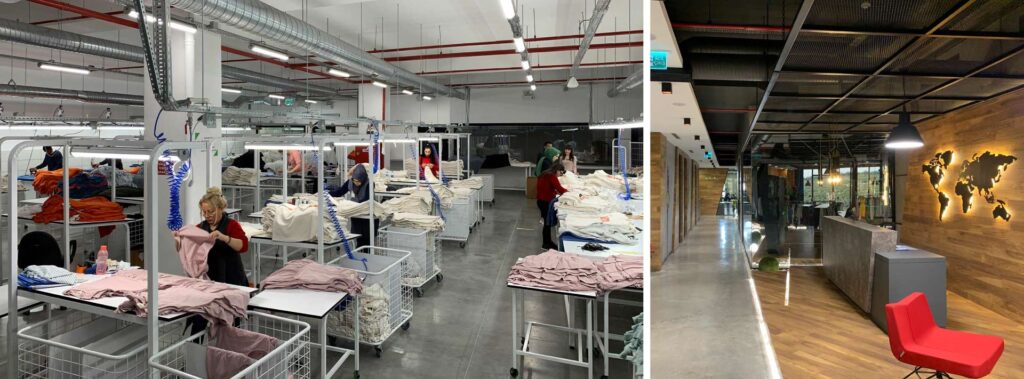
Evaluating Factory Workflow and Internal Organization
Factory efficiency is not simply about production speed. It is also about accountability, transparency, and process management across departments.
During our supplier evaluation process, Deepwear assesses:
- Production workflow organization
- Capacity planning systems
- Internal communication structures
- Quality assurance checkpoints
- Material sourcing capabilities
- Product development support
- Business registrations and certifications
- Transparency during factory visits
Well-organized factories usually maintain clearer timelines, stronger production accuracy, and better issue resolution throughout manufacturing.
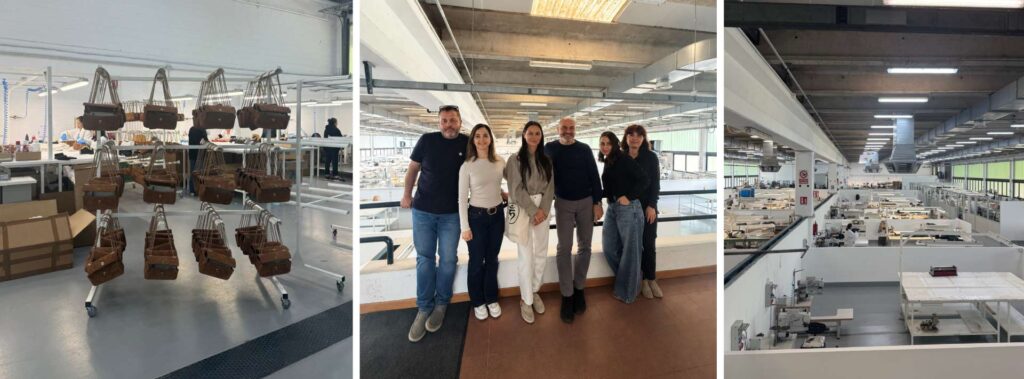
The importance of operational transparency becomes even more critical when brands are sourcing internationally without local oversight. In our blog, Deepwear’s “Feet on the Ground”: How Local Merchandisers Prevent QC Issues in Bursa’s Textile Hub, which examines how direct factory verification helps reduce communication gaps and production risks.
Why Material Management Separates Strong Suppliers From Inconsistent Ones
Material handling is often one of the clearest indicators of operational maturity. Weak inventory systems and poor sourcing coordination frequently lead to delays, quality inconsistencies, and production errors.
Strong suppliers typically maintain:
- Organized inventory management systems
- Fabric and trim traceability
- Structured procurement processes
- Dedicated QC procedures
- Accurate production scheduling
- Clear coordination between merchandising and production teams
Factories that lack structure in these areas often struggle to maintain consistency at scale.
Material sourcing itself also requires careful verification, particularly for emerging brands unfamiliar with production workflows. In The Essential Fabric Sourcing Checklist for Emerging Fashion Brands, we outline how sourcing decisions directly affect pricing, lead times, quality stability, and production scalability.
Finishing Quality Reflects Overall Manufacturing Standards
Finishing details often reveal more about factory standards than initial samples alone. Consistency in execution is usually tied directly to internal quality management systems.
During factory assessments, Deepwear evaluates:
- Stitch consistency
- Measurement accuracy
- Seam and thread finishing
- Print and embroidery quality
- Branding and label placement
- Packaging presentation
- Consistency between approved samples and bulk production
These details provide insight into whether a supplier can reliably meet brand expectations across larger production runs.
Many emerging brands also underestimate the importance of pre-production approval systems during this stage. Approval processes play a critical role in reducing production discrepancies before manufacturing begins. Supplier evaluation also includes reviewing how factories approach inspection and testing procedures throughout production. We examine this further in Product Inspection vs Product Testing: Deepwear Guide, particularly regarding how verification systems affect long-term production reliability.
Why Category Specialization Matters
Different product categories require different technical capabilities, sourcing networks, and manufacturing expertise. A supplier experienced in knitwear may not be suitable for technical activewear, tailored garments, or embellished resortwear.
Category specialization affects:
- Fabric sourcing access
- Product development efficiency
- Technical construction quality
- Machinery suitability
- Production lead times
- Pricing accuracy
This distinction is especially important because many emerging brands misunderstand the separation between textile production, garment manufacturing, and product development responsibilities.
Category expertise often has a direct impact on production consistency, scalability, and long-term supplier reliability.
Major Supplier Red Flags Brands Often Miss
Many sourcing risks are difficult to identify remotely. Brands relying only on online communication or initial sampling frequently miss operational issues that become visible only during direct factory verification.
Common supplier red flags include:
- Limited factory transparency
- Missing registrations or certifications
- Weak communication responsiveness
- Unclear quality control procedures
- Unrealistic pricing structures
- Overstated production capacity
- Heavy dependence on intermediaries
- Lack of in-house development support
Without local representation, it becomes significantly harder to verify whether factory capabilities match what is presented during early sourcing discussions.
This is one reason why supplier verification should never rely solely on marketing materials or sample approvals. Long-term manufacturing performance depends on operational systems, transparency, and production management capabilities that are often difficult to assess remotely.
How does Deepwear evaluate suppliers?
Deepwear evaluates suppliers based on five core criteria: Price, Quality, Service, Communication, and Timing, supported by direct factory verification, workflow assessments, sourcing analysis, and operational reviews conducted on the ground.
Building Stronger Supplier Partnerships
Reliable manufacturing partnerships are usually the result of strong operational alignment rather than short-term cost advantages. Factories that communicate clearly, manage production systematically, maintain stable sourcing processes, and operate transparently tend to perform more consistently over time.
This is also why supplier evaluation should be viewed as an ongoing operational process rather than a one-time approval stage. A factory may produce a strong sample, but long-term production performance depends on how effectively that supplier manages timelines, quality standards, sourcing coordination, development support, and production challenges at scale.
If you are currently reviewing suppliers, planning a new collection, or facing sourcing challenges with existing production, contact the Deepwear team to discuss how we can support your manufacturing and supplier evaluation process.