
Changing weather patterns are disrupting seasonal fashion demand. Explore how brands can adapt collection planning, fabric sourcing, and apparel manufacturing with Deepwear.
Fashion collections are traditionally planned around predictable seasonal cycles. Autumn and winter ranges are developed months before temperatures begin to fall, while spring and summer collections are designed around anticipated warmer conditions. This system depends on a relatively stable relationship between the calendar, the weather, and consumer demand.
That relationship is becoming harder to rely on.
At Paris Fashion Week in October 2026, temperatures reached 28°C, highlighting a challenge for designers presenting collections intended for cooler months. Warmer autumn conditions can delay demand for coats and heavier garments, leaving retailers with products that arrive before customers are ready to buy them.
For fashion brands, the consequences extend beyond design. Seasonal uncertainty affects fabric sourcing, product development, inventory planning, and apparel manufacturing schedules. Production decisions made months in advance can become commercial risks when actual weather conditions differ from forecasts.
Deepwear founder Thoray d’Haese Sacoor and our team work across sourcing and manufacturing markets, connecting brands with suppliers and production partners. This gives us a practical perspective on why seasonal planning needs to account for material availability, manufacturing lead times, and regional differences.
The traditional fashion calendar is unlikely to disappear. However, brands have good reason to reconsider how rigidly they organize their collections around it.
In this blog we cover:
- Why changing weather patterns are challenging traditional seasonal fashion calendars
- How seasonal mismatches affect sourcing, manufacturing, and inventory
- Which sourcing markets offer relevant textile and apparel manufacturing capabilities
- How brands can build more responsive production plans
- How Deepwear can support sourcing and manufacturing decisions
Why the Traditional Fashion Calendar Creates Production Risks
Fashion production operates on a longer timeline than consumer purchasing decisions. A brand may finalize a collection, source materials, approve samples, and place bulk orders months before the products reach retail shelves.
This process creates a timing gap. A winter collection can be completed according to schedule while the weather remains too warm for customers to purchase heavier garments. Similarly, an unexpected cold spell can create demand for products that retailers have not stocked in sufficient quantities.
Research from the fashion industry has identified unpredictable seasonality and above-average temperatures as challenges for winterwear demand. Long manufacturing and sourcing cycles make it difficult for brands to respond quickly when consumer needs shift.
The problem is particularly relevant to products with strong seasonal associations:
- Heavy coats and insulated outerwear
- Thick knitwear and wool garments
- Lightweight summer dresses and resortwear
- Rainwear and transitional jackets
- Seasonal accessories and footwear
A product can remain commercially relevant while its expected selling period changes. The challenge is having the right inventory available when customers are prepared to purchase it.
The Cost of Getting Seasonal Production Timing Wrong
1. Excess Inventory and Discounting
When seasonal products arrive too early or remain unsuitable for current conditions, retailers may need to reduce prices to move stock. This affects margins and can create additional pressure on inventory management.
Unsold seasonal inventory also ties up working capital that could otherwise support new product development or replenishment.
Our blog, How New Unsold Inventory Rules Are Changing Fashion Manufacturing, explores the wider implications of inventory decisions and the growing need to consider production volumes more carefully.
Need a more reliable approach to fabric sourcing? Deepwear can help your team explore suitable materials, assess supplier availability, and coordinate sourcing around your collection requirements. Start a conversation with our team.
2. Material Availability and Procurement Delays
Seasonal changes can also affect material planning. Brands that commit to specific fabrics well in advance may have limited room to adjust when product requirements change.
For example, a collection initially planned around heavyweight wool may need more lightweight layering options if autumn temperatures remain high. Changing the material after sampling can require new supplier discussions, revised specifications, additional testing, and another round of approvals.
As discussed in Beyond Fabric Sourcing: How Material Availability Affects Fashion Manufacturing, fabric availability is closely connected to production timing. Material selection needs to account for availability, consistency, and the time required to prepare fabrics for manufacturing.
3. Production Schedules and Missed Selling Windows
Manufacturing lead times make last-minute changes difficult. Fabric procurement, sampling, production planning, quality assurance, and shipping all require time.
A brand that reacts to changing weather only after a collection reaches the market may find that its manufacturing schedule cannot accommodate the new demand quickly enough.
This is particularly challenging for brands sourcing across several countries or working with specialized materials that require longer development periods.
How Brands Can Build More Responsive Seasonal Production Plans
1. Develop Collections Around More Than One Temperature Range
Seasonal collections do not need to depend entirely on heavy winterwear or lightweight summer products.
Brands can develop transitional clothing that remains relevant across changing conditions. Lightweight jackets, removable linings, breathable layering pieces, versatile knitwear, and adjustable garments can offer more flexibility in how consumers wear a collection.
This approach also gives product developers more options when planning material weights and garment construction.
2. Prioritize Versatile Fabrics
Fabric selection should reflect the conditions in which a garment will be worn, alongside its appearance, durability, and price.
Cotton blends, lightweight wool, breathable knits, technical fabrics, and suitable woven materials can support products designed for changing temperatures. The appropriate choice depends on the garment’s intended use and required performance.
During product development, brands should assess:
- Fabric weight and construction
- Breathability and thermal properties
- Drape, stretch, and recovery
- Shrinkage and colorfastness
- Availability and consistency between production batches
- Suitability for the intended garment construction
A fabric that performs well in a sample may still present procurement challenges when a brand moves into bulk production. Material availability and repeatability should therefore be discussed before finalizing the collection.
Our Essential Fabric Sourcing Checklist for Emerging Fashion Brands and How to Choose the Right Fabric Weave During Product Development provide further guidance on evaluating material options.
3. Choose Sourcing Markets Based on Product Requirements
A flexible sourcing strategy considers the strengths of different manufacturing markets. No single country offers the best option for every fabric, garment category, or production requirement.
Deepwear has local teams across several established sourcing markets. The following countries offer relevant capabilities for brands developing versatile fabrics and apparel for changing seasonal conditions.
|
Country |
Relevant textile and manufacturing strengths |
Potential applications |
|
China |
Broad textile supply chains, technical fabrics, varied fabric weights, trims, and complex garment construction |
Lightweight outerwear, technical layers, convertible garments, and collections requiring multiple material options |
|
Vietnam |
Woven apparel, lightweight garments, sportswear, and performance-oriented production |
Transitional jackets, breathable everyday clothing, and lightweight layers |
|
India |
Cotton textiles, woven fabrics, embroidery, surface treatments, and diverse textile development capabilities |
Cotton shirts, dresses, relaxed tailoring, and garments combining practical fabrics with detailed finishes |
|
Thailand |
Knitwear, casualwear, sportswear, and established textile and garment supply networks |
T-shirts, jersey layers, versatile casualwear, and garments designed for warm or humid conditions |
|
Türkiye |
Denim, knitwear, jersey, woven apparel, and tailoring |
Transitional trousers, overshirts, denim, and adaptable mid-season pieces |
|
Portugal |
Premium jersey, knitwear, and apparel manufacturing |
Layering pieces, lightweight knitwear, premium basics, and selected smaller production runs |
|
Italy |
Premium textiles, tailoring, leather, and specialist garment construction |
Refined transitional outerwear, structured separates, and collections requiring specialized materials or finishing |
|
Morocco |
Woven apparel, denim, and garment manufacturing serving European markets |
Shirts, trousers, denim, and selected products where proximity to European markets may support planning |
Disclaimer: The countries listed reflect sourcing markets where Deepwear has a local presence and relevant textile or apparel manufacturing capabilities. They are starting points for supplier evaluation, not endorsements or guarantees of supplier availability, product suitability, pricing, minimum order quantities, production timelines, or manufacturing outcomes. Final selection should be based on the specific collection brief, verified factory capabilities, fabric samples, production capacity, and confirmed commercial terms. Deepwear connects brands with independent manufacturers, suppliers, and artisans; it does not own all factories within its sourcing network.
A multi-country sourcing strategy can provide alternatives when material availability or production capacity changes. However, working across additional suppliers can also introduce differences in fabric specifications, sizing, finishing, shipping schedules, and quality assurance. Brands should assess these considerations before dividing production between markets.
Need help identifying suitable sourcing markets for your next collection? Our team can help assess fabric options, supplier capabilities, and manufacturing requirements before production commitments are made.Talk to our team about your next collection.
4. Review Lead Times Before Finalizing the Collection Calendar
A collection calendar should account for the time required to source materials, develop samples, approve specifications, manufacture garments, and arrange shipping.
Brands should work backwards from the intended retail date while allowing room for material procurement and product-development adjustments.
This includes discussing realistic timelines with suppliers rather than relying solely on standard industry estimates. Specialized fabrics, complex construction, and additional testing can all affect the production schedule.
Planning production around a changing seasonal calendar? Deepwear can support sample development, supplier coordination, and production follow-up to help keep your manufacturing plans aligned with your target launch dates. Explore Deepwear’s Sourcing capabilities.
5. Build Greater Flexibility Into Product Assortments
Not every product needs to carry the same level of seasonal risk.
Brands can balance highly seasonal pieces with garments that have a longer selling window. Core shirts, trousers, lightweight knitwear, and versatile outerwear may remain commercially relevant across several months, depending on the target market.
A more balanced assortment can reduce dependence on a narrow selling period while giving retailers more options when weather conditions change.
6. Use Regional Demand to Guide Collection Planning
Weather conditions vary considerably between markets. A winter collection intended for Northern Europe will have different requirements from one targeting Southeast Asia or the Middle East.
Brands selling internationally should avoid treating seasonal demand as uniform. Regional temperature patterns, rainfall, humidity, and consumer preferences all influence which products are appropriate.
Collection planning should therefore consider the actual conditions of each target market, rather than relying exclusively on the conventional spring/summer and autumn/winter calendar.
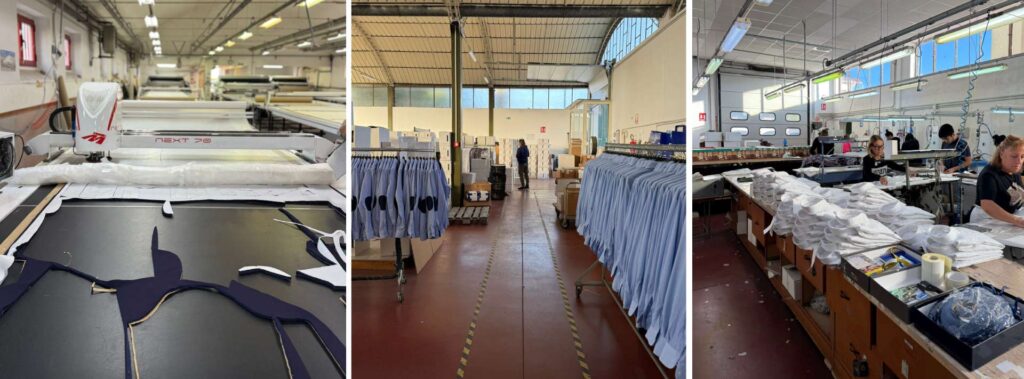
Why Seasonal Planning Must Reflect Regional Differences
A garment designed for a temperate European autumn may not be appropriate for a tropical market experiencing high humidity and rainfall. Likewise, a lightweight collection intended for warmer regions may not meet the requirements of consumers facing colder conditions.
This affects more than garment weight. Fibre composition, lining, construction, ventilation, water resistance, and finishing can all influence product suitability.
Brands with international distribution should consider regional product variations during development. This may involve adapting fabric weights, offering different layering options, or adjusting the assortment to reflect local demand.
Understanding these differences also helps brands make more informed sourcing decisions. A supplier’s technical capabilities should be evaluated against the actual requirements of the target product and market.
How Deepwear Can Support Seasonal Production Planning
Seasonal uncertainty cannot be eliminated through sourcing decisions alone. However, brands can make better-informed choices by evaluating materials, supplier capabilities, and manufacturing requirements before committing to production.
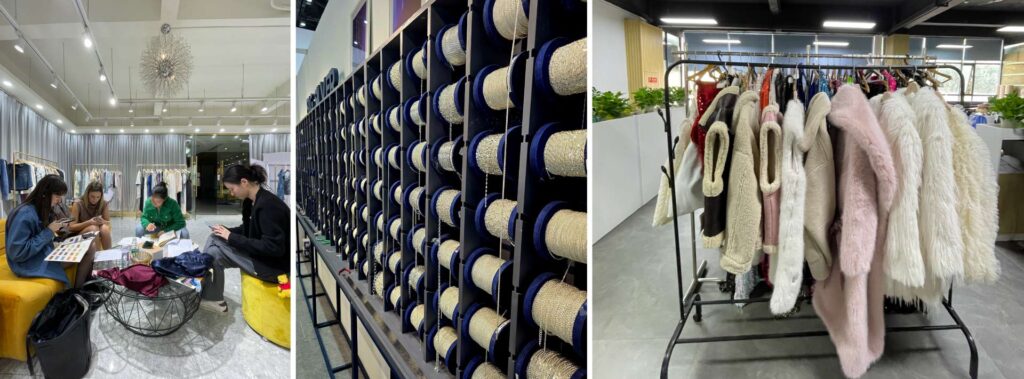
Deepwear connects fashion brands with independent factories, textile suppliers, and artisans across its sourcing network. Our local teams can help with supplier identification, material sourcing, sampling coordination, production communication, and quality assurance.
Thoray d’Haese Sacoor’s experience in global sourcing and factory evaluation informs our approach: production decisions need to account for the practical conditions on the ground, not only the intended design or retail calendar.
Our team can support brands in:
- Identifying suitable sourcing markets for specific fabric and garment requirements
- Evaluating supplier capabilities and production suitability
- Coordinating fabric sourcing and sample development
- Communicating specifications and production expectations
- Supporting production follow-up and quality assurance
The objective is to help brands make sourcing and manufacturing decisions that reflect their products, commercial priorities, and target markets.
Can Deepwear help brands find manufacturers for transitional collections?
Yes. Deepwear can help brands identify and evaluate independent suppliers and manufacturers across its sourcing network, coordinate material sourcing and sampling, and support communication and quality assurance during production. Supplier suitability depends on the specific project requirements.
Plan the Collection Around the Conditions It Must Serve
The traditional fashion calendar remains useful for organizing collections, but it should not be treated as a reliable prediction of consumer demand. Changing weather patterns are creating more uncertainty around when customers will need seasonal products and how long those products will remain relevant.
Brands can respond by developing more versatile assortments, evaluating fabric availability earlier, considering regional demand, and selecting manufacturing partners according to specific product requirements.
A more considered approach to fashion sourcing and manufacturing can help reduce avoidable production risks while giving collections greater relevance across changing conditions.
Planning a new collection or reconsidering your sourcing strategy? It takes only a handful of questions to start the conversation. Book a consultation with Deepwear to discuss your fabric requirements, sourcing markets, and manufacturing plans.