
Explore the market for elevated everyday fashion, from the ELIE SAAB x H&M collaboration to premium materials, ornamental details, and manufacturing opportunities for fashion brands.
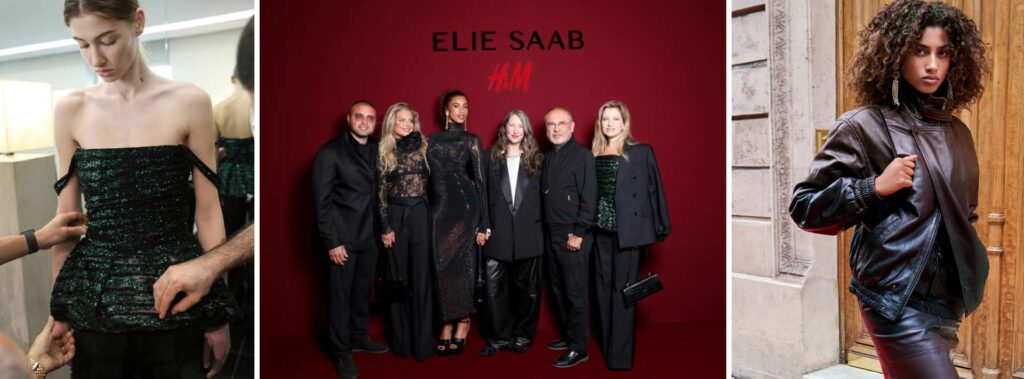
The ELIE SAAB x H&M collaboration offers an interesting perspective on how consumers can experience the design language of a haute couture house beyond traditional luxury retail. Known for elaborate evening gowns, intricate embellishment, and refined tailoring, ELIE SAAB brought these recognizable elements into a 55-piece ready-to-wear collection, including tailored jackets, embellished knitwear, coats, accessories, and occasionwear.
Launched on October 22, 2026, the collaboration demonstrates how couture-inspired aesthetics can be adapted for a broader retail audience without relying exclusively on formal garments. Its daywear pieces and styling possibilities extend the collection beyond the red carpet, making room for more versatile wardrobe applications.
For fashion brands, this raises a wider product-development opportunity: elevated everyday fashion that combines distinctive design with the comfort and functionality consumers expect from regular clothing.
At Deepwear, we see this as a relevant direction for brands operating across different market segments. Whether developing premium collections or faster-moving retail ranges, there is room to explore garments that offer more considered materials, construction, and visual detail.
In this blog, we cover:
- The market opportunity for elevated everyday clothing.
- How couture-inspired details translate into premium ready-to-wear.
- Practical examples of materials, embellishments, and garment applications.
- Sourcing and manufacturing countries worth exploring.
- How Deepwear supports brands developing more distinctive collections.
Beyond Basics and Occasionwear
Everyday clothing remains the foundation of most wardrobes. T-shirts, cotton shirts, trousers, knitwear, and comfortable outerwear serve practical purposes and maintain their place in the market.
However, there is also space between basic essentials and garments designed exclusively for formal occasions.
Consider a cotton cardigan with embroidered detailing, a relaxed blouse with carefully selected lace inserts, or a pair of wide-leg trousers made from a textured fabric with a more considered finish. These garments retain familiar silhouettes while offering something beyond standard construction and decoration.
The same approach can extend to loungewear, casual outfits, and everyday separates. A coordinated knitwear set, for example, can incorporate textured yarns, refined buttons, or subtle embroidery without compromising comfort. A relaxed jacket can use a distinctive jacquard fabric or decorative metal hardware while remaining suitable for casual outings.
These products do not necessarily require couture-level complexity. Their appeal can come from a combination of proportion, material, texture, and finishing.
The opportunity is not to replace everyday basics. It is to develop additional wardrobe options for consumers who want clothing that feels practical without looking visually ordinary.
Translating Couture Design Into Everyday Clothing
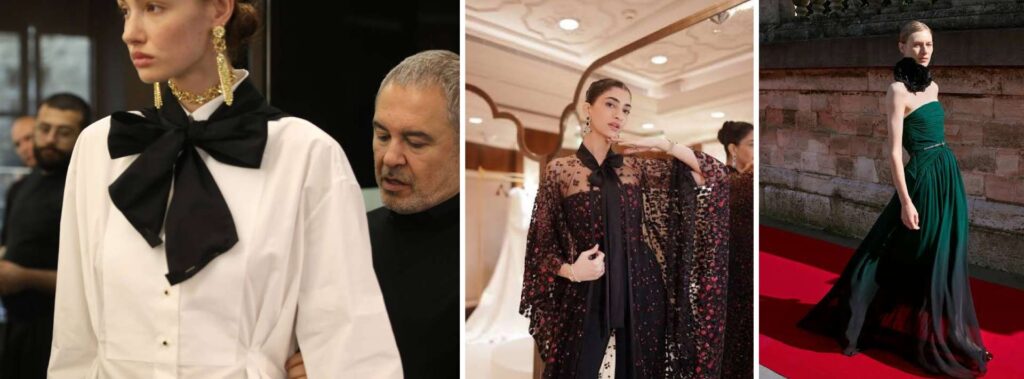
The ELIE SAAB x H&M collaboration provides a useful example of how a designer’s established aesthetic can extend into different garment categories.
The collection incorporates signature elements such as lace, sequins, embellished surfaces, and defined tailoring. These details are not limited to floor-length gowns. They also appear in separates, jackets, knitwear, and accessories.
This creates several possibilities for brands developing luxury-inspired clothing.
For example:
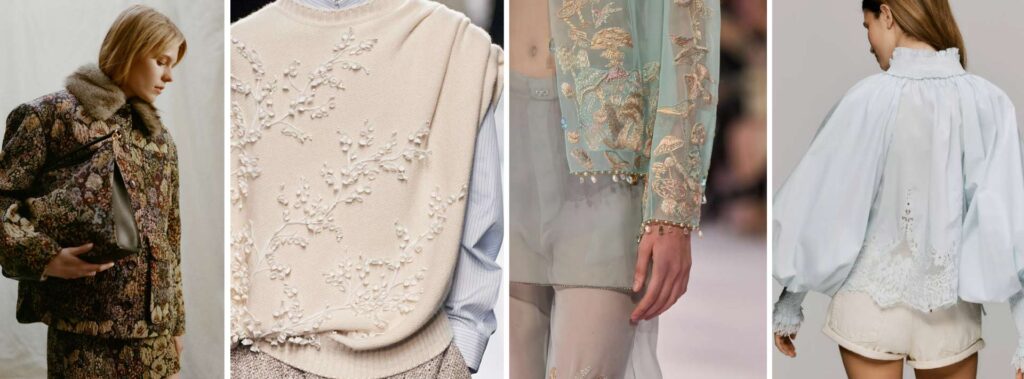
- Embellished knitwear: A cardigan with tonal beadwork or embroidered motifs can retain a comfortable, familiar silhouette while offering a more distinctive finish.
- Refined casual outerwear: A cotton or wool-blend jacket can incorporate shaped shoulders, decorative buttons, contrast piping, or textured panels.
- Ornamental daywear: A blouse with lace inserts, subtle pleating, or embroidered cuffs can work with denim, tailored trousers, or casual skirts.
- Elevated loungewear: Coordinated sets can use premium-feel fabrics, jacquard textures, refined trims, and considered silhouettes without becoming restrictive or overly formal.
- Versatile separates: A tailored vest, embellished skirt, or textured top can be styled independently rather than reserved for a matching formal outfit.
The commercial consideration is to adapt these details to the garment’s intended use. Heavy embellishment may suit an evening piece but become uncomfortable on a garment designed for frequent wear. Similarly, delicate lace requires appropriate construction and care considerations when used on everyday clothing.
The objective is to retain the visual character of a design while making the finished product suitable for its intended wardrobe function.
Materials and Craftsmanship That Add Product Value
The materials selected for a garment influence its appearance, texture, comfort, and durability. For brands developing premium ready-to-wear, fabric selection should therefore begin alongside silhouette and construction development.
Several material and finishing options can support more distinctive everyday products:
|
Material or technique |
Potential garment applications |
|
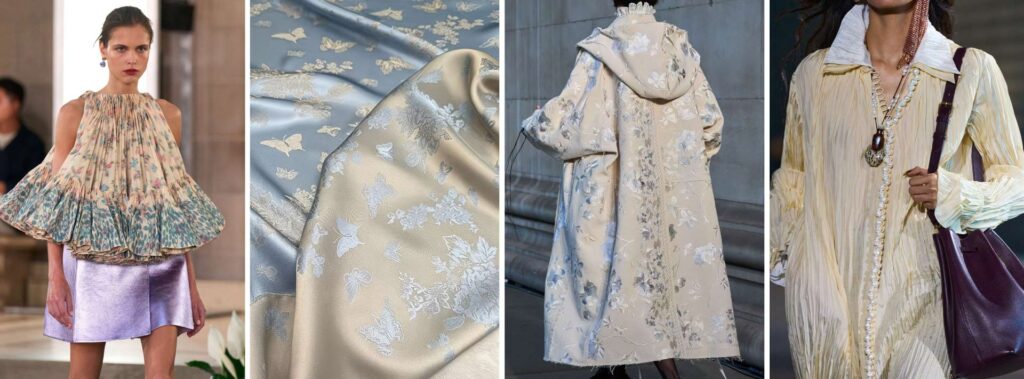
Cotton jacquard |
Shirts, dresses, relaxed jackets, and coordinated sets |
|
Silk and silk blends |
Blouses, lightweight separates, scarves, and occasion-to-daywear pieces |
|
Merino and textured knitwear |
Cardigans, sweaters, and elevated casual sets |
|
Lace and embroidery |
Blouses, sleeves, collars, panels, and decorative inserts |
|
Pleating and fabric manipulation |
Skirts, dresses, and structured tops |
|
Metal hardware and custom trims |
Jackets, trousers, bags, and accessories |
Material selection must account for more than appearance. A densely embroidered cotton blouse, for example, may require reinforcement around the decorated areas to prevent distortion. A jacquard jacket needs appropriate interfacing and construction to maintain its shape. Knitwear with decorative elements needs suitable attachment methods that accommodate the fabric’s movement.
Brands should also assess fabric weight, breathability, stretch, shrinkage, colorfastness, and care requirements according to the garment’s intended use.
For a deeper look at how specialist techniques translate into production, see our article, Why Fashion’s Return to Craftsmanship Is Changing Manufacturing Strategy for 2027.
Planning a collection around distinctive fabrics or specialist finishes? Our team can help assess material availability, supplier capabilities, and sampling requirements before production commitments are made. Talk to our team.
Sourcing Countries for Elevated Everyday Fashion
Different manufacturing markets offer different combinations of textile expertise, garment construction, and specialist production capabilities. The appropriate sourcing location depends on the product, target cost, order quantity, and required workmanship.
Deepwear has teams and sourcing networks across several of these markets. The following countries offer relevant starting points for brands exploring premium apparel manufacturing.
|
Country |
Relevant sourcing and manufacturing strengths |
Suitable applications |
|
Italy |
Premium tailoring, leatherwork, specialized garment construction, and refined finishing |
Structured jackets, luxury separates, leather accessories |
|
Portugal |
Knitwear, jersey, cotton apparel, and garment construction |
Premium casualwear, sweaters, coordinated sets |
|
Spain |
Leather goods, accessories, and selected apparel production |
Bags, footwear, accessories, and selected ready-to-wear |
|
Turkey |
Knitwear, denim, premium cotton, and textile production |
Casual separates, trousers, knitwear, outerwear |
|
India |
Hand embroidery, beadwork, cotton textiles, and traditional embellishment |
Embroidered blouses, dresses, decorative panels |
|
Thailand |
Silk, heritage textiles, swimwear, lingerie, and selected accessories |
Textured apparel, resortwear, silk garments, accessories |
|
China |
Integrated textile supply chains, technical materials, trims, and specialized manufacturing |
Jacquard garments, embellished apparel, hardware, complex product development |
|
Vietnam |
Apparel construction, woven garments, sportswear, and footwear |
Casualwear, outerwear, and functional everyday garments |
These are country-level strengths, not guarantees that every supplier offers every capability. Individual factories and workshops must still be assessed for their equipment, workmanship, capacity, pricing, and ability to reproduce the required specifications.
Some collections may benefit from combining suppliers. For instance, a brand could source a specialized embroidered textile from India, coordinate garment construction with a suitable apparel manufacturer, and develop custom hardware through a separate supplier. This requires careful coordination of material specifications, samples, lead times, and production responsibilities.
Our blog, The Global Manufacturing Reset: Where Fashion Brands Are Producing in 2027, explores the different manufacturing strengths of these markets in greater detail.
Different Market Segments, Different Product Expectations
The opportunity for elevated everyday clothing is not restricted to luxury labels.
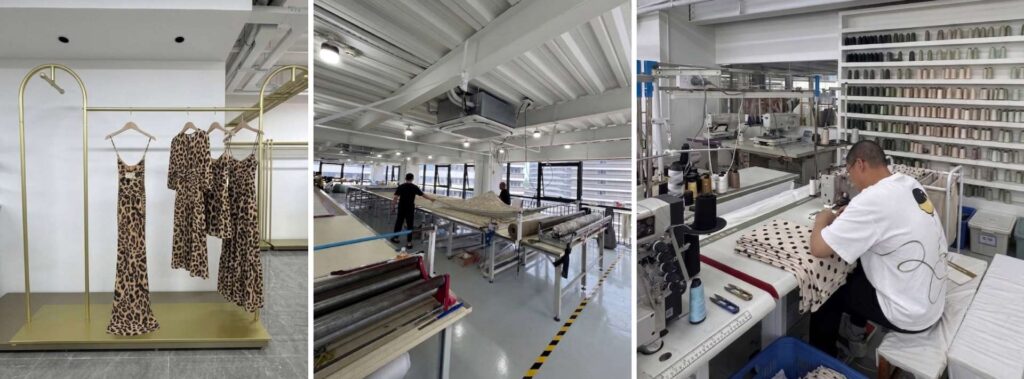
Fashion brands operate across a wide range of price points and retail models. Some prioritize premium fabrics and specialist workmanship, while others develop collections with shorter production cycles and more accessible pricing.
Even within faster-moving retail, product positioning varies considerably. Mid-market and mid-to-high-market brands may work with shorter development calendars while maintaining specific expectations around fabric quality, garment construction, finishing, and design differentiation.
A retailer developing a seasonal casualwear range, for example, might incorporate textured knitwear, embroidered shirts, or better-finished outerwear alongside its core basics. A premium contemporary label may pursue similar product categories with more specialized fabrics, custom embellishment, and smaller production runs.
The sourcing strategy needs to reflect those differences.
Custom embroidery may be appropriate for a limited collection but commercially impractical for a high-volume style. A stock trim with a suitable finish may provide the desired appearance at a more manageable cost. Similarly, a premium fabric is only a sensible choice when its performance, availability, and price align with the garment and its intended market.
Considering a more distinctive product direction for your next collection? Deepwear can help identify suitable suppliers and compare manufacturing options against your target specifications, quantities, and budget. Start a conversation with our team.
How Deepwear Supports More Design-Conscious Collections
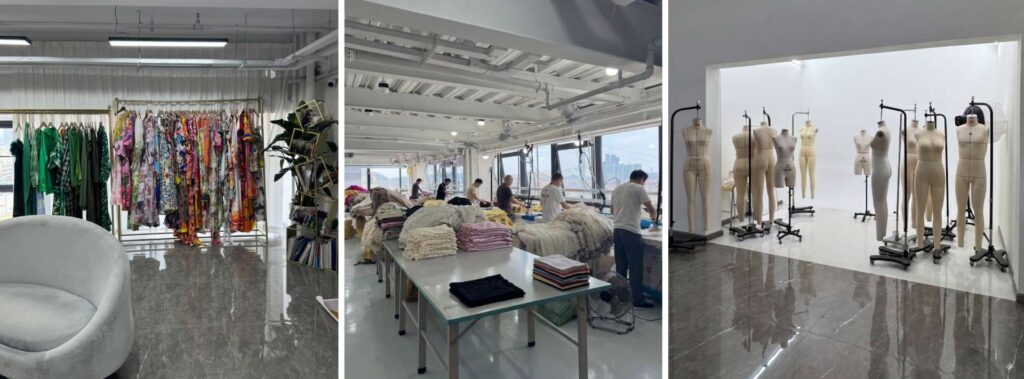
Developing visually distinctive clothing requires coordination between design decisions and manufacturing capabilities. A concept may call for specialist embroidery, unusual fabric construction, custom trims, or a combination of several production techniques.
Deepwear founder and CEO Thoray d’Haese Sacoor established the company in Bangkok in 2007, building its sourcing and manufacturing network around relationships with manufacturers, suppliers, and artisans across multiple markets.
Our team helps brands assess production requirements, identify suitable partners, coordinate material sourcing, manage sampling, and oversee production arrangements. We do not own the factories producing our clients’ garments. Instead, we connect brands with carefully selected manufacturing partners whose capabilities can be evaluated against each project’s requirements.
For a collection incorporating embroidered casualwear, for example, our team can help explore specialist embroidery suppliers, assess fabric compatibility, coordinate sample development, and connect the resulting specifications with an appropriate garment manufacturer.
For a premium knitwear range, the process may involve identifying suitable yarns, evaluating knit structures, confirming finishing requirements, and assessing whether the supplier can reproduce the approved sample at the required quantity.
Our approach also accounts for commercial considerations. Minimum order quantities, material availability, sampling time, production capacity, and repeat-order potential all influence which suppliers are suitable.
Brands developing collections across several product categories can also explore our How to Manage Sourcing for a Capsule Collection guide for practical advice on material consolidation, supplier coordination, and production planning.
Developing the Next Generation of Everyday Apparel
The ELIE SAAB x H&M collaboration illustrates one way established design identities can reach beyond traditional occasionwear and enter a broader ready-to-wear wardrobe. Its relevance extends beyond a single designer partnership: it highlights opportunities to incorporate more distinctive materials, finishes, and silhouettes into clothing intended for regular use.
For fashion brands, the next step is to identify which design elements suit their customers, product categories, and commercial positioning. A carefully constructed casual jacket, textured knitwear set, or embroidered everyday blouse can offer a different proposition without sacrificing functionality.
At Deepwear, our team works with brands across different market segments to explore those possibilities, from material sourcing and specialist craftsmanship to sampling and manufacturing coordination.
Have a collection in mind that combines everyday functionality with more distinctive design? You only need a handful of questions to get started. Book a consultation with our team to discuss your product direction, sourcing requirements, and suitable manufacturing partners.