
Explore the top Garment Manufacturing trends shaping 2027, from AI and digital product development to regional sourcing, sustainable fashion, and smarter Clothing Manufacturers.
The fashion industry has never stood still, but the pace of change over the last few years has been exceptional. Global supply chain disruptions, shifting consumer expectations, new sustainability regulations, and advances in digital technology have all reshaped how clothing is designed, produced, and delivered. While many of these changes began to take hold in 2026, the coming year will be defined by something different. Rather than introducing entirely new technologies, 2027 will be about turning promising innovations into everyday business practices.
For brands, this shift means choosing the right manufacturing partner is no longer based solely on production costs or factory capacity. The best clothing manufacturers are becoming strategic partners that offer transparency, digital capabilities, flexible production, and support for long-term growth. At the same time, sustainable fashion is moving beyond material selection to include traceability, responsible production, and measurable environmental performance.
At Deepwear, we have seen these changes firsthand while working with brands across Europe, North America, Australia, and New Zealand. The conversation has shifted from asking whether manufacturers should adopt new technologies to understanding how those technologies can create real value throughout the production process.

In this blog we cover:
- How Artificial Intelligence is becoming part of everyday Garment Manufacturing.
- Why flexibility, regional sourcing, and digital product development are reshaping Fashion Manufacturing.
- How Sustainable Fashion, production data, and transparency are changing supplier selection.
- Why skilled people remain essential alongside automation in modern Clothing Manufacturing.
- How Deepwear helps brands build resilient sourcing strategies with trusted Manufacturing Partners.
From Innovation to Industry Standard: How Garment Manufacturing Is Evolving
Many of the manufacturing trends discussed today did not appear overnight. Artificial intelligence, digital product development, recycled materials, and factory automation were already making headlines throughout 2026. What makes 2027 different is the stage of adoption.
During 2026, many brands experimented with new tools through pilot programs or limited production runs. Manufacturers invested in new equipment, tested digital workflows, and explored ways to improve efficiency without disrupting existing operations. While these early efforts demonstrated clear potential, they were not yet standard practice across the industry.
By 2027, many of these innovations are expected to become part of normal manufacturing operations rather than experimental projects. Brands will begin to evaluate factories based on how effectively they use technology, manage production data, and support transparent supply chains instead of simply asking whether they have adopted these tools.
This distinction is important because successful garment manufacturing has always been about more than having the latest equipment. The factories that stand out are those that integrate technology into everyday operations to improve quality, communication, and consistency.
Trend 1: Artificial Intelligence Becomes Part of Everyday Garment Manufacturing
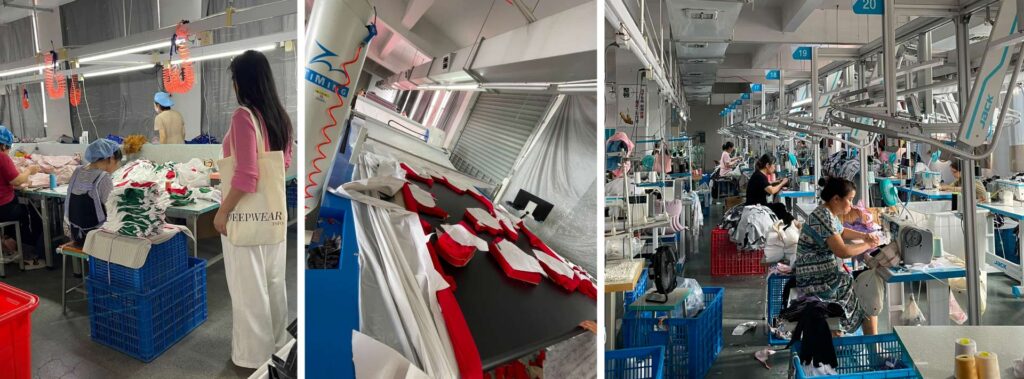
Artificial intelligence was one of the defining manufacturing conversations of 2026. Early adoption focused on solving specific operational challenges, such as detecting defects during production or helping teams forecast demand more accurately. These applications demonstrated that AI could support factory operations without replacing skilled workers.
In 2027, the focus shifts from experimentation to practical implementation.
Instead of operating as a standalone tool, AI is expected to support multiple stages of the manufacturing process simultaneously. Production planning, inventory management, quality assurance, and scheduling can all benefit from systems that analyze large amounts of operational data within seconds.
For brands, this creates several practical advantages:
- Better production visibility
- Faster identification of potential delays
- Improved communication between suppliers and brands
- More accurate production schedules
- Better use of factory capacity
This does not mean factories will become fully automated. Apparel production still relies heavily on human expertise, particularly when working with delicate fabrics, complex garment construction, or detailed finishing work. AI functions best as a decision-support tool that allows experienced production teams to respond more quickly and accurately.
For brands working with clothing manufacturers, the question is no longer whether AI exists within a factory. Instead, it is how those digital tools improve communication, reduce errors, and create more predictable production outcomes.
Trend 2: Clothing Manufacturers Will Compete on Flexibility, Not Just Capacity
For decades, many sourcing decisions focused on production volume. Manufacturers were often evaluated based on how many garments they could produce within a specific timeframe.
Today’s market looks very different.
Consumer preferences change quickly, fashion cycles move faster, and many brands release smaller collections throughout the year rather than relying on two major seasonal launches. This has changed what brands expect from their manufacturing partners.
Instead of asking, “How many units can this factory produce?” brands are also asking:
- Can production be adjusted if demand changes?
- Can smaller minimum order quantities be accommodated?
- Can repeat orders be fulfilled quickly?
- Can multiple product categories be managed within the same supply network?
This flexibility has become a competitive advantage for modern garment manufacturing.
At Deepwear, we don’t rely on a single production facility. Rather than matching every project with one factory, we work with a network of trusted manufacturers selected according to each product’s technical requirements, production timeline, and quality expectations. This allows brands to build sourcing strategies around the needs of the product instead of forcing every collection through the same production model.
For growing brands, flexibility can often be more valuable than maximum production capacity.
Trend 3: Sustainable Fashion Moves Beyond Materials
For many years, discussions around sustainable fashion focused primarily on fabrics. Organic cotton, recycled polyester, and innovative fibers became important selling points for brands seeking to reduce their environmental impact.
While materials remain an important part of sustainability, they represent only one piece of a much larger picture.
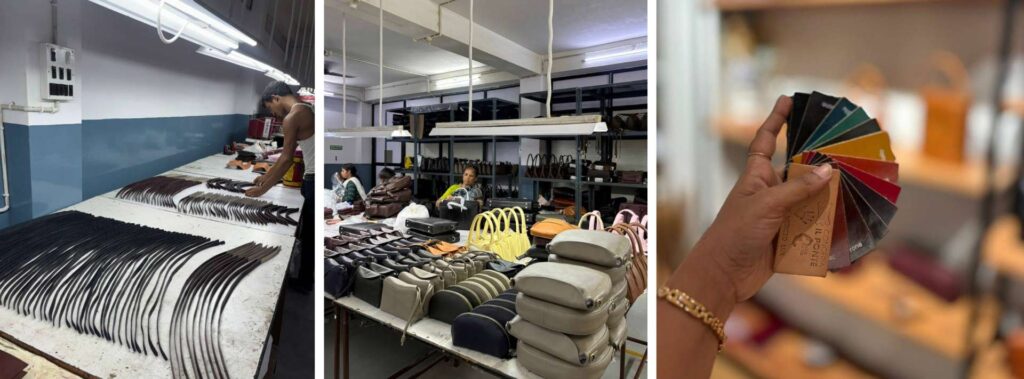
As 2027 approaches, brands are paying closer attention to how garments are produced, not simply what they are made from.
Questions such as these have become far more common during supplier evaluations:
- Can the factory provide production traceability?
- Are environmental standards documented?
- How are waste materials managed?
- Are labor practices independently verified?
- Can production data support future reporting requirements?
Instead of relying on marketing claims alone, brands are expected to provide evidence that supports their environmental and social commitments. Regulations in several markets are also placing greater emphasis on supply chain transparency, making reliable manufacturing data more valuable than ever.
Trend 4: Regional Sourcing Creates More Resilient Supply Chains
Over the past few years, many fashion brands have learned an important lesson: relying on a single sourcing destination can expose a business to unnecessary risk. Shipping delays, geopolitical events, changes in trade policies, and fluctuations in production capacity have all highlighted the importance of having a more balanced sourcing strategy.
In 2027, regional sourcing is expected to become a standard practice for many brands rather than a contingency plan.
Instead of concentrating production in one country, brands are building supplier networks that combine the strengths of multiple manufacturing regions. A collection may be produced across several countries based on product category, technical expertise, lead time, or logistics.
For example:
- Portugal continues to be known for premium knitwear, luxury garments, and smaller production runs.
- Turkey offers fast lead times and strong capabilities for fashion collections supplied to Europe.
- India remains a leading destination for embroidery, natural fibers, and handcrafted textiles.
- Vietnam has built a strong reputation for sportswear, technical apparel, and large-scale production.
- Thailand supports brands looking for quality manufacturing with flexibility across several product categories.
- China continues to play an important role in technical manufacturing, advanced textiles, and highly integrated supply chains.
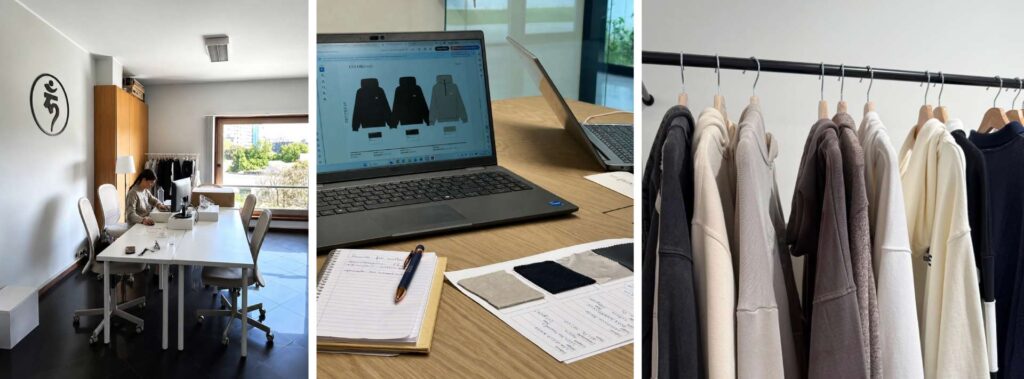
Rather than replacing one manufacturing hub with another, brands are creating sourcing strategies that balance quality, cost, speed, and resilience.
Choosing the right manufacturing region can reduce costs, improve lead times, and strengthen your supply chain. Contact Deepwear to discover which sourcing destination best suits your next collection.
Trend 5: Digital Product Development Reduces Time to Market
Product development has traditionally been one of the longest stages of the manufacturing process. Multiple sample rounds, lengthy approval cycles, and international shipping can extend timelines before production even begins.
Digital product development is changing this process.
Technologies such as 3D garment visualization, digital prototyping, and virtual sample reviews allow brands and manufacturers to identify design adjustments much earlier. While physical samples remain essential before bulk production, digital tools help reduce unnecessary revisions and improve communication between designers and production teams.
The advantages include:
- Faster design approvals
- Fewer sample iterations
- Better communication between brands and factories
- Reduced material waste during development
- Shorter production timelines
These improvements also support sustainable fashion by reducing the resources required during product development.
For brands launching multiple collections each year, even small reductions in development time can create a significant competitive advantage. Faster approvals allow production to begin sooner, helping brands respond more effectively to changing consumer demand.
When combined with detailed technical packs and experienced production management, digital product development creates a smoother path from concept to finished garment.
Read our related blog: Why Tech Packs are Essential in The Fashion Industry
Trend 6: Data Becomes a Competitive Advantage for Clothing Manufacturers
Manufacturing has traditionally relied on experience, craftsmanship, and strong supplier relationships. While these remain essential, data is becoming another important asset.
Brands want greater visibility throughout production. They expect regular updates, accurate timelines, and reliable information that supports better decision-making.
In response, many clothing manufacturers are investing in digital systems that provide:
- Production progress tracking
- Inventory visibility
- Quality inspection records
- Supplier performance metrics
- Digital documentation
- Production reporting
Access to this information allows brands to identify potential issues earlier and make informed decisions before delays affect delivery schedules.
Data also supports stronger collaboration between brands and manufacturers. Rather than waiting for periodic updates, production teams can work from shared information that improves communication and accountability throughout the manufacturing process. As supply chains become more complex, access to accurate production data will become just as valuable as manufacturing capacity itself.
Trend 7: Human Expertise Remains Essential Alongside Automation
Automation has transformed many areas of manufacturing, but fashion production remains unique.
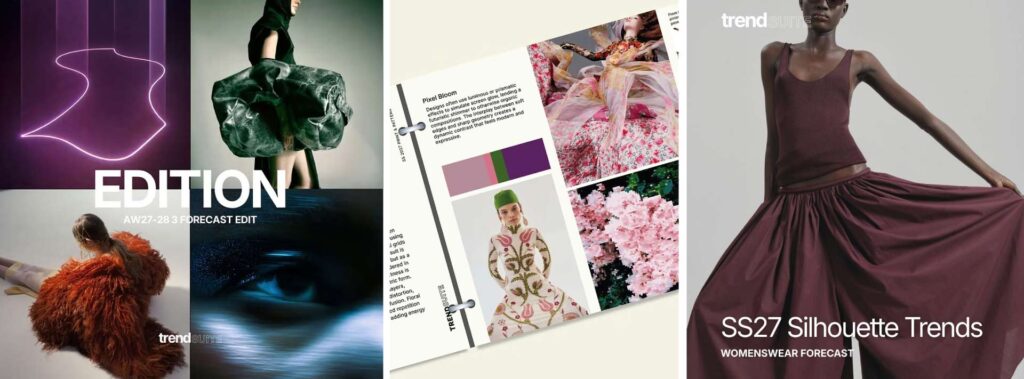
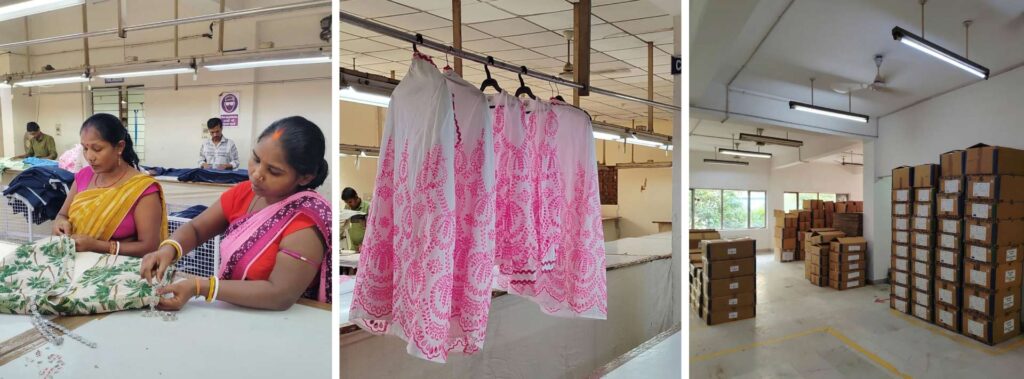
Unlike rigid materials used in other industries, fabrics stretch, shift, wrinkle, and behave differently depending on their composition. Many construction techniques still require the experience and precision of skilled operators.
For this reason, the future of garment manufacturing is not fully automated factories. Instead, it is a collaboration between people and technology.
Automation is well suited for repetitive processes such as:
- Fabric spreading
- Material cutting
- Pattern placement
- Production monitoring
- Quality inspection support
Meanwhile, experienced professionals continue to play a critical role in:
- Complex sewing operations
- Garment assembly
- Finishing techniques
- Quality evaluation
- Production troubleshooting
Technology improves efficiency, but craftsmanship continues to determine the quality of the final product. The most successful manufacturers are those that invest in both advanced equipment and skilled people. This balance allows factories to improve productivity while maintaining the quality standards that fashion brands expect.
What is the biggest garment manufacturing trend brands should prepare for in 2027?
The biggest trend is the shift from adopting new technologies to using them as part of everyday manufacturing operations. Brands should look for clothing manufacturers that combine digital tools, transparent supply chains, flexible production capabilities, and support for sustainable fashion to improve efficiency, reduce risk, and build more resilient sourcing strategies.
Preparing Your Brand for the Future of Manufacturing
The future of garment manufacturing will belong to brands that build resilient partnerships rather than simply chase the lowest production costs. As fashion manufacturing continues to evolve, success will depend on choosing verified clothing manufacturers that offer transparency, flexibility, technical expertise, and consistent quality. At Deepwear, our global network of 17 offices and carefully vetted manufacturing partners help brands navigate changing market conditions with confidence, connecting them with suppliers that support long-term growth, operational efficiency, and reliable production.
Whether you’re launching a new collection, expanding into new markets, or reviewing your sourcing strategy, Deepwear can help you find the right manufacturing solution for your products. From supplier selection and product development to quality assurance and production management, our global network gives your brand access to trusted manufacturing partners across multiple regions.