
Discover the manufacturing signals behind true luxury. Learn how Product Development, craftsmanship, and quality create products designed to last for generations.
Luxury has become one of the most overused words in fashion. Premium pricing, limited editions, celebrity endorsements, and recognizable logos are often mistaken for lasting value. Yet many expensive products lose their appeal after only a few seasons, while others remain treasured for decades and are passed from one generation to the next.
The difference is rarely marketing. It is manufacturing.
Every heirloom piece begins long before it reaches a boutique or a customer’s wardrobe. Behind every beautifully tailored jacket, handcrafted leather bag, or finely crafted piece of jewelry are hundreds of deliberate decisions made throughout Product Development, sourcing, engineering, sampling, and production. These choices determine whether a product will age gracefully, retain its functionality, and justify repair rather than replacement.
This is why true Luxury Manufacturing cannot be measured by price alone. It is measured by precision, craftsmanship, durability, and consistency. Brands that understand these principles create products with lasting value, while those that focus only on appearance often struggle to maintain quality as collections evolve.
In this blog we cover:
- What luxury means from a manufacturing perspective
- The manufacturing signals behind heirloom-quality products
- Why material selection determines long-term value
- How thoughtful construction allows products to last for decades
- What brands should prioritize when building products designed to stand the test of time
Luxury Is Built Long Before a Product Reaches the Shelf
Consumers experience the finished product. Manufacturers experience the hundreds of decisions that came before it.
One of the biggest misconceptions in Fashion Manufacturing is that luxury is created during production. In reality, most luxury characteristics are determined much earlier during Product Development.
A factory cannot compensate for weak engineering, poor material selection, or incomplete technical documentation. Likewise, premium materials alone cannot transform an underdeveloped design into a luxury product.
The strongest examples of Luxury Product Development focus on solving problems before production begins.
These include:
- Comprehensive technical packs with precise specifications
- Multiple prototype rounds to refine construction
- Fit development across different sizes
- Stress testing of trims, hardware, and fabrics
- Manufacturing methods designed for longevity rather than speed
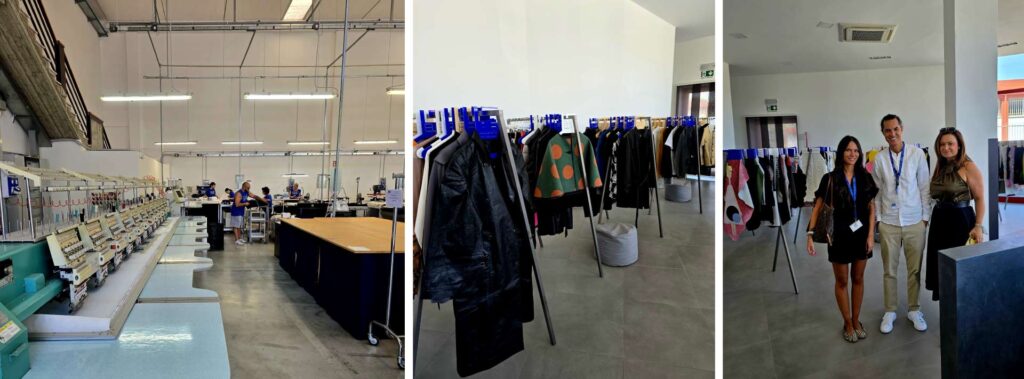
Brands that rush these stages often encounter costly revisions during production. More importantly, they may compromise the very qualities that distinguish premium products from ordinary ones.
As we explored in The Hidden Cost of Slow Product Development, investing more time before production often reduces defects, minimizes waste, and produces garments with greater consistency. Likewise, The Biggest Product Development Mistakes We See Fashion Brands Make demonstrates how overlooking seemingly small decisions during development can affect quality throughout the entire product lifecycle.
Luxury Starts with Intentional Engineering
Luxury products are rarely complicated because they contain more components. They are complicated because every component has been considered carefully.
Consider a tailored blazer. Two jackets may appear almost identical from the outside, yet perform very differently after years of use.
| Standard Construction | Luxury Construction |
| Minimal seam allowance | Generous seam allowance for future alterations |
| Fused construction | Canvassed or partially canvassed structure |
| Standard interfacing | High-quality interfacing selected for durability |
| Cost-driven construction | Construction optimized for longevity |
| Limited fitting stages | Extensive fit refinement during development |
These differences are largely invisible to consumers when the garment is new. They become obvious after repeated wear, cleaning, and alterations.
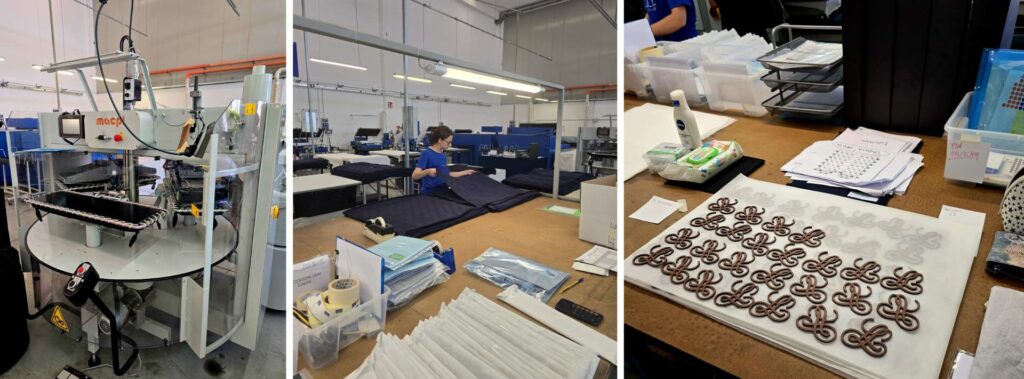
Signs of Strong Product Development
Brands aiming to create premium collections should evaluate whether their development process includes:
- Clear technical documentation.
- Multiple sample iterations instead of rushing approvals.
- Material testing before bulk production.
- Engineering for repairability and alterations.
- Collaboration between designers, pattern makers, and manufacturers.
Each step strengthens the foundation of a product that may remain wearable for decades rather than seasons.
Material Selection Is the First Signal of True Luxury
Luxury products rarely rely on novelty. They rely on materials that become more beautiful through use.
This principle is one of the strongest indicators of genuine Luxury Craftsmanship.
Some materials soften. Others develop a rich patina. Many retain their structural integrity for decades with proper care. By contrast, lower-quality alternatives often lose shape, crack, pill, fade, or deteriorate long before the product reaches the end of its intended lifespan.
Material selection is therefore one of the most important decisions in Luxury Sourcing.
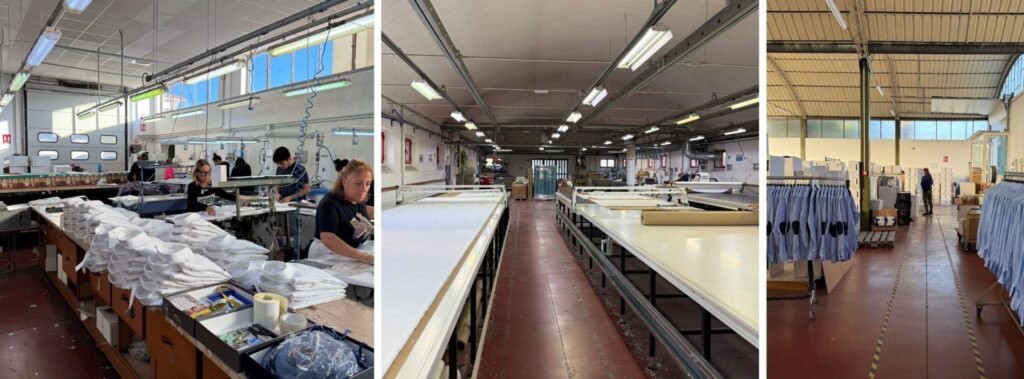
Materials That Stand the Test of Time
| Material | Why It Is Used in Luxury Products |
| Full-grain leather | Develops character and patina while maintaining strength |
| Cashmere | Exceptional softness with long-term durability when sourced responsibly |
| Fine wool | Excellent recovery, resilience, and longevity |
| Linen | Strong natural fibers that become softer over time |
| Silk | Luxurious appearance with remarkable tensile strength |
| Precious metals | Can be repaired, polished, and reused across generations |
| Natural gemstones | Maintain beauty and value when properly set |
| Premium hardware | Designed to resist corrosion and repeated use |
Notice that many of these materials share one characteristic. They improve with age rather than deteriorate because they were selected for performance as well as appearance.
This philosophy extends beyond apparel into Luxury Leather Goods Manufacturing and Luxury Jewelry Manufacturing, where the quality of leather, hardware, gemstones, and metal alloys directly influences whether products can be repaired and preserved over decades.
For fashion brands, selecting materials should involve far more than comparing swatches or supplier quotations. It requires understanding how fabrics and components behave after years of wear, exposure, cleaning, and environmental conditions.
Questions worth asking include:
- Will this fabric maintain its structure after repeated use?
- Can the leather be conditioned and restored?
- Will the hardware resist corrosion?
- Can damaged components be replaced?
- Does the material support future repairs or alterations?
These are the questions that separate durable products from disposable ones.
Our blogs The Essential Fabric Sourcing Checklist for Emerging Fashion Brands and How to Choose the Right Fabric Weave During Product Development explore many of these considerations in greater detail. Likewise, our guide to Luxury Jewelry Manufacturing demonstrates how careful sourcing decisions influence both durability and long-term value.
Material Quality Should Support the Product’s Purpose
Not every luxury product requires the same materials.
A structured wool overcoat has different performance requirements than a silk evening dress. A leather travel bag experiences different stresses than a gemstone bracelet.
The objective is not simply to choose the most expensive material. It is to select the material best suited to the product’s intended use.
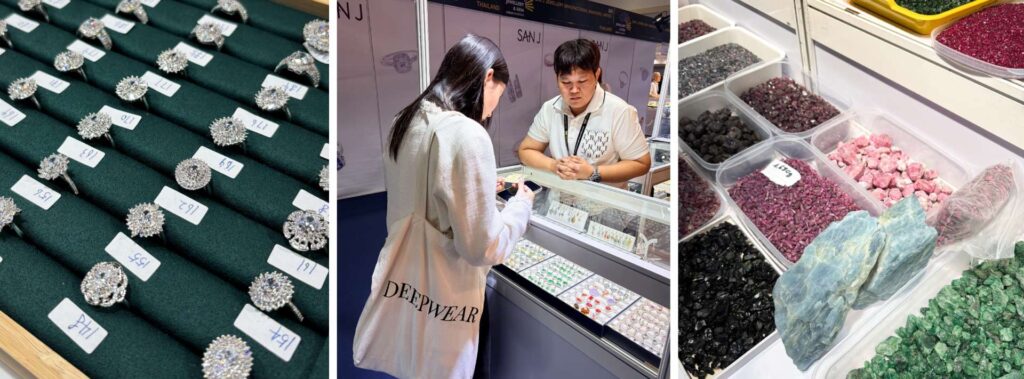
This balance between function, longevity, and craftsmanship is what defines exceptional Luxury Fashion Manufacturing. Brands that invest in thoughtful material selection create products that continue to perform beautifully years after purchase, strengthening customer trust and reinforcing their reputation for quality.
Deepwear helps brands transform ideas into heirloom-quality products through expert Product Development, strategic sourcing, and world-class Garment Manufacturing. If your goal is to create products designed to last for generations, building the right process is the first step. Start a conversation with our team.
Construction Determines Whether Products Can Become Heirlooms
Materials create the foundation of a luxury product, but construction determines whether that product can truly endure.
A high-quality material can still fail if it is assembled poorly. Likewise, an exceptional design can lose its value if the manufacturing process prioritizes speed over precision.
This is where Luxury Garment Manufacturing separates itself from ordinary production. The focus is not simply on creating a visually appealing product at launch. It is about creating something that maintains its structure, function, and appearance through years of use.
A true luxury product is designed with its future in mind.
It considers:
- How the product will age
- How it will be maintained
- Whether it can be repaired
- Whether it can be adjusted as the owner changes
- Whether its craftsmanship remains visible decades later
These decisions are the foundation of Heirloom-quality products.
Construction Signals of Luxury Across Product Categories
Different products require different approaches to longevity. The manufacturing techniques behind a tailored suit are different from those behind a leather handbag or a fine piece of jewelry, but the principle remains the same: every component must contribute to durability.
| Product Category | Manufacturing Signals of True Luxury |
| Tailored garments | Precise pattern cutting, reinforced seams, quality linings, hand finishing, alteration-friendly construction |
| Dresses and eveningwear | Stable fabrics, internal structure, careful finishing, reinforced stress points |
| Leather goods | Full-grain leather, saddle stitching, quality edge finishing, durable hardware |
| Jewelry | Precise stone setting, high-quality alloys, expert finishing, repairable construction |
| Watches | Serviceable movements, replaceable components, precision engineering |
For garments, details that may seem minor often determine whether a piece lasts five years or fifty.
A luxury jacket, for example, may include:
- Extra fabric allowance for future tailoring
- Stronger stitching at stress points
- Better internal structure to maintain shape
- Higher-quality lining materials
- Carefully engineered pattern pieces for balance and movement
These choices are rarely visible in product photography. They become valuable through ownership.
Luxury Products Are Designed to Be Repaired, Not Replaced
One of the strongest Manufacturing Quality Signals of luxury is repairability.
Mass-market products are often designed around replacement. Once damaged, they are discarded because repair costs exceed the product’s value.
Luxury products follow a different philosophy.
A well-made item assumes that maintenance is part of ownership.
Examples include:
- A tailored suit that can be altered as the wearer’s body changes
- A leather bag that can have hardware replaced or leather restored
- A necklace that can be resized or reset
- A mechanical watch that can be serviced decades later
This is why longevity is not only about durability. It is about creating products that can evolve.
A garment that can be adjusted has a longer useful life. A handbag that can be restored retains emotional and financial value. A piece of jewelry that can be redesigned can continue through multiple generations.
Repairability reflects confidence in the original construction.
The Role of Quality Assurance in Fashion Manufacturing
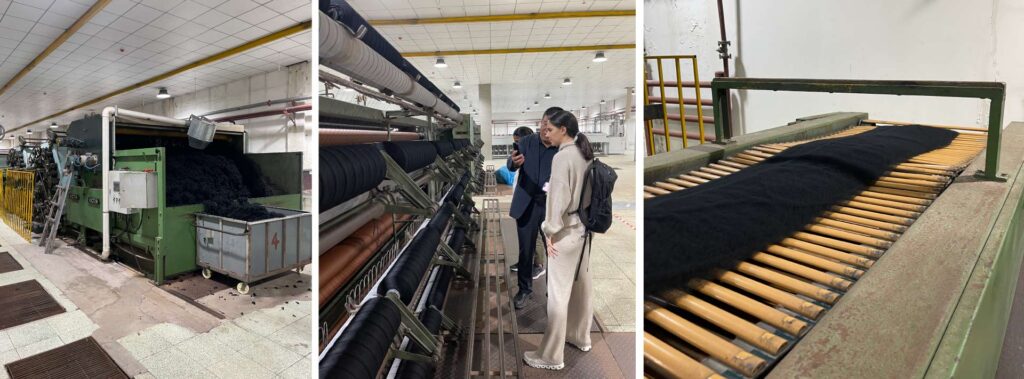
A premium product requires consistency across hundreds or even thousands of production steps. Every stitch, seam, trim, and component contributes to the final result. This is why Quality Assurance in Fashion Manufacturing should never be treated as a final checkpoint. It should be integrated throughout the entire production process.
Effective quality assurance follows a structured approach:
| Production Stage | Quality Focus |
| Material inspection | Verifying fabrics, leather, trims, hardware, and components before production begins |
| Sample approval | Confirming fit, construction methods, measurements, and finishing standards |
| In-line production inspections | Monitoring workmanship and identifying issues before they affect the full production run |
| Final quality inspection | Reviewing completed products for defects, consistency, packaging, and shipment readiness |
Many manufacturers conduct their own internal quality inspections, which are essential for day-to-day production. However, for brands producing premium collections, relying solely on factory inspections may not always provide the level of independent oversight required.
At Deepwear, brands can choose the level of quality assurance that best fits their production strategy. We can coordinate additional quality inspections through our own experienced merchandising and quality teams, or work alongside an independent third-party inspection company selected by the brand. This provides an extra layer of verification before products leave the factory, helping ensure that agreed quality standards have been met.
This flexible approach allows brands to maintain transparency throughout production while remaining in control of their quality requirements. It is particularly valuable for luxury collections, where consistency across every unit is just as important as the design itself.
As we discuss in Supplier Evaluation in Fashion Manufacturing, selecting the right manufacturing partner extends beyond production capacity. Factory capabilities, quality systems, communication, and accountability all contribute to long-term success. Likewise, Product Inspection vs Product Testing explains why visual inspections alone are not always enough to verify product performance.
The strongest Fashion Manufacturing partnerships are built on shared quality expectations and independent verification, giving brands greater confidence that the products reaching their customers reflect the standards they set from the very beginning.
How does Deepwear help brands produce luxury-quality products?
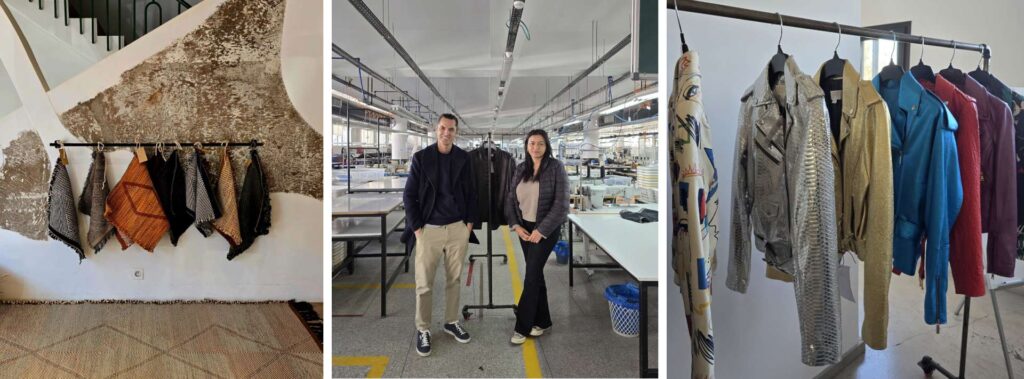
Deepwear supports brands throughout the entire manufacturing journey, from Product Development and sourcing to factory selection and production management. We also offer additional quality assurance through our own experienced merchandising and quality teams or can coordinate with an independent third-party inspection company chosen by the brand, providing greater transparency and confidence before products leave the factory.
Building Products That Outlive Trends
The world’s most respected products are remembered not because they carried the highest price tag, but because they were made with exceptional care.
Whether you’re developing luxury apparel, leather goods, jewelry, or accessories, Deepwear helps brands build manufacturing strategies that prioritize quality, consistency, and longevity. From expert Product Development and Garment Manufacturing to supplier evaluation, quality assurance, and global sourcing, our team works alongside brands to transform ambitious ideas into products designed to stand the test of time.
If your goal is to create collections that customers value for years rather than seasons, we’d love to help you build them from the very beginning. Start a conversation with our team today.