
Explore the future of resortwear manufacturing in 2027, from lightweight fabrics and soft tailoring to global sourcing strategies across India, Turkey, Morocco, Thailand, and China. Learn what brands should prioritize when choosing a resortwear manufacturer and production partner.
The global fashion market continues to shift toward categories built around comfort, versatility, and lifestyle-driven dressing. One of the clearest examples is the rise of resortwear manufacturing, which now extends far beyond traditional vacation clothing.
Modern resortwear collections are designed for far more than beaches and holiday destinations. Consumers wear these silhouettes in urban environments, luxury hospitality spaces, wellness retreats, restaurants, events, and everyday warm-weather settings. As a result, brands are developing collections that combine elements of travel fashion, ready-to-wear, swimwear, and relaxed tailoring into a single category.
In this blog we cover:
- Why resortwear manufacturing is changing in 2027
- The rise of lightweight fabrics and soft tailoring
- Which countries are strongest for resortwear production
- How brands are balancing craftsmanship, MOQ, and lead times
- What buyers should prioritize when sourcing resortwear collections
Why Resortwear Has Become a Year-Round Fashion Category
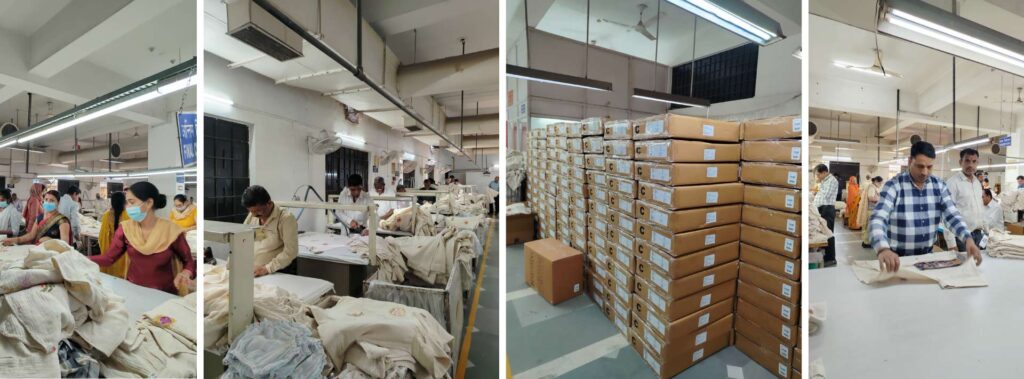
Resortwear has evolved into a broader lifestyle category shaped by travel culture, social commerce, wellness branding, and climate-conscious dressing habits. Consumers are no longer purchasing resortwear solely for seasonal vacations. Instead, brands are creating collections designed to function across multiple environments and occasions.
Oversized shirts, relaxed trousers, matching linen sets, kaftans, and draped dresses now appear across:
- luxury hospitality spaces,
- urban fashion styling,
- beach clubs,
- wellness retreats,
- and everyday casualwear.
This shift has also changed production cycles. Many brands now launch smaller capsule drops throughout the year rather than relying entirely on seasonal resort collections. Deepwear has seen growing demand for production models that support:
- flexible development,
- lower inventory risk,
- and smaller but more frequent manufacturing runs.
The commercial focus has moved toward versatile garments that photograph well, travel easily, and transition between settings without requiring entirely separate wardrobes.
The Fabric Trends Shaping Resortwear Manufacturing
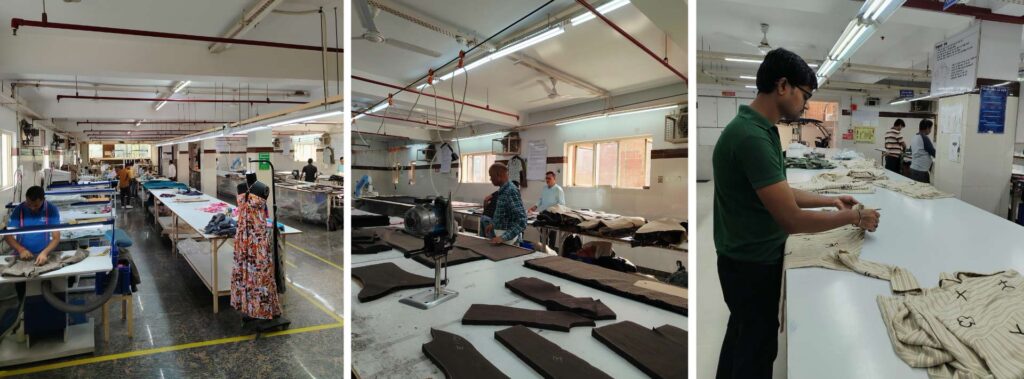
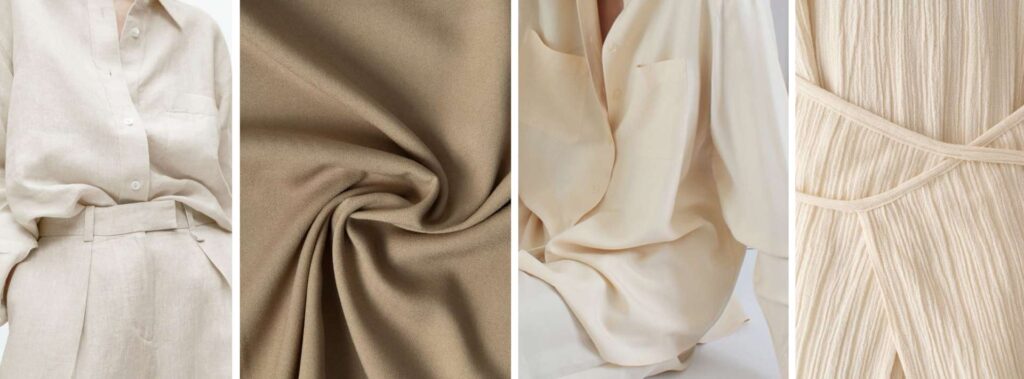
Fabric selection now sits at the center of modern resortwear sourcing strategies. Buyers are prioritizing textiles that combine breathability, softness, movement, and premium handfeel while remaining commercially viable at production scale.
Several fabric categories dominate the current market:
- Linen blends
- Cotton voile
- Lightweight woven fabrics
- Pleated textiles
- Crochet detailing
- Laser-cut fabrics
- Breathable tailoring fabrics
These materials work well because they support movement, layering, packability, and comfort in warm climates while maintaining elevated visual appeal.
However, lightweight fabrics also introduce significant manufacturing challenges.
Very sheer textiles can create:
- stitching instability,
- transparency inconsistencies,
- color variation,
- and quality-control complications during production.
Pleated fabrics require precise technical handling to maintain structure and durability, while embroidered resortwear must balance embellishment density against garment weight and drape.
This is where sourcing coordination becomes critical. Deepwear works with factories that understand how delicate resort fabrics behave during:
- cutting,
- washing,
- embroidery,
- dyeing,
- and finishing processes.
The technical side of resortwear manufacturing is often underestimated by emerging brands entering the category for the first time.
Why Soft Tailoring Is Becoming Important in Resortwear
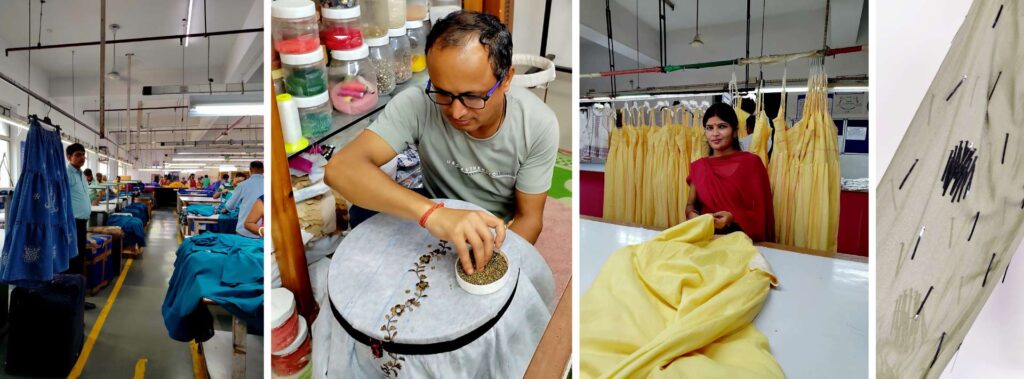
One of the strongest shifts in resortwear design involves the rise of soft tailoring. Structured garments are now being reinterpreted through relaxed cuts, lightweight fabrics, and fluid silhouettes.
Examples include:
- oversized blazers,
- relaxed trousers,
- draped outerwear,
- lightweight matching sets,
- and swim-to-street layering pieces.
Unlike traditional tailoring, soft tailoring depends heavily on fabric drape and pattern precision rather than rigid internal structure. The goal is to maintain sophistication without sacrificing comfort or movement.
For manufacturers, this creates a different set of technical requirements.
Factories producing soft tailoring need expertise in:
- lightweight construction,
- clean finishing,
- fabric behavior,
- and precision pattern development.
Garments that appear visually simple often require advanced technical handling to achieve the intended silhouette without puckering, stiffness, or shape distortion.
This category also aligns closely with the broader movement toward relaxed luxury aesthetics, particularly among premium resort and hospitality brands.
The Countries Leading Resortwear Manufacturing in 2027
1. India
India remains one of the strongest global manufacturing hubs for luxury resortwear and artisan-heavy collections.
The country has deep expertise in:
- embroidery,
- crochet,
- hand embellishment,
- printed cotton fabrics,
- kaftan production,
- and low MOQ development.
Indian factories are particularly competitive for boutique luxury brands seeking:
- handcrafted detailing,
- textured fabrics,
- and artisanal finishing techniques.
Regions such as Jaipur and Delhi NCR continue to play major roles in resortwear production due to their strong ecosystems for embellishment, printing, and lightweight woven garments.
In Deepwear’s experience on the ground, India offers flexibility across both premium handcrafted collections and scalable commercial production.
2. Turkey
Turkey continues to position itself as a strong manufacturing destination for premium resortwear with a more refined and structured aesthetic.
The country performs especially well in:
- linen resortwear,
- premium cotton production,
- matching sets,
- and relaxed tailoring.
Turkey’s vertically integrated textile infrastructure remains one of its largest advantages. Many suppliers operate with close connections between fabric mills, dye houses, and garment production facilities.
This supports faster lead times, stronger fabric consistency, and better production oversight.
For European brands, proximity also reduces shipping timelines compared to many Asian sourcing markets. Deepwear frequently positions Turkey as a strategic option for brands prioritizing quality control, premium finishing, and shorter replenishment windows.
3. Morocco
Morocco continues to grow as a nearshoring destination for European fashion brands seeking flexible production closer to their consumer markets.
The country performs well in:
- soft tailoring,
- cut-and-sew production,
- linen separates,
- and relaxed Mediterranean-inspired resortwear.
Morocco’s manufacturing strength lies less in heavy embellishment and more in streamlined garment construction and regional logistics advantages.
For brands managing shorter production calendars or tighter distribution timelines across Europe, Morocco offers a commercially practical alternative to longer-distance sourcing models.
This becomes particularly relevant for capsule collections and smaller resortwear programs requiring faster turnaround.
4. Thailand
Thailand occupies a unique position within the resortwear market due to its strong connection to tourism, wellness, luxury hospitality, and tropical lifestyle aesthetics.
The country shows strong potential in:
- boutique resortwear,
- premium islandwear,
- wellness apparel,
- artisan textile applications,
- and hospitality-driven fashion programs.
Thailand may not compete directly with larger industrial manufacturing systems on scale alone, but it remains highly relevant for boutique collections, niche luxury positioning, and hospitality-focused apparel concepts.
Deepwear sees Thailand as particularly valuable for brands operating within luxury resort spaces, spa and wellness markets, and tropical lifestyle branding.
5. China
China remains a major force in resortwear manufacturing due to its advanced textile capabilities and large-scale production infrastructure.
The country is especially strong in:
- pleating technology,
- performance fabrics,
- laser-cut textiles,
- technical swimwear fabrics,
- and large-scale print production.
China also maintains advantages in synthetic textile engineering and complex fabric finishing techniques that are difficult to replicate elsewhere at comparable scale.
For brands producing technical resortwear hybrids or larger commercial resort collections, China continues to offer strong manufacturing efficiency and production capacity.
Looking for the right resortwear manufacturing partner? Explore Deepwear’s factory catalogue featuring global suppliers for linen apparel, soft tailoring, embroidery, swimwear, and premium resortwear production: Deepwear Factory Catalogue.
Typical Resortwear MOQ by Country
Minimum order quantities (MOQs) in resortwear manufacturing vary depending on:
- fabric type,
- embellishment,
- printing,
- and factory size.
Some factories specialize in low-volume boutique production, while others focus on larger commercial orders.
| Country | Typical MOQ Range | Best For |
| India | 50–1,000+ pieces | Embroidery, kaftans, artisan resortwear |
| Turkey | 200–1,000+ pieces | Premium linen, soft tailoring, matching sets |
| Morocco | 150–800+ pieces | Nearshoring and Mediterranean resortwear |
| Thailand | 50–700+ pieces | Boutique resortwear and hospitality apparel |
| China | 50–2,000+ pieces | Technical fabrics and scalable production |
Lower MOQs are possible, especially for startups and boutique brands, but they often come with higher per-unit costs, limited fabric options, or fewer customization choices.
MOQ Disclaimer: MOQ figures are not fixed and can vary between factories and garment types. Factories offering very low MOQs may also increase pricing or limit customization options. This is why brands should evaluate both production quality and long-term scalability, not just minimum order numbers.
What Brands Should Prioritize When Choosing a Resortwear Factory
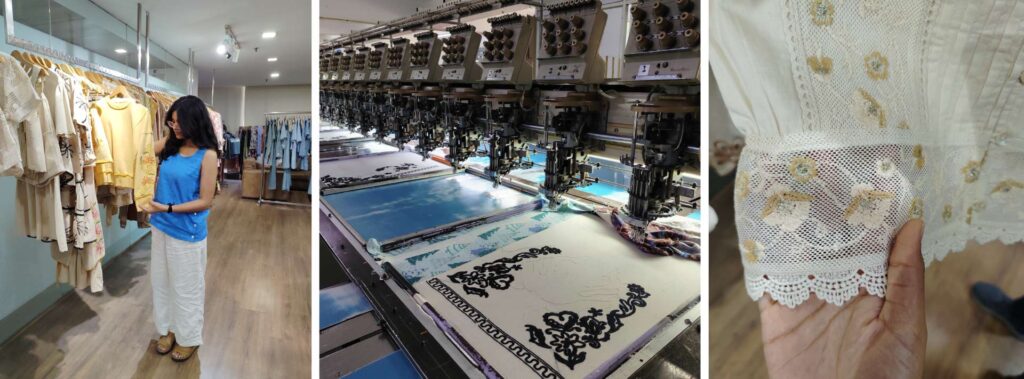
Choosing the right resortwear manufacturer requires more than trend alignment alone. Brands need production partners with the technical capability to handle delicate fabrics, embellishment, soft tailoring, and complex finishing techniques without compromising consistency or quality.
When evaluating a resortwear factory, brands should consider factors such as MOQ flexibility, sampling capability, fabric sourcing, embroidery expertise, lead times, compliance standards, and overall quality control. Print consistency and fabric handling are also critical, particularly for collections built around lightweight materials and relaxed silhouettes.
This is especially important because resortwear manufacturing often combines:
- lightweight fabrics,
- pleating,
- embroidery,
- custom dyeing,
- and draped construction techniques.
Factories that primarily specialize in structured basics may struggle with fabric drape, embellishment density, or the technical handling required for premium luxury resortwear collections.
This is where sourcing coordination becomes essential. Deepwear works closely with manufacturing partners across multiple regions to help brands align their collections with factories suited to their specific production requirements.
From factory matching and supplier communication to sampling coordination and quality oversight, Deepwear approaches resortwear sourcing from a practical manufacturing perspective focused on balancing quality, scalability, flexibility, and commercial viability.
How long does resortwear production take?
Production timelines depend on fabric availability, sampling revisions, embellishment techniques, and shipping logistics. Lightweight fabrics and artisanal detailing can extend development timelines if not managed properly.
What is the difference between swimwear and resortwear manufacturing?
Swimwear manufacturing typically focuses on technical stretch fabrics and performance construction, while resortwear manufacturing covers a broader range of woven fabrics, embellishment methods, tailoring, and lifestyle garments.

The Future of Resortwear Manufacturing
Resortwear now sits at the intersection of fashion, hospitality, travel, and lifestyle apparel. The category continues to evolve as brands look for garments that combine comfort, versatility, and premium presentation.
Success in this market depends on far more than trend forecasting alone. Strong resortwear production requires:
- fabric expertise,
- manufacturing coordination,
- technical precision,
- and sourcing flexibility.
As brands continue developing capsule collections, lightweight tailoring, and lifestyle-driven apparel programs, the importance of selecting the right production partners will only become more significant.
Whether you are developing a boutique capsule collection or scaling a global resortwear brand, choosing the right manufacturing partner is critical for balancing quality, sourcing flexibility, technical execution, and long-term growth.
Looking to develop your next resortwear collection with experienced sourcing and production support? Deepwear works with brands across multiple manufacturing regions to help bring premium resortwear collections to market efficiently. Start a conversation with our team today!