
Runway trends vs real demand: how Fall 2026 accessories translate into scalable products through sourcing, materials, and production strategy.
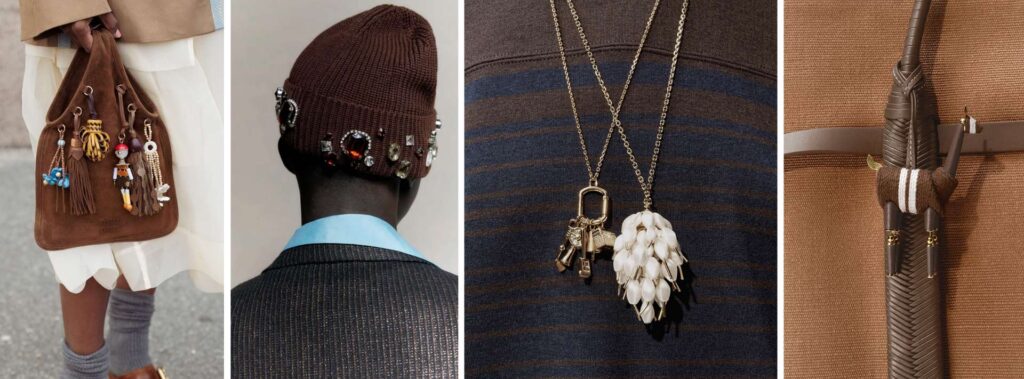
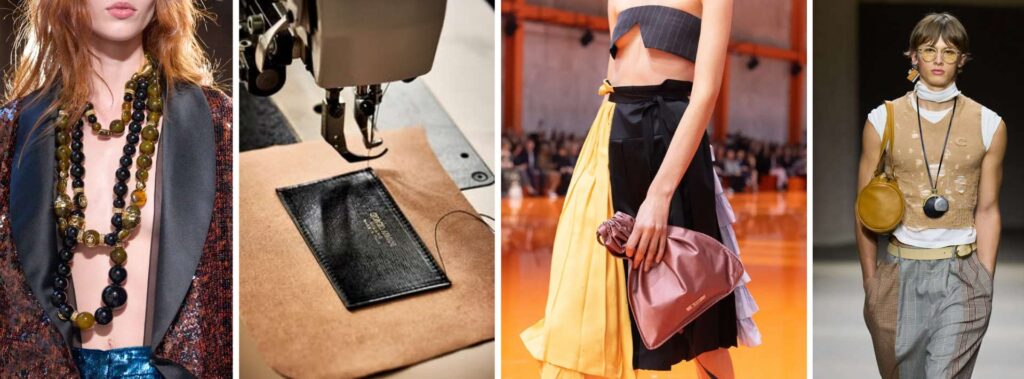
Each season, fashion weeks generate a clear set of accessory directions: embellished bags, layered jewelry, sculptural hats, delicate footwear, and a renewed focus on texture and surface, just to name a few.
These signals are widely reported and closely followed across the industry. For brands, they serve as a useful reference point: a snapshot of what designers are exploring and how visual direction is evolving.
At Deepwear, these observations are part of a broader process. Runway reporting is one input among many, alongside supplier insights, production data, and real-world adoption patterns. The objective is not to interpret trends at face value, but to assess which of these directions can translate into viable, scalable products.
This distinction becomes critical once ideas move beyond presentation and into production.
In this blog we cover:
- How to evaluate runway accessory trends for real-world production
- Which Fall 2026 trends scale and which require adaptation
- The role of sourcing, materials, and constraints in product success
- How Deepwear translates design concepts into production-ready products
Why long-term signals matter more than short-term trends
From Trend Visibility to Product Viability
Not every visible trend is designed to succeed in the market. Runway accessories often prioritize visual impact, experimentation, and storytelling. Production, however, operates under a different set of conditions:
- material availability
- manufacturing complexity
- cost structures
- durability and repeat use
- regional and climate relevance
The transition from runway to retail depends on how well a product performs under these conditions.
In our earlier analyses including Designing Beyond SS26: How Street Adoption, Material Intelligence, and Sourcing Strategy Shape What Endures and Why Data-Driven Sourcing Is Reshaping Fashion Production in 2026, we identified a consistent pattern: products that succeed are not necessarily the most visible, but the most adaptable.
Fall 2026 accessories reinforce this.
What Translates Into Scalable Product
Some directions move efficiently through production because they align with existing systems and consumer behavior.
1. Embellishment as a Value Driver
Beading, embroidery, and textured finishes continue to scale because they enhance perceived value without requiring entirely new materials. These techniques allow brands to differentiate products while maintaining control over sourcing and production.
2. Jewelry as a High-Performance Category
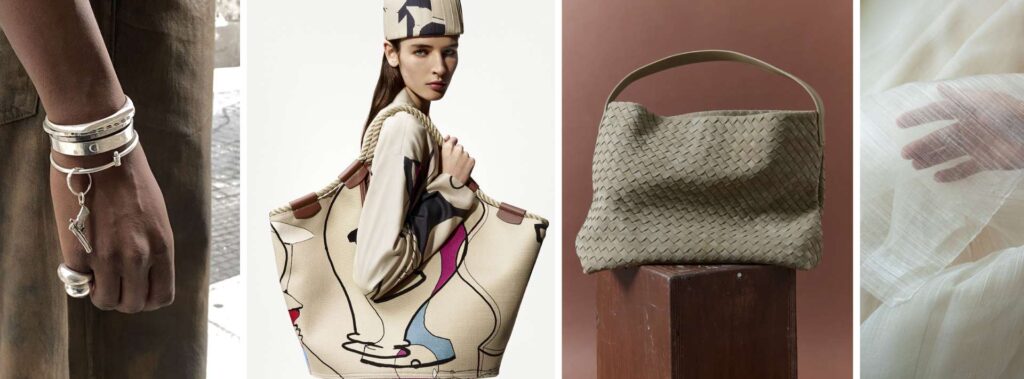
Layered, statement jewelry reflects a broader structural advantage. Accessories in this category are less constrained by sizing, easier to price across tiers, and more likely to generate repeat purchases. Their durability also supports long-term use, making them a stable component of any assortment.
3. Refined Core Bag Structures
Rather than introducing entirely new formats, many collections build on established shapes. This reflects a wider shift toward iteration such as updating proportion, material, or detailing rather than full reinvention. From a production perspective, this reduces risk while maintaining relevance.
If you are evaluating how these directions apply to your next collection, Deepwear works with brands to translate trend signals into production-ready strategies balancing design intent with cost, materials, and scalability. Send a message to our team.
What Requires Adaptation
Other runway directions function more as creative references than direct product opportunities.
1. Concept-Driven Accessories
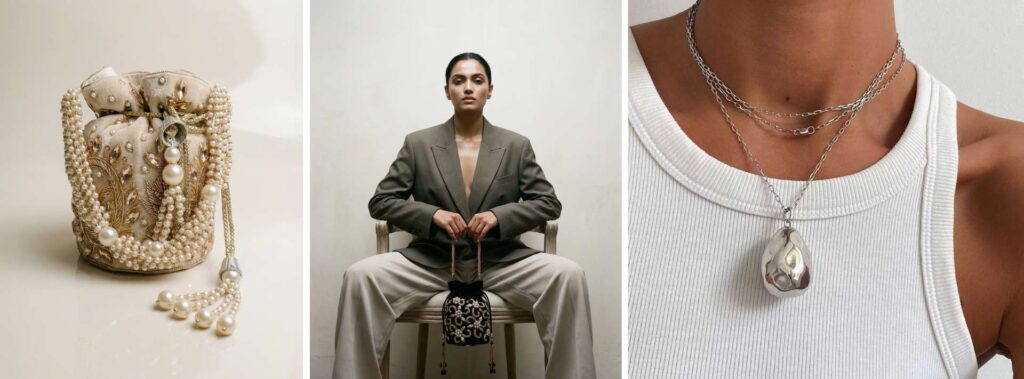
Compact or highly decorative bags, along with sculptural pieces, contribute to brand identity but often lack everyday usability. Their value lies in influencing design language rather than serving as core commercial products.
2. Occasion-Specific Footwear
Highly embellished or delicate shoes are effective in controlled environments but limited in frequency of use. Their role within a collection is typically complementary rather than foundational.
3. Nature-Inspired Direction
Organic textures and outdoor references appear consistently, but their impact is rarely literal. Instead, they translate into color palettes, fabric choices, and surface treatments that can be integrated into wearable products.
Where Deepwear Creates Tangible Value
The gap between concept and execution is where most brands face challenges. Ideas are rarely the issue, but alignment with production realities is. Deepwear operates within this space, helping brands translate direction into product without losing intent.
1. Turning Concepts Into Production-Ready Products
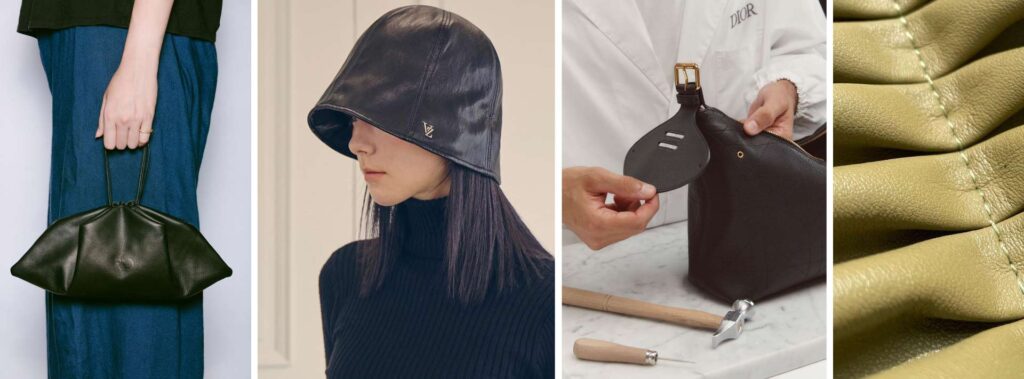
We work from initial design direction through to material selection, construction, and supplier alignment. The focus is consistency; we do our best to make sure that a product can be reproduced at scale, not just developed as a one-off sample. For emerging brands, this reduces costly development cycles, and for established brands, it improves efficiency across existing supply chains.
2. Sourcing as Strategy, Not Just Cost Control
Material and supplier decisions directly impact quality, lead times, and scalability. By working across multiple sourcing regions, we help brands evaluate trade-offs clearly: balancing cost, durability, and production requirements without compromising design intent.
3. Bridging Creative Direction and Production Reality
Deepwear acts as the interface between design and manufacturing:
- translating creative concepts into feasible specifications
- refining details to improve durability and repeat use
- aligning product categories with realistic demand
The goal is not to simplify ideas, but to ensure they perform beyond the initial concept stage.
4. Building Products That Extend Beyond One Season
A more sustainable approach to growth is developing products that evolve over time:
- designs that can be reordered without inconsistency
- materials that maintain performance across multiple runs
- products that integrate into long-term assortments
Beyond Constraints: Where Innovation Happens
Constraints are often viewed as limitations. In practice, they define the conditions under which innovation occurs. Material restrictions can lead to alternative fabrics with improved durability. Cost targets can drive more precise design decisions. MOQ requirements can encourage tighter, more focused collections.
Rather than limiting creativity, these factors refine it. These factors can force clarity in what a product needs to achieve and how it will be used.
Innovation, in this context, is not about removing constraints. It is about working within them to produce better outcomes.
From Trends to Signals
Across both SS26 and Fall 2026, a consistent distinction emerges:
- Trends describe what is currently visible
- Signals indicate what is likely to persist
Signals share common characteristics:
- repeat usability across contexts
- alignment with material and production realities
- adaptability within existing supply chains
- flexibility in pricing and positioning
These factors determine whether a product remains relevant beyond its initial launch.
How should brands use runway trends when planning collections?
Runway trends should be treated as directional input rather than final decisions. They highlight creative movement in the industry, but require validation through sourcing feasibility, cost structures, and real-world usability. Brands that successfully translate trends are those that adapt them and align visual direction with production realities, rather than attempting to replicate runway concepts directly.
Aligning Direction With Reality
Runway collections play an essential role in shaping creative direction. They introduce ideas that push the industry forward and define seasonal narratives.
However, successful products are not defined by visibility alone. They are defined by their ability to function within real-world conditions such as how they are made, how they are worn, and how often they are chosen again.
By combining market observation with sourcing and production expertise, brands can move beyond trend interpretation and focus on what ultimately matters: creating products that are not only visually compelling, but commercially and operationally viable.
Looking to translate your next collection into products that are both commercially viable and production-ready? Send a message to our team!