
Synthetic fabrics dominate fashion, but rising geopolitical risks threaten supply and costs. Discover how Deepwear helps brands build resilient, scalable, and sustainable garment production strategies in 2026.
The global fashion industry has quietly become dependent on one material category above all others: synthetic fibers. What began as a technological innovation has evolved into a structural reliance. It is what now underpins everything from fast fashion production to performance apparel.
However, this dependence comes with risk. As geopolitical tensions and supply chain disruptions, particularly in key oil-producing regions intensify, the cost and availability of these materials are no longer guaranteed. The question is no longer whether fashion will be affected, but how deeply.
At Deepwear, we see this moment as more than a supply issue. It is a systemic inflection point for fashion manufacturing, material sourcing, and long-term sustainability.
In this blog we cover:
- The global fashion industry’s dependence on synthetic fibers
- How geopolitical and oil market disruptions impact textile supply chains
- Why natural fibers cannot fully replace synthetics at scale
- The structural waste problem and limits of circular fashion today
- How Deepwear approaches smarter material sourcing and resilient production strategies
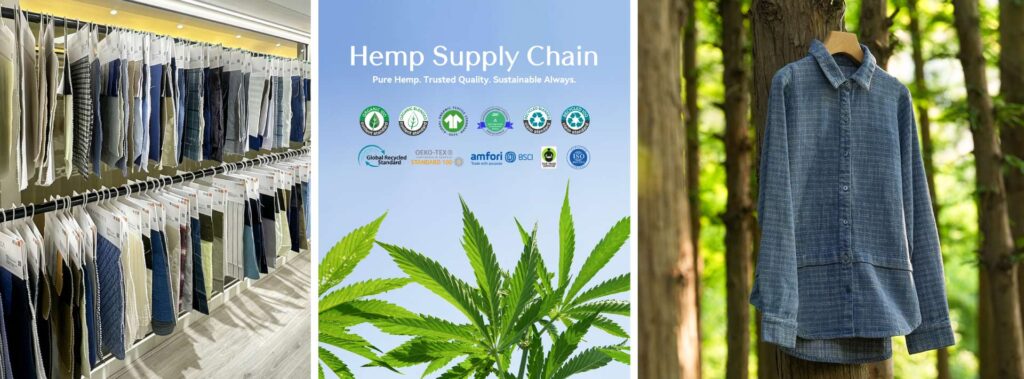
The Scale of Synthetic Dependence in Fashion
According to a 2025 report from Textile Exchange, global fiber production has more than doubled from 58 million tonnes in 2000 to over 132 million tonnes in 2024. Today, synthetic fibers account for approximately 69% of all materials used in clothing, with polyester alone reaching nearly 78 million tonnes annually.
This growth has been driven by one factor above all: scalability.
- Synthetic fibers are cheap to produce
- They are durable and performance-driven
- They enable mass production at global scale
At the same time, global clothing production has surged, with over 100 billion garments produced annually. Consumers are buying 60% more clothing than they did in 2000, while wearing each item significantly less.
The result is a system built not on necessity, but on acceleration.
The Geopolitical Risk: Why Synthetic Fibers Are Vulnerable
Most synthetic textiles, including polyester, nylon, and acrylic, are derived from petrochemicals. This ties fashion directly to global oil markets and, by extension, geopolitical stability.
In the event of a Gulf supply disruption or broader energy crisis:
- Polyester prices increase
- Manufacturing costs rise
- Supply chains slow down
- Margins tighten across the industry
The modern fashion industry is not just material-dependent; it is energy-dependent. For brands operating on thin margins and rapid production cycles, even small fluctuations in input costs can create outsized disruption.
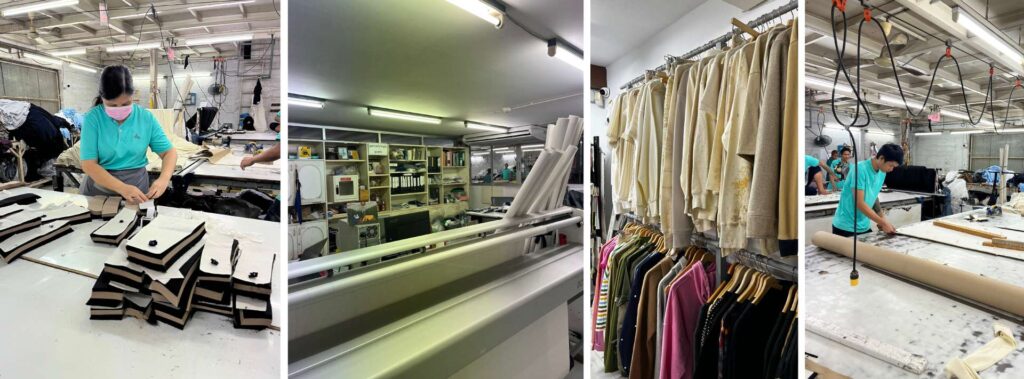
Can Natural Fibers Replace Synthetics?
In response to rising costs and sustainability concerns, natural fibers are often positioned as the solution. However, a large-scale shift is far more complex than it appears.
1. Scale Constraints: Replacing synthetic fibers would require substituting over 90 million tonnes of material annually. Natural fiber systems such as cotton, wool, or linen are not currently equipped to scale at that level without significant expansion.
2. Environmental Trade-Offs: Natural does not automatically mean sustainable.
- Cotton is highly water-intensive and often pesticide-heavy
- Wool carries emissions and land-use concerns
- Even lower-impact fibers like linen and hemp face processing and infrastructure limitations
At current consumption levels, a full transition could shift environmental pressure rather than reduce it.
3. Cost Implications
Natural fibers are typically more expensive to produce. A sudden shift would likely:
- Increase retail prices
- Create a divide between premium and low-cost markets
- Limit accessibility for price-sensitive consumers
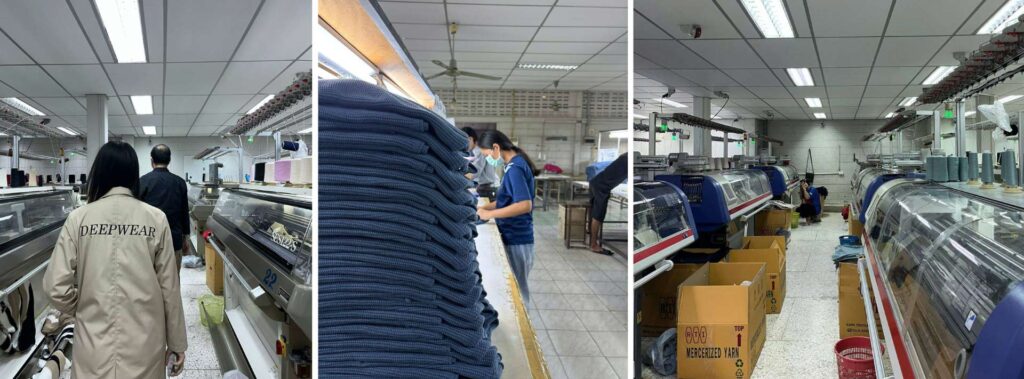
The Waste Problem: A System That Isn’t Circular
Beyond production, the fashion industry faces a more fundamental issue: waste.
- 92 million tonnes of textile waste are generated every year
- Less than 1% of materials are recycled into new clothing
Despite growing interest in circular fashion, the system remains largely linear. Most garments are discarded within a few years, with a significant portion ending up in landfills or exported to secondary markets that lack the infrastructure to manage them. The challenge is not just what materials we use, but how much we produce and how long we use it.
Performance vs Sustainability: A Necessary Balance
Synthetic fibers dominate not just because they are cheap, but because they perform.
They offer:
- Moisture-wicking properties
- Elasticity and shape retention
- Durability across repeated washing cycles
Natural fibers, while more breathable and biodegradable, do not always meet these performance standards particularly in activewear, outerwear, and technical applications.
However, this creates a practical constraint:eliminating synthetics entirely is not realistic. The focus must shift toward strategic use, not total replacement.
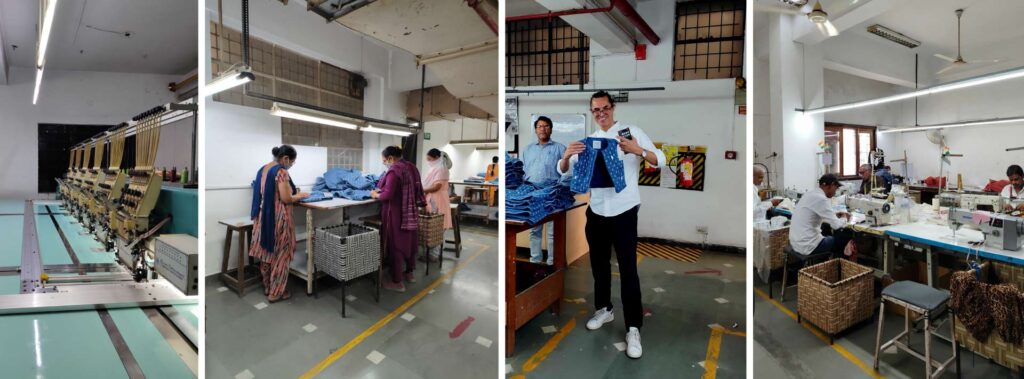
Can natural fibers replace synthetic fabrics completely?
Natural fibers cannot fully replace synthetics at current production levels due to limitations in land, water, and scalability. A balanced approach that combines both material types is more practical for maintaining supply while reducing environmental impact.
What a Smarter Material Strategy Looks Like
Our team approaches this challenge through material optimization, not material elimination.
1. Functional Use of Synthetics
Synthetic fibers should be reserved for applications where performance is essential:
- Sportswear
- Technical garments
- Protective and medical textiles
At Deepwear, we’ve found that performance-driven categories are where synthetics deliver the most value. Attempting to replace them entirely in these areas often leads to compromises in durability, consistency, or cost efficiency.
2. Natural Fibers for Everyday Wear
For non-performance categories, natural and biodegradable fabrics offer a more responsible alternative, particularly when sourced and processed sustainably.
In practice, our team often sees the strongest results when natural fibers are used in categories where comfort, breathability, and wearability are prioritized over technical performance. This allows brands to reduce synthetic reliance without affecting product expectations.
3. Reduced Production Volume
One of the most effective ways to reduce environmental impact is to produce less:
- Fewer collections
- Seasonless design
- Longer product lifecycles
4. Intelligent Manufacturing
Demand-driven production and smaller batch runs can significantly reduce overstock and waste.
At Deepwear, our team works with brands to align garment manufacturing strategies with real-world constraints, ensuring that sustainability goals remain practical, scalable, and commercially viable. Schedule a consultation with our teams.
Rethinking Growth in Fashion
If current trends continue, global fiber production is projected to reach 169 million tonnes by 2030. This raises a fundamental question: can the industry continue expanding at this rate without compounding its environmental impact?
This tension reflects a broader shift that has taken place over decades.
Fashion has moved from a system rooted in natural fibers and seasonal cycles to one defined by synthetic scalability and continuous production. Each phase introduced efficiencies, but also new vulnerabilities.
At Deepwear, this evolution has been experienced directly.
Our founder, Thoray d’Haese Sacoor, established Deepwear in 2007, with experience in the industry extending well before that. Having worked through multiple production cycles—from traditional manufacturing systems to today’s high-volume global supply chains—he has seen how quickly production models adapt, and how slowly their long-term consequences emerge.
Across these cycles, one pattern remains consistent:
Systems optimized purely for speed and cost are the most fragile under disruption.
The COVID-19 pandemic reinforced this. Supply chains stalled, production halted, and timelines became unpredictable. Yet it also demonstrated the industry’s ability to adapt under pressure, as manufacturers shifted toward producing essential goods.
This adaptability, however, is reactive.
The challenge now is building resilience into the system before disruption occurs. This includes:
- Moving away from constant high-volume output
- Developing more flexible production models
- Designing products with longer lifecycles
Growth, in this context, becomes less about volume and more about efficiency, resilience, and longevity.
The Path Forward
Ultimately, there is no single solution to the challenges facing fashion manufacturing. Material substitution alone is insufficient, and innovation alone cannot offset the scale of production.
What remains is a need for structural adjustment.
At Deepwear, our team has worked through multiple periods of disruption: economic shifts, supply chain instability, and material shortages. These moments consistently reveal the same issue: over-optimization for cost and speed reduces resilience.
A more balanced system is emerging:
- Strategic use of synthetic fibers, limited to functional applications
- Responsible use of natural materials, where they offer clear advantages
- Demand-aligned production, reducing excess inventory
- Longer-lasting garment design, extending product lifecycles
These shifts are incremental, but necessary.
Experience does not eliminate uncertainty, but it provides context. Having navigated previous cycles, our team approaches current challenges with a clearer understanding of what holds under pressure.
The industry will continue to evolve. The difference now is the level of constraint: environmental, economic, and geopolitical that shapes that evolution.
If you are evaluating your next collection or reassessing your supply chain, it is worth approaching these decisions with a clearer framework. Contact us to discuss your manufacturing needs and explore how your production strategy can adapt to changing market conditions.