
The Factory-Floor Test: How to Evaluate a Fashion Supply Chain Consultant Before Trusting Them With Your Production
Choosing a fashion supply chain consultant requires more than reviewing a résumé, supplier network, or polished website. The right partner brings relevant manufacturing experience, technical knowledge, current market intelligence, and the judgment to make better production decisions.
Fashion brands have access to more sourcing information than ever. Manufacturers can be found through online directories, sourcing platforms, trade shows, LinkedIn, and industry networks. A consultant can establish a professional presence with little more than a website, industry credentials, and a list of supplier contacts.
The difficulty is determining what sits behind that presentation.
Manufacturing problems rarely announce themselves in advance. A factory can appear capable while lacking the machinery needed for a particular product. A production schedule can look reasonable until material procurement and capacity are considered. A competitive quotation can become considerably more expensive once omitted processes or quality issues emerge.
For a brand without its own manufacturing team, the consultant’s judgment becomes part of its supply chain.
That makes relevant, hands-on experience a valuable asset. The number of years someone has spent in fashion tells only part of the story. What matters is the depth and breadth of the work behind those years, how recently that knowledge has been applied, and whether it remains relevant to today’s manufacturing environment.
In this blog we cover:
- What to look for in a fashion supply chain consultant beyond years of experience
- How to assess a consultant’s factory-floor and technical manufacturing expertise
- Five questions to ask before trusting a consultant with your production
- Why current local knowledge matters alongside accumulated industry experience
- How Deepwear’s manufacturing experience helps brands make better sourcing decisions
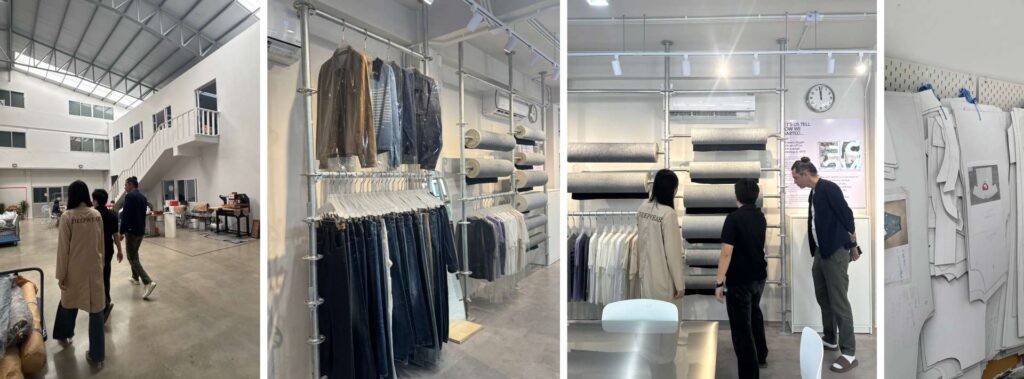
What Does a Fashion Supply Chain Consultant Actually Do?
A fashion supply chain consultant can sit between a brand’s creative requirements and the operational realities of manufacturing.
Depending on the project, the role may involve:
- Factory and supplier sourcing
- Factory verification
- Product development
- Costing and negotiation
- Production planning
- Quality control
- Production monitoring
- Logistics coordination
- Supply chain risk management
Each area requires judgment.
Finding a manufacturer is relatively straightforward. Finding a manufacturer that can produce a particular garment, at the required quality, volume, cost, and timeline requires considerably more knowledge.
Deepwear’s previous work on Supplier Evaluation in Fashion Manufacturing examines this from the factory side, showing why capacity, technical capabilities, workflow, quality systems, communication, and transparency need to be assessed before production begins.
The same principle applies to the people advising the brand.
The Factory-Floor Test: Five Questions to Ask Before Hiring a Consultant
Deepwear’s experience across thousands of manufacturing relationships provides a useful benchmark for evaluating fashion sourcing consultants. Five areas are particularly revealing.
1. How Much Direct Factory Experience Do They Have?
There is a difference between knowing how fashion manufacturing works and having spent years dealing directly with factories, production teams, technicians, suppliers, and factory management.
Direct exposure creates practical knowledge that becomes useful when conditions change. Relevant experience includes dealing with delayed materials, failed samples, capacity constraints, quality problems, production bottlenecks, and disagreements over specifications.
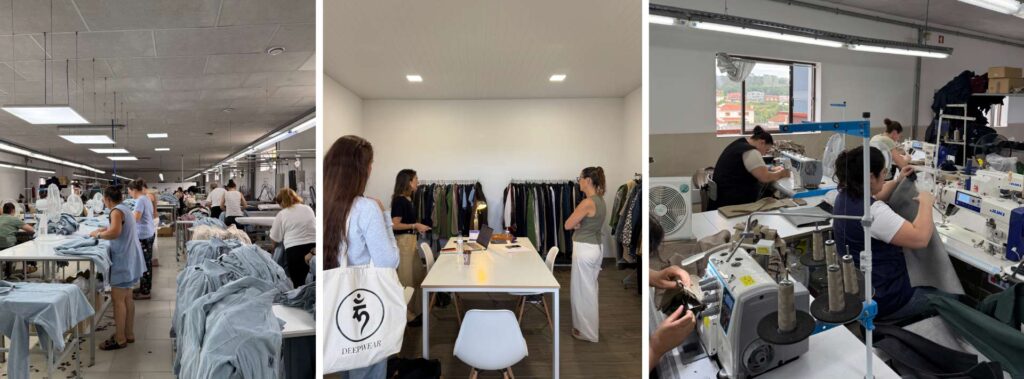
Factory visits are essential to meaningful factory verification. A supplier profile, video call, factory presentation, or certification document can provide useful information, but they cannot provide the same visibility as seeing production operations firsthand. When production value is significant, physical factory verification should be treated as an essential part of supplier assessment.
Deepwear’s factory experience has been built through extensive work on the ground, including more than 1,000 factory visits across Europe, Asia, Turkey, and Morocco. That exposure allows our teams to compare factories across markets and identify operational patterns.
What to look for: specific experience with factories, product categories, manufacturing markets, and actual production responsibilities.
Factory capability cannot be verified from a supplier profile alone. Deepwear assesses manufacturers against the technical, operational, and commercial requirements of each project. Explore Deepwear’s factory sourcing and verification services.

2. Can They Evaluate Technical Manufacturing Capability?
A consultant should be able to explain why a particular factory is suitable for a particular product, rather than simply showing that the factory has produced something similar before.
Ask them what they would examine: machinery, construction methods, workforce expertise, production processes, finishing capabilities, quality systems, material requirements, tolerances, and expected production volume.
A factory capable of producing basic jersey garments may have little experience with structured tailoring, technical outerwear, lingerie, swimwear, footwear, or complex embellishment. Product category matters, and so does the level of technical complexity within that category.
Ask the consultant to explain how they would verify the match between your product and the factory’s capabilities. If the answer relies primarily on a supplier’s catalogue or previous product photos, there may be a gap between sourcing and genuine manufacturing assessment.
Deepwear evaluates manufacturers against the technical, operational, and commercial requirements of each project.
Need to assess more than whether a factory “makes similar products”? Book a consultation with Deepwear to discuss the technical criteria that should be examined for your collection.
3. Can They Identify Problems Before Production Starts?
Manufacturing expertise becomes especially valuable during the stages where problems are still relatively inexpensive to correct.
A strong consultant needs to be able to identify potential risks during:
- Tech-pack review
- Material selection
- Sampling
- Factory selection
- Costing
- Production planning
Consider fabric shrinkage. If its behavior is not properly accounted for during development, the consequences can appear later as distorted measurements, poor fit, rejected samples, or production rework.
The same applies to timelines. A factory’s promised lead time needs to be considered alongside material availability, production capacity, sampling approvals, finishing, inspection, and shipping requirements.
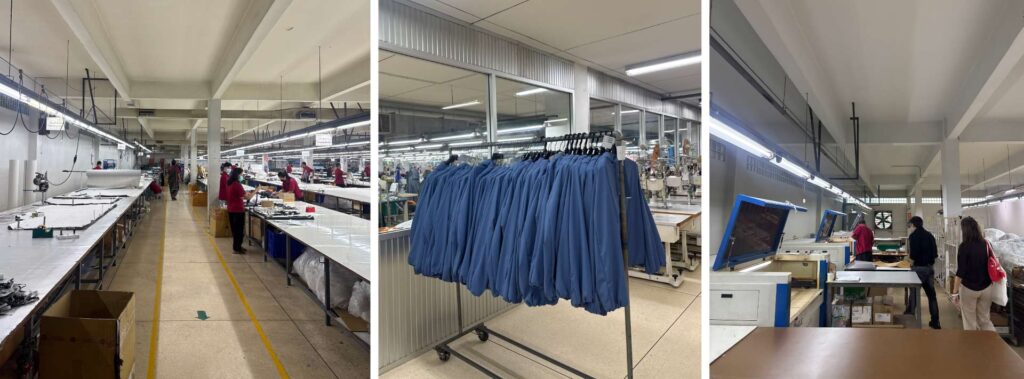
These are only a few of the variables a consultant should be able to discuss. A proper production assessment can involve many more. Deepwear’s approach to manufacturing risk is built around identifying these variables before they become larger production problems.
Want to know which questions should be asked before production begins? Book a consultation with Deepwear for a more detailed assessment of your sourcing and manufacturing requirements
4. Can They Challenge a Factory’s Claims?
A sourcing consultant’s value extends beyond maintaining a large supplier database.
Factories can provide information about their machinery, capacity, certifications, lead times, MOQs, pricing, and previous clients. Those details provide a starting point. A consultant should be able to explain how those claims are verified.
Ask questions such as:
- How do you verify a factory’s stated production capacity?
- Do you physically visit the facility?
- How do you assess whether machinery is actually available for our production?
- How do you validate stated MOQs and lead times?
- What happens when a factory’s claims do not match its actual capabilities?
- How do you compare one supplier’s quotation with alternatives?
Deepwear’s direct factory assessments allow its teams to examine production organization, workflow, quality-control practices, machinery, capacity, and operating conditions rather than relying exclusively on information supplied remotely.
The same scrutiny applies to commercial terms. A factory’s MOQ may have a genuine production rationale. A quotation may reflect particular material or finishing requirements. A lead time may depend on capacity being available at a specific point in the production calendar.
A consultant should be able to explain the reasoning behind the recommendation, not simply present the recommendation itself.
If you want to understand the wider criteria used to evaluate factories and commercial proposals, book a consultation with Deepwear and discuss your specific production requirements with the team.
5. Is Their Experience Still Relevant?
Manufacturing knowledge has to keep moving.
Production technologies evolve. Sourcing markets develop. Compliance requirements change. New manufacturing capabilities emerge, while established production hubs adapt to new commercial conditions.
A consultant with substantial historical experience therefore needs to remain engaged with the current industry.
Deepwear combines accumulated industry knowledge with teams operating across 17 global offices, maintaining local relationships and current market visibility across international sourcing regions.
That combination gives established experience a practical advantage: historical knowledge can be tested against what is happening in the market now.
What Deepwear’s Factory Experience Means for Brands
There is no universal number of years that determines whether someone is a competent consultant.
However, a long career can provide valuable supplier relationships, technical knowledge, pattern recognition, and commercial experience. Those advantages become stronger when the consultants remain current and continue to be applied across different products and manufacturing environments.
For a brand, useful experience can be assessed through five factors:
- Depth: direct involvement in manufacturing and production
- Breadth: exposure to different products, factories, and markets
- Recency: continued engagement with today’s industry
- Application: responsibility for real production decisions
- Adaptability: ability to work with changing technologies, regulations, and sourcing conditions
Deepwear’s accumulated experience gives our teams a substantial reference base. A new supplier can be compared with previous manufacturing partners. A quotation can be assessed against market experience. A production problem can be recognized against similar situations encountered elsewhere.
Still evaluating your sourcing partner? Deepwear can assess your production requirements, sourcing strategy, and manufacturing options before you commit significant capital. Contact the Deepwear team for a sourcing consultation.
What should a fashion supply chain consultant be able to explain that a sourcing platform cannot?
A sourcing platform can provide supplier names, product categories, locations, and basic company information. An experienced fashion supply chain consultant should be able to interpret that information: whether a factory’s capabilities genuinely match the product, whether its pricing and lead time are realistic, what operational risks may exist, and how the supplier compares with alternatives. That layer of judgment is particularly valuable when a brand lacks its own manufacturing team.
Build Your Supply Chain on Proven Manufacturing Expertise
Your sourcing decisions affect product quality, production timelines, margins, and the capital required to bring a collection to market.
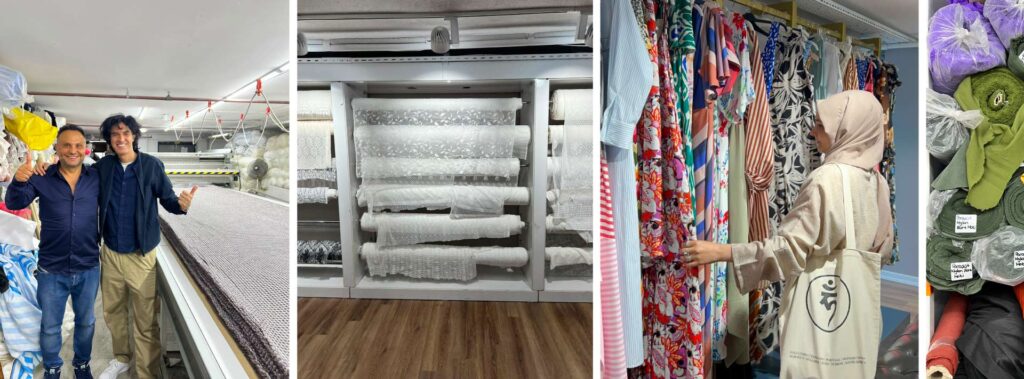
Deepwear combines decades of fashion industry experience, factory-level knowledge, international sourcing expertise, and local teams on the ground to help brands make informed manufacturing decisions.