
Discover how ancient weaving and heritage textiles are shaping modern fashion. Deepwear helps brands navigate responsible textile sourcing, artisan partnerships, and the right manufacturing strategy.
When audiences watch historical stories brought to life on screen, they are often drawn to the architecture, costumes, and visual world surrounding the characters. Yet behind many of these images is a craft that has shaped civilizations for thousands of years: textile weaving.
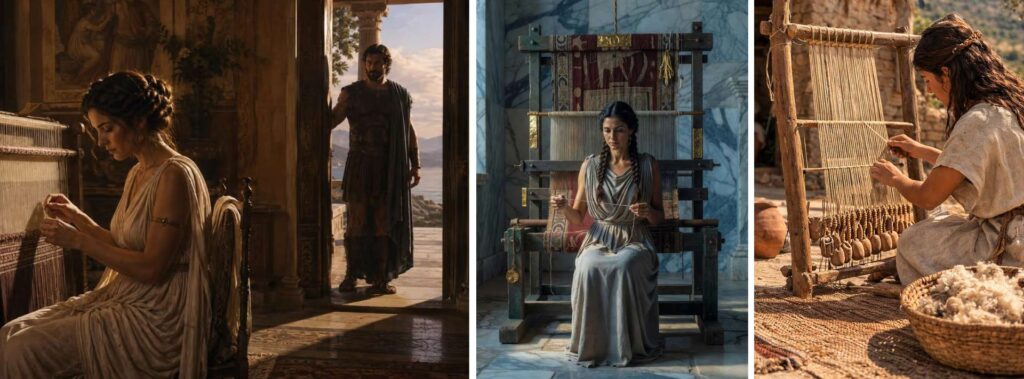
In The Odyssey, Penelope’s legendary weaving of Laertes’ burial shroud represents far more than a plot device. Her loom becomes a symbol of patience, technical skill, intelligence, and control over her own fate. The story reflects a time when creating textiles required specialized knowledge, from preparing fibers and selecting dyes to maintaining the precise tension needed to transform threads into finished fabric.
While modern audiences may encounter these traditions through film adaptations, the value of ancient weaving extends far beyond historical storytelling. Across civilizations, textiles represented trade, wealth, identity, and cultural memory. A woven garment was not simply something worn. It carried the knowledge of the people who created it.
This renewed attention toward traditional craftsmanship raises an important question for the fashion industry: how can brands engage with heritage textiles without reducing centuries of knowledge into a surface-level aesthetic?
For fashion companies exploring luxury textile sourcing, the answer is not simply finding a fabric that resembles an ancient reference. It requires understanding where techniques come from, who preserves them, and how these skills can be incorporated into modern collections through responsible partnerships.
In this blog we cover:
- The renewed interest in ancient weaving and textile craftsmanship
- Why the Bronze Age was more colorful and technically sophisticated than modern stereotypes suggest
- How brands can work responsibly with heritage textiles and living cultural traditions
- The difference between artisan production, specialist textile mills, and large-scale manufacturing
- Key countries where textile heritage meets modern fashion manufacturing and global sourcing
Beyond the Myth: How Skilled Was Ancient Textile Production?
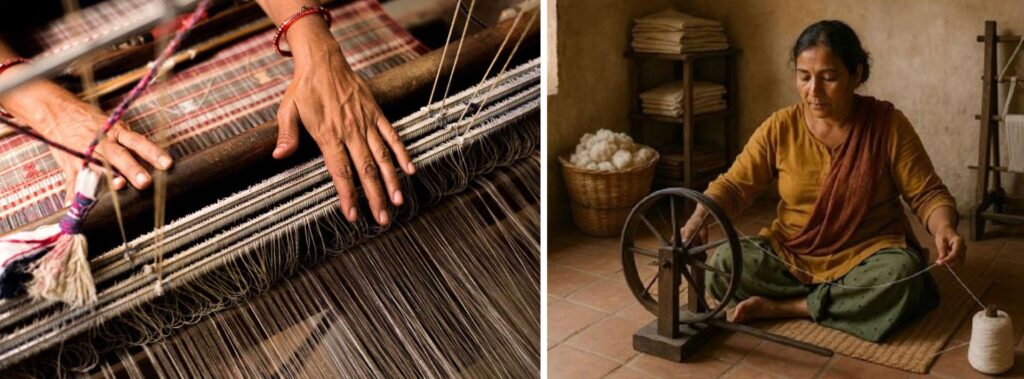
The image of ancient weaving is sometimes simplified into a romantic idea of people creating cloth by hand. However, historical textile production was a highly developed technical process. Producing a finished textile required knowledge of fiber preparation, spinning, dyeing, weaving structures, and decorative techniques.
Before fabric reached a loom, textile makers needed to understand the characteristics of different materials. Wool required different handling compared to linen, silk, or plant-based fibers. The quality of the final textile depended on decisions made throughout the entire process, from harvesting raw materials to controlling thread consistency.
This level of expertise remains relevant to modern fashion manufacturing because many premium textiles still depend on specialized knowledge. Whether a fabric is produced on an industrial loom or created by an artisan, quality is determined by understanding materials, production methods, and attention to detail.
For brands seeking distinctive collections, traditional techniques can offer something that mass production often cannot: a direct connection between the material and the people who create it. This is why artisan textile sourcing has become an important consideration for designers looking beyond standard fabric options.
However, working with heritage techniques requires more than identifying an attractive pattern or textile style. Many weaving traditions are connected to specific communities, regions, and cultural histories. The value of these textiles comes not only from their appearance but from the knowledge systems behind them.
The Bronze Age Was More Colorful Than Modern Interpretations Suggest
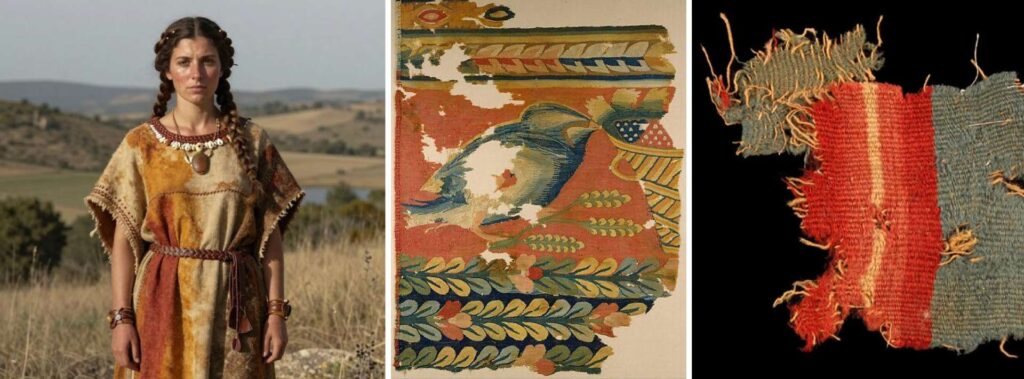
Popular portrayals of ancient Mediterranean clothing often focus on neutral linen garments, white marble-inspired aesthetics, and simplified silhouettes. However, historical evidence suggests that many ancient societies had a much richer relationship with color, decoration, and textile design.
Ancient textile producers worked with natural dyes derived from plants, minerals, and other organic materials to create vibrant shades. Reds, blues, yellows, and purples were valuable indicators of craftsmanship, trade connections, and social status. Decorative borders, woven patterns, and intricate details added visual complexity to garments and textiles.
This matters for modern designers because historical inspiration does not need to mean recreating a muted or minimal aesthetic. The past can provide inspiration for collections that explore color, texture, and material innovation.
At the same time, historical costume design requires interpretation. Films and television productions must balance archaeological research with storytelling, character development, and artistic direction. A costume created for a historical adaptation is not always a perfect reconstruction, and different designers may make different choices based on available evidence.
For fashion brands, the lesson is not to copy a cinematic interpretation of ancient clothing. Instead, it is to understand the craftsmanship, techniques, and cultural significance that inspired those designs in the first place.
This approach is especially important when working with traditional weaving techniques and cultural heritage fashion. The goal should not be extracting visual elements from communities but creating meaningful collaborations that respect the people who continue to preserve these skills.
Planning a collection inspired by traditional craftsmanship? Speak with Deepwear to explore responsible sourcing solutions tailored to your product category, production volume, and market goals.
From Ancient Looms to Modern Fashion: Why Woven Textiles Are Capturing Attention
The renewed interest in weaving reflects a larger shift in how consumers and designers think about clothing. Beyond trends and seasonal aesthetics, there is growing appreciation for materials that have a story, a process, and a connection to human craftsmanship.
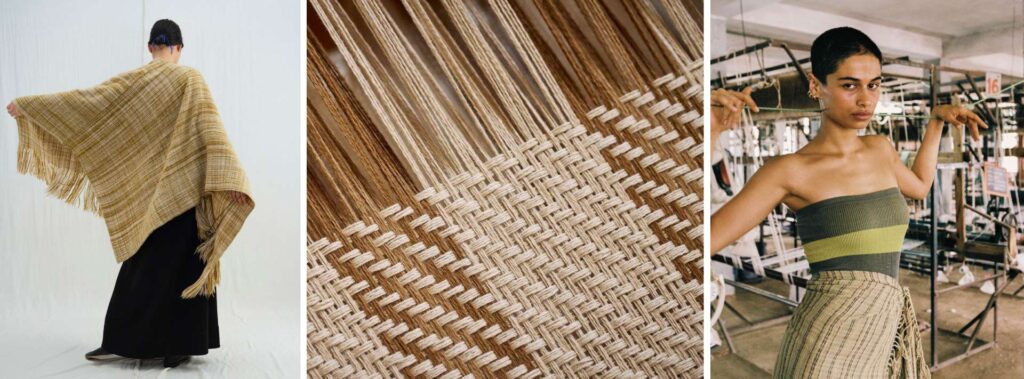
For luxury and premium fashion brands, woven textiles provide opportunities to create products with stronger identities. Jacquards, handwoven fabrics, embroidered materials, and specialty textiles allow designers to communicate craftsmanship through the physical structure of a garment.
However, translating heritage techniques into commercial fashion requires careful planning. A textile created by an artisan workshop may not follow the same production model as a large-scale manufacturing facility. Some techniques depend on individual expertise, regional knowledge, and production timelines that cannot simply be replicated through industrial processes.
This is where experienced sourcing partners become valuable. Deepwear helps brands understand the difference between a textile that can be scaled through established manufacturing networks and one that requires direct collaboration with specialist artisans or heritage producers.
With experience across global production regions, including Thailand, India, Turkey, Portugal, Morocco, China, Vietnam, and other textile hubs, Deepwear works with brands to identify suitable production approaches based on their goals, quality expectations, and ethical sourcing requirements.
The future of textile innovation may not come from abandoning traditional methods. It may come from understanding them better and building responsible connections between heritage craftsmanship and modern fashion production.
From artisan-made textiles to commercially scalable production, Deepwear helps brands bridge the gap between creative vision and manufacturing reality.
Working Responsibly with Heritage Textiles
Working with heritage textiles requires more than finding a manufacturer that can reproduce a particular look. Weaving techniques, dyes, embroidery, motifs, and textile structures can represent generations of cultural knowledge, and some may carry legal, cultural, or national protections.
Before production begins, brands should understand where a textile comes from, who preserves the technique, and whether direct collaboration or permission is required. This may involve working with artisans or cooperatives, providing fair compensation and recognition, and avoiding the commercial replication of culturally significant designs without proper research or consultation.
The next question is practical: who is the right production partner?
Not every heritage textile belongs in a large-scale factory. Some depend on specialist artisans, traditional looms, or small-batch production. Others can be adapted through specialist mills or manufacturers without losing the qualities that make the textile distinctive.
This is where Deepwear helps brands move from inspiration to a workable responsible textile sourcing strategy. Through our global network and local presence across key production regions, we help evaluate the right production model based on the textile, product requirements, expected volumes, and quality standards.
Depending on the project, this can include assessing:
- Artisan and supplier capabilities
- Production methods and scalability
- Material sourcing and sustainability
- Quality control requirements
- Production timelines
- The balance between craftsmanship and commercial viability
Deepwear’s role is not to force every textile into the same manufacturing model. It is to help brands identify whether a project is best suited to an artisan producer, specialist textile mill, established manufacturer, or a combination of partners.
For a broader look at material selection and supplier evaluation, see our guide to Sustainable Fabrics.
The strongest cultural heritage fashion projects respect the knowledge behind the textile while building a supply chain capable of supporting the product. Traditional craftsmanship and modern fashion manufacturing can work together, but only when brands understand what should be preserved, what can be adapted, and who should be involved in the process.
Countries Where Textile Heritage Meets Modern Manufacturing
Heritage textiles exist within complex ecosystems. Some regions are known for centuries-old artisan traditions, while others have developed advanced manufacturing infrastructure capable of bringing textile innovation to global markets.
Understanding these differences helps brands choose the right sourcing approach. Deepwear works across multiple production regions, connecting brands with suitable partners based on craftsmanship requirements, product category, and manufacturing goals.
The following regions demonstrate how traditional textile knowledge and modern fashion production can work together:
India: A Global Center for Textile Craftsmanship
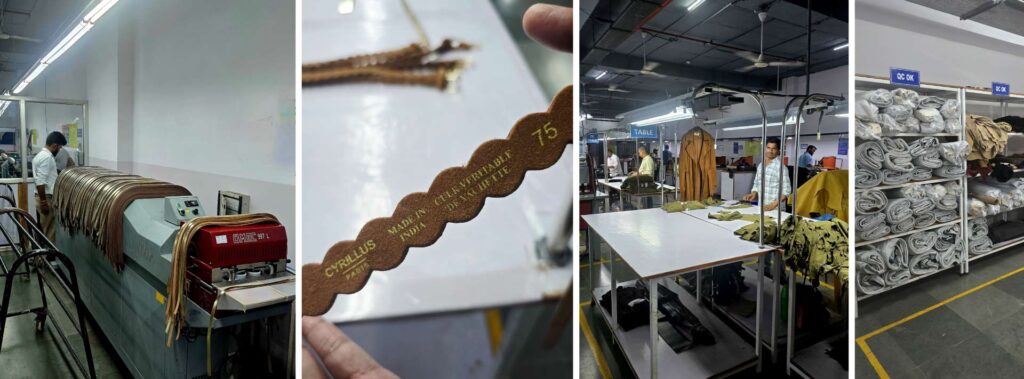
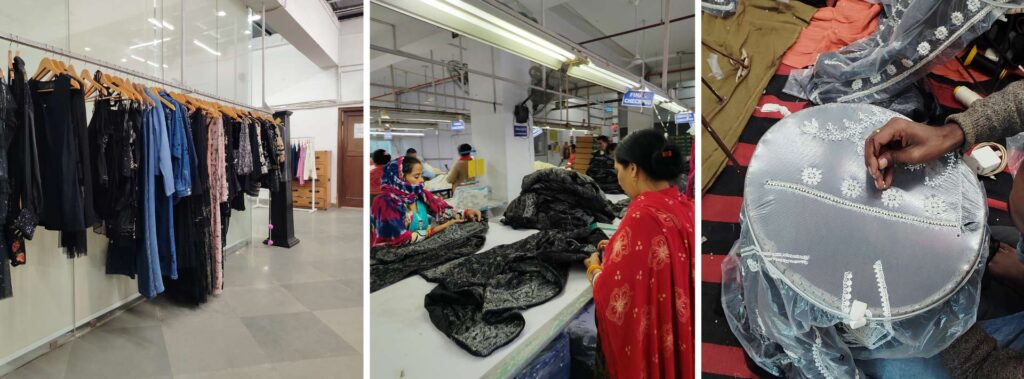
India has one of the world’s richest textile histories, with expertise in handloom weaving, embroidery, natural dyeing, and specialized fabric development. Many artisan communities continue to preserve techniques that have been passed down through generations.
For brands exploring heritage textile sourcing, India offers opportunities to work with skilled producers who combine traditional knowledge with contemporary fashion requirements.
This connection between craftsmanship and modern luxury is explored further in our blog Forgotten Textiles in Luxury Fashion: A Realistic Revival Strategy for Sustainable Sourcing (2026), which examines how brands can approach heritage materials without treating them as temporary trends.
Thailand: Preserving Silk and Regional Weaving Traditions
Thailand’s textile heritage includes distinctive silk traditions and regional weaving communities that continue to produce highly valued fabrics. These textiles demonstrate how cultural knowledge, natural materials, and artisan expertise contribute to unique fashion products.
Brands interested in Thai textiles should approach sourcing through collaboration and respect for the communities maintaining these traditions.
Deepwear’s coverage about Thai Silk: Heritage, Craftsmanship, and Global Luxury Sourcing explores how traditional Thai silk production connects cultural heritage with international fashion opportunities.
Turkey: Where Heritage Textiles Meet Industrial Capability
Turkey represents a strong example of how textile history can exist alongside large-scale fashion manufacturing. The country has centuries of experience in weaving and textile trade while also supporting modern production for international brands.
For brands looking for luxury textile suppliers, Turkey provides access to both heritage craftsmanship and advanced manufacturing capabilities.
Deepwear’s experience in textile-producing regions allows brands to explore Turkish production through a wider understanding of supplier capabilities, quality systems, and production requirements.
Portugal and Italy: Luxury Textile Development
Portugal and Italy remain important destinations for premium textile development, particularly for brands seeking specialized mills, high-quality fabrics, and advanced finishing techniques.
These countries demonstrate how traditional craftsmanship can evolve through technology, innovation, and precision manufacturing.
Brands interested in understanding what separates premium production from basic manufacturing can also explore Deepwear’s article The Manufacturing Signals of True Luxury, which examines the systems, craftsmanship, and quality standards behind high-end fashion production.
Morocco: Traditional Craftsmanship and Material Heritage
Morocco’s textile traditions reflect a connection between local materials, artisan skills, and regional production methods. These practices provide opportunities for brands seeking distinctive textiles with strong cultural identities.
However, working with heritage-based production requires understanding the communities and knowledge systems behind these techniques.
Deepwear’s global sourcing approach helps brands evaluate production regions while considering craftsmanship, transparency, and responsible partnerships.
From Artisan Knowledge to Global Production: Building the Right Supply Chain
The future of heritage textiles depends on creating connections between traditional expertise and modern fashion systems.
For fashion brands, the challenge is not simply finding a textile that looks unique. The challenge is building a supply chain that respects where the textile comes from, who produces it, and how it can be developed into a commercial product.
Deepwear helps brands navigate these decisions through experience across global manufacturing markets, including Thailand, India, China, Turkey, Vietnam, Morocco, Portugal, and other textile-producing regions.
Our approach focuses on understanding:
- Which production partners match a brand’s requirements.
- Which techniques require specialist artisans.
- Which materials can be scaled commercially.
- How quality and transparency can be maintained throughout production.
This approach is especially important for brands creating premium collections where craftsmanship, material identity, and responsible sourcing are central to the product story.
How can fashion brands use traditional textiles without appropriating cultural heritage?
Fashion brands should begin with research, transparency, and collaboration. This includes understanding the origin of a textile, working with appropriate artisans or producers, seeking permission when required, and ensuring that communities connected to the tradition benefit from commercial partnerships.
Start Your Heritage Textile Project With the Right Manufacturing Partner
Creating a collection inspired by historical craftsmanship requires more than a design idea. It requires knowledge of materials, production capabilities, cultural context, and supplier relationships.
Deepwear helps brands identify the right manufacturing approach for specialty textiles, artisan collaborations, and premium fashion collections while maintaining transparency throughout the supply chain.
Ready to explore how heritage-inspired textiles could fit into your next collection? Speak with Deepwear to find the right production partners, from specialist artisans and textile mills to established manufacturers, while balancing craftsmanship, quality, responsible sourcing, and commercial requirements.