
Explore how changing demand affects fashion manufacturing, production planning, and sourcing decisions, with insights into how Deepwear supports brands across international markets.
Fashion manufacturing is shaped by more than production costs and factory capacity. Consumer demand, operating expenses, market conditions, and business priorities all influence where and how products are made. Even established international brands periodically reassess their manufacturing operations as these conditions change.
Recent developments involving Danish footwear brand ECCO, including the restructuring of its production facilities in Vietnam and Portugal, provide a current example of how manufacturing networks can evolve. The changes reflect the company’s assessment of production capacity and its business requirements.
For fashion brands, the broader subject extends beyond one manufacturer’s operations. Production arrangements that work well at one stage of a business may need to be reconsidered as collections, sales volumes, and market priorities. Access to reliable manufacturing information and suitable production partners can help brands navigate those decisions.
In this blog we cover:
- Recent manufacturing developments in Vietnam and Portugal.
- How changing consumer demand influences production planning.
- What brands should consider when reviewing manufacturing options.
- How Deepwear supports sourcing and manufacturing decisions across international markets.
Changing Manufacturing Requirements in the Fashion Industry
Manufacturing networks are not necessarily fixed. As businesses grow, introduce new product categories, or respond to changing market conditions, their production requirements can also change.
In October 2026, ECCO announced a restructuring of parts of its global manufacturing operations, including the closure of facilities in Vietnam and Portugal. The two locations have different operational timelines:
- Vietnam: Production at the Bau Bang facility halted on November 2, 2026, and dissolution procedures began. The closure affects more than 1,600 workers.
- Portugal: Production at the Santa Maria da Feira facility has been suspended. The closure process is expected to be completed in March or April 2027 and affects approximately 632 employees.
The company has attributed the restructuring to excess global production capacity relative to sales and the need to adapt its manufacturing network to current and anticipated business requirements. Its plan involves consolidating production at a smaller number of existing facilities.
These developments should be understood in the context of the company’s individual business decisions. They do not establish that its previous manufacturing arrangements were unsuccessful or that Vietnam and Portugal are no longer suitable production destinations.
The wider point is that manufacturing strategies evolve alongside business needs. Production arrangements are commercial decisions, and those decisions can change as demand, capacity, and company priorities develop.
How Changing Demand Influences Fashion Production
Fashion businesses operate in markets where demand can change considerably over time. A product category that performs well in one season may experience a different sales trajectory in another. Consumer preferences, retail strategies, pricing expectations, and competition all influence production requirements.
These changes can affect manufacturing decisions in several ways:
- Production volume: Brands may need to increase or reduce orders depending on sales forecasts and inventory requirements.
- Factory capacity: Manufacturers and brands must consider whether available production capacity corresponds to actual demand. Excess capacity can create unnecessary operating costs, while insufficient capacity may limit a brand’s ability to fulfill orders.
- Product development: New collections, materials, construction techniques, and product categories may require different machinery, technical expertise, or specialized manufacturing capabilities.
- Market priorities: Changes in target markets, distribution strategies, and sourcing requirements can influence where brands choose to manufacture.
For established businesses, reviewing production arrangements is part of managing a changing operation. Newer brands face similar decisions as they move from initial product development toward larger production volumes.
The objective is to maintain a manufacturing strategy that reflects the business’s actual requirements while leaving room for future development.
Planning a new collection or adjusting your production volumes? Deepwear can help you assess manufacturing requirements, explore suitable sourcing markets, and identify potential partners based on your product specifications and commercial objectives. Start a conversation with our team.
Reviewing Manufacturing Options as a Brand Evolves
A brand does not necessarily need to rely on the same manufacturing arrangement throughout its entire development. Its requirements may change as it introduces new products, enters additional markets, or adjusts its production volumes.
Reviewing manufacturing options can help businesses understand whether their current arrangements remain suitable.
|
Evaluation area |
What brands should consider |
|
Product capabilities |
Does the factory have experience with the required product type, materials, construction, and finishing? |
|
Production capacity |
Can the manufacturer accommodate the expected order volume and potential changes in demand? |
|
Minimum order quantities |
Are the factory’s MOQs compatible with the brand’s purchasing plans and available budget? |
|
Cost structure |
How do labor, materials, production, shipping, and other expenses affect the final product cost? |
|
Lead times |
Are sampling, development, production, and delivery timelines compatible with the collection calendar? |
|
Quality assurance |
Are there suitable inspection procedures, production standards, and communication processes? |
|
Communication |
Can the brand and manufacturing partner coordinate effectively throughout development and production? |
A manufacturer’s suitability also depends on the product itself. A factory experienced in leather footwear, for example, may not have the machinery or technical expertise required for a different category of apparel.
Brands should therefore assess manufacturing capabilities against specific product requirements rather than relying on location or production capacity alone.
Our guide, Supplier Evaluation in Fashion Manufacturing: What Brands Should Actually Verify Before Production, explores the considerations involved in assessing potential manufacturing partners.
Need help evaluating a factory or comparing production quotations? Our team can support supplier research and evaluation, helping you examine manufacturing capabilities, costs, and production requirements before moving forward. Start a conversation with our team.
Choosing the Right Manufacturing Location
Choosing where to manufacture involves more than comparing labor costs. Each sourcing market has its own manufacturing strengths, material availability, technical capabilities, logistics infrastructure, and supplier networks.
Vietnam and Portugal, for example, have established roles in international footwear and apparel production. Their manufacturing industries offer different capabilities and supplier ecosystems, making both relevant markets for brands exploring production opportunities.
Other countries may offer advantages depending on the product category and manufacturing requirements. China, India, Thailand, and Turkey are among the markets brands may consider when evaluating different sourcing and production options.
The most suitable location depends on several factors:
- Product specialization: Whether local manufacturers have experience with the required category and construction techniques.
- Material access: Availability of suitable fabrics, leather, components, trims, and other inputs.
- Production scale: Whether manufacturers can accommodate the intended order quantities.
- Logistics: Shipping routes, delivery schedules, and access to target markets.
- Cost considerations: The overall cost of production and delivery, rather than unit manufacturing costs alone.
A sourcing decision should reflect the brand’s actual priorities. One business may prioritize specialized craftsmanship, while another may need larger production capacity or access to particular materials. There is no single manufacturing destination that suits every product or business model.
Our blog, The Global Manufacturing Reset: Where Fashion Brands Are Producing in 2027, examines changing international production patterns and the considerations brands can use when evaluating different markets.
Considering production in a new country? Deepwear’s international team can help you explore relevant manufacturing markets, understand local supplier capabilities, and assess potential partners for your project. Book a consultation with our team.
How Deepwear Supports Manufacturing Decisions
Identifying a suitable manufacturing partner takes more than finding a factory with available capacity. Brands need to understand production capabilities, evaluate supplier suitability, communicate technical requirements, and coordinate the development process.
This is where Deepwear’s international team can support the work.
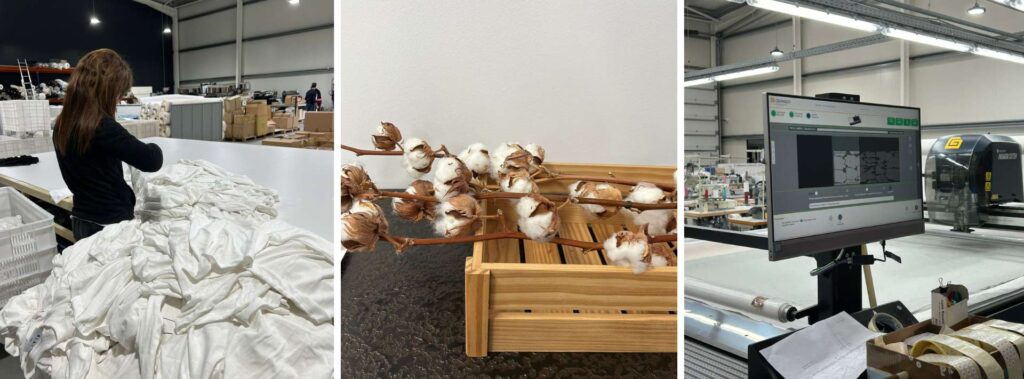
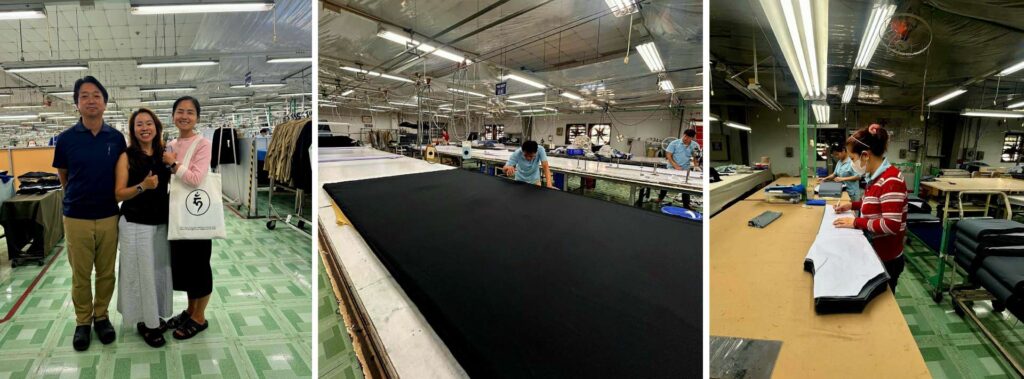
With local teams in Vietnam and Portugal, alongside our wider international network, we help brands explore manufacturing opportunities across different sourcing markets. Our local knowledge provides a clearer understanding of supplier capabilities, production conditions, and market-specific considerations.
Our support can include:
- Sourcing: Identifying potential manufacturers, suppliers, and material partners according to product requirements.
- Supplier evaluation: Reviewing manufacturing capabilities, experience, and suitability for a particular project.
- Product development: Coordinating communication around specifications, samples, materials, and technical requirements.
- Cost negotiation: Helping brands assess quotations and discuss production costs with potential partners.
- Production coordination: Supporting communication and progress monitoring throughout the manufacturing process.
- Quality assurance: Coordinating appropriate checks and addressing production concerns as they arise.
11We act as a critical link between brands and the factories, artisans, and suppliers involved in bringing products to market.
Our role is to help brands make informed decisions, understand their options, and navigate the practical details of working with manufacturing partners.
Is Vietnam still a suitable country for footwear manufacturing?
Yes. The closure of one manufacturer’s facility does not represent the capabilities of Vietnam’s wider footwear industry. The country continues to have an established footwear manufacturing sector, with suitability depending on the product, factory capabilities, order volume, and sourcing requirements.
Making Room for New Products and Opportunities
Changes in manufacturing requirements do not mean brands should become hesitant about developing new collections or exploring different product categories. Fashion continues to evolve through new ideas, materials, designs, and consumer preferences.
A brand may expand into a new category, experiment with different materials, introduce a premium collection, or adjust its product range to reach another market. Each direction brings its own manufacturing considerations.
The important part is having a realistic understanding of what production will involve, including development costs, minimum quantities, technical requirements, and lead times.
There will always be some uncertainty in fashion. Sales forecasts cannot account for every change in consumer behavior, and even established businesses must periodically reassess their plans. However, careful supplier evaluation, informed sourcing decisions, and effective production coordination can help brands approach those uncertainties with greater clarity.
At Deepwear, we support brands through these decisions by connecting them with suitable manufacturing partners and helping coordinate the process from sourcing and development to production.
Looking for a manufacturing partner for your next collection? We can help you explore potential sourcing and manufacturing options across our network. Talk to our team about your product, target quantity, materials, and budget.