
Garment durability depends on far more than the fabric a brand chooses. Discover how garment construction, stitching, seams, closures, skilled manufacturing and quality assurance affect how a garment performs over time.
Fashion manufacturing conversations often begin with the material. Smart textiles, bio-fabricated fibers, recycled materials and advanced finishes continue to attract investment and R&D attention.
Deepwear has already explored these developments in 8 Textile Industry Trends Shaping Apparel Manufacturing in 2026, including the gap between promising textile technologies and their readiness for large-scale commercial production.
But once a material has been selected, another question becomes more immediate: how well is the garment actually made?
A technically advanced textile cannot compensate for a weak seam. A premium design can be undermined by a poorly attached button. A carefully developed jacket can fail when its zipper or stress points are not constructed for repeated use.
For brands that want their garments to be recognized for quality, craftsmanship and design, manufacturing fundamentals deserve as much attention as textile innovation.
In this blog we cover:
- What makes garment construction and stitching important for durability
- How seams, stress points, zippers and buttons affect garment quality
- Manufacturing countries with skilled labor for quality-focused fashion brands
- Why sampling, testing and quality assurance matter before bulk production
- How Deepwear helps brands match their designs with the right manufacturing capabilities
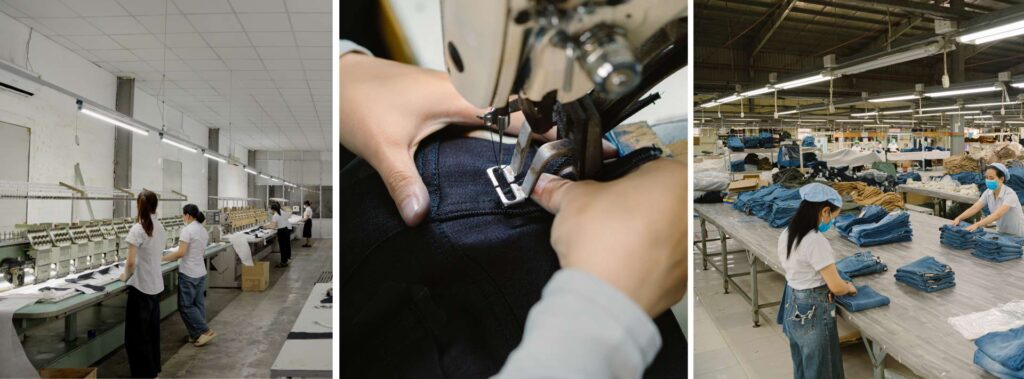
What Actually Makes a Garment Durable?
A durable garment depends on several decisions working together:
- Material selection
- Pattern and fit
- Garment construction
- Stitch and seam selection
- Closures and trims
- Reinforcement
- Finishing
- Testing and inspection
- Production consistency
Thoray d’Haese Sacoor, founder and CEO of Deepwear, has spent decades working across fashion sourcing, manufacturing and factory evaluation. That experience informs Deepwear’s approach to matching brands with manufacturers according to the requirements of the product rather than simply production volume.
The distinction matters. A factory’s size does not tell a brand whether its workforce has the right expertise for a particular garment.
Stitching Is a Structural Decision
Stitching is one of the most basic elements of garment manufacturing, yet small inconsistencies can affect how a garment performs.
Stitch type, stitch density, thread selection, seam allowance and thread tension all need to suit the material and intended use. Production teams also need to identify skipped stitches, puckering, loose threads, insecure seam ends and inconsistent construction.
Human oversight remains important here. Automated machinery can repeat a process consistently, but experienced operators and quality teams still need to recognize whether the resulting construction is appropriate for the garment.
This is one reason Deepwear’s factory evaluation process focuses on capabilities and production standards rather than factory size alone. Its teams have visited more than 1,000 factories across major sourcing regions, assessing what manufacturers can actually produce.
Have a garment that looks right on paper but needs the right manufacturing partner? Deepwear can help assess sourcing options based on your product, construction requirements and production needs. Book a consultation with our team.
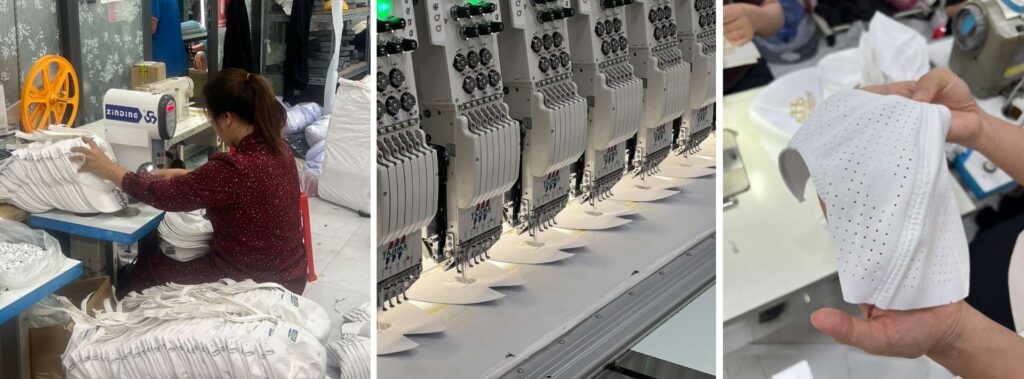
Seams and Stress Points Matter
Not every part of a garment experiences the same level of wear.
Armholes, crotch seams, waistbands, pocket openings, shoulder joins and closures can experience repeated pulling, stretching or abrasion. These areas may require reinforcement or different construction from the rest of the garment.
That means garment construction should reflect how the product will be worn.
A lightweight blouse, tailored jacket, performance garment and workwear piece should not automatically use the same seam construction simply because they are all made from fabric.
The Deepwear team works with manufacturers according to their capabilities and the requirements of each project. There is no single imposed MOQ across the network because production requirements differ by manufacturer and product.
Zippers, Buttons and Trims Need Attention
Closures are another area where small manufacturing details can become functional failures.
Zippers need to be appropriate for the garment and correctly attached. Buttons need secure attachment and suitable reinforcement. Buttonholes require accurate placement and construction. Snaps, hooks and other hardware have their own performance requirements.
Deepwear has previously examined closure testing in detail in this blog, including pull strength and cycle testing. We intend to build on that work from a broader manufacturing perspective: a component becomes part of a quality garment through both appropriate selection and correct attachment.
For premium collections, closures also contribute to the design. Their size, finish, placement and operation can affect how a garment looks, fits and moves.
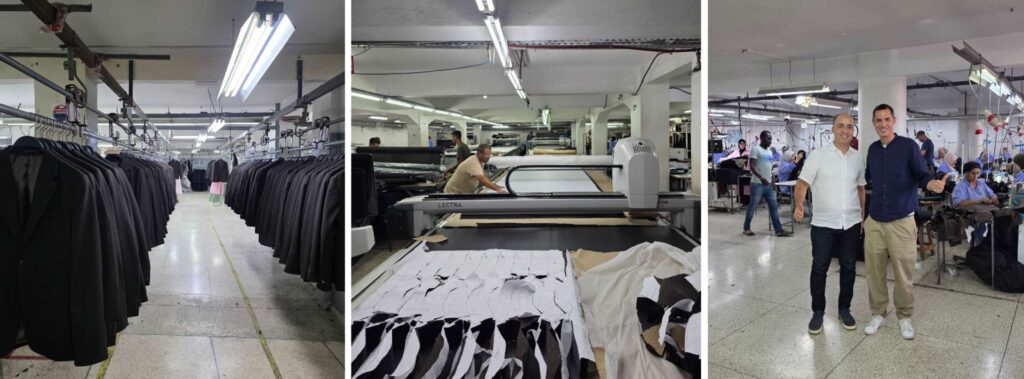
Where Should Quality-Focused Brands Manufacture?
Brands that prioritize craftsmanship and design integrity may want manufacturing partners with specialized skills rather than production environments optimized primarily for high-volume output.
Deepwear’s teams work across sourcing regions with different manufacturing strengths:
| Country | Relevant strengths for quality-focused brands | Indicative MOQ* |
| Italy | Luxury tailoring, knitwear, leather, premium fabrics and specialized finishing | ~100–300 |
| Portugal | Knitwear, jersey, woven garments and refined construction | ~50–150 |
| Spain | Contemporary fashion and structured garments | ~100–300 |
| Turkey | Denim, tailoring, knitwear and outerwear | ~100–300 |
| Thailand | Premium casualwear, knitwear, sportswear and accessories | ~100–300 |
| India | Natural fibers, embroidery, cotton apparel and handcrafted techniques | ~150–500 |
| Morocco | Woven apparel, denim and European nearshoring | ~200–500 |
*MOQs are indicative rather than fixed. Actual requirements vary according to manufacturer, product, materials, trims, construction and production capacity.
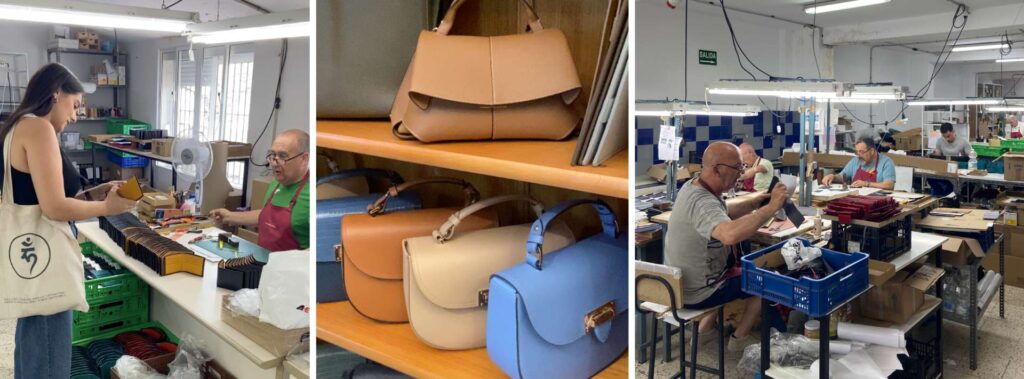
These countries are not interchangeable, and the table is not a ranking. Each has different technical and craft capabilities.
Italy can suit brands seeking specialized European production and craftsmanship. Portugal has established expertise in knitwear, jersey and refined apparel construction. Thailand, where Deepwear was founded, combines established garment manufacturing with skilled production teams and flexible capabilities.
India can be particularly relevant when embroidery, natural fibers or craft techniques are integral to the product. Turkey offers extensive textile and garment expertise, while Spain and Morocco can support European-oriented fashion production with different product and supply-chain strengths.
The relevant question is therefore not simply Which country makes the best clothes? It is which manufacturing environment has the skills and capabilities this garment requires?
Choosing a manufacturing country is only the first step. Deepwear’s teams work on the ground across sourcing regions to help brands identify manufacturers whose capabilities, production scale and technical expertise fit the product. Talk to our team about your next collection.
Sampling Is Where Construction Problems Should Surface
A garment should not reach bulk production before its construction has been properly assessed.
Sampling allows brands to examine fit, materials, stitching, closures, finishing and other production details while changes are still possible. Deepwear’s sampling process can include prototype, fit, size-set and pre-production samples depending on the project.
This is particularly important for brands developing garments with unusual construction, specialized trims or lower-volume production. The sample needs to demonstrate more than visual appearance. It should show that the manufacturing approach works.
Deepwear also distinguishes product inspection from product testing. Inspection checks whether production matches the agreed specifications, while testing assesses performance under defined conditions. Both can be relevant depending on the product and its intended use.
Can Deepwear help find specialized manufacturers?
Yes. Deepwear works with manufacturers and suppliers across its sourcing regions and matches projects according to product requirements, order size and manufacturing capabilities rather than imposing one universal MOQ.
Choosing the Right Manufacturing Partner
The lowest unit price or largest production capacity does not necessarily make a manufacturer the right choice for a quality-focused collection. A structured jacket may require a factory experienced in precise tailoring, while hand embroidery may call for a specialist workshop. A limited first run may also require a different production partner from a large-scale order.
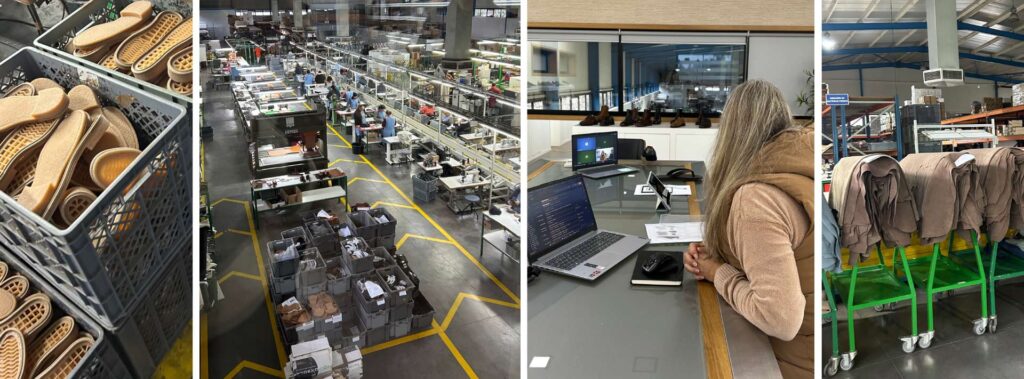
For brands prioritizing garment quality, these capabilities need to be considered alongside price and capacity. Deepwear’s local teams can assess manufacturing capabilities, identify suitable suppliers, arrange factory visits, coordinate sampling and communicate production requirements directly with manufacturers. We can also support quality assurance throughout production, following up on samples, specifications and workmanship.
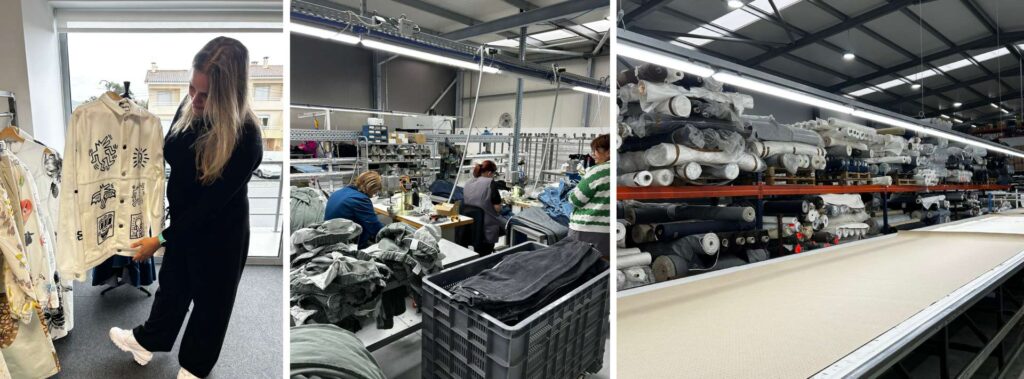
The fabric is only one part of how a garment performs. Construction, finishing, testing and skilled production all influence the finished product. Deepwear helps brands evaluate those factors and find manufacturing partners suited to what they are actually producing.
Looking for the right manufacturing partner for a quality-focused collection? Contact Deepwear to discuss your sourcing and production requirements.