
Explore how lingerie-inspired fashion changes fabric, fit, construction and factory requirements as intimate-apparel details move into ready-to-wear.
Lingerie continues to move further into the visible wardrobe, and the Spring/Summer 2027 collections in Milan offered another clear example.
At Fendi’s September 23 show, Maria Grazia Chiuri incorporated bras, boxer-style pieces, slips, lace and lingerie-influenced silhouettes into a broader ready-to-wear collection. For brands, the more useful question begins after the runway.
When a lingerie-inspired design becomes a ready-to-wear garment, its visual language may remain familiar, but its manufacturing brief can change. Fabric, fit, construction, trims and factory capabilities all need to reflect how the finished product will actually be worn.
This makes the lingerie-to-RTW shift a fashion manufacturing question as much as a design trend.
In this blog we cover:
- How lingerie-inspired designs create different ready-to-wear manufacturing requirements
- Why material and construction decisions need to reflect the garment’s intended use
- How fit and factory capabilities change when intimate-apparel techniques enter RTW
- What brands should consider when sourcing and manufacturing these products
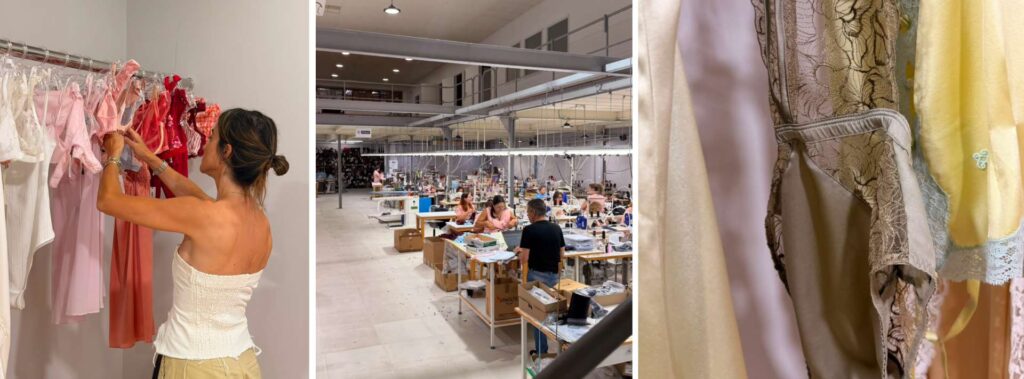
1. Lingerie and Ready-to-Wear Start With Different Manufacturing Briefs
Lingerie and ready-to-wear can share fabrics, silhouettes and construction techniques, but they are developed around different priorities.
Traditional intimate apparel often needs to sit closely against the body while balancing comfort, support, stretch and recovery. A bra, for example, can combine lace or mesh with elastic, lining, hardware and other components within a relatively small garment.
Deepwear’s Why Lingerie Is One of the Hardest Garments to Make already examines these technical demands in detail, including specialized materials, machinery, multi-layer construction and fit.
The manufacturing question changes when those techniques move into outerwear or everyday RTW.
A lingerie-inspired top may still use stretch fabric and elastic, but it may also need greater opacity, different ease, more conventional garment finishing or greater durability. A slip designed to function as a dress can require a different lining strategy from one intended primarily as an underlayer.
2. The Fabric Brief Changes With the Intended Use
The material that creates a convincing lingerie aesthetic is not automatically the right material for a ready-to-wear product.
Lace, mesh, satin, silk, microfiber and stretch jersey can all move between intimate apparel and outerwear. What changes is the performance expected from them.
Brands developing lingerie-inspired fashion may need to assess:
- Stretch and recovery
- Weight and drape
- Opacity
- Durability
- Hand feel
- Lining compatibility
- Seam performance
- Availability at the required volume
A sheer fabric may work when layered over another garment but require lining when the same silhouette is intended to stand alone. A highly elastic fabric can reproduce the close-fitting appearance of lingerie while creating different pattern and ease requirements in RTW.
Material availability also needs to be considered early. A fabric available for sampling may have different commercial availability for bulk production, while a particular trim can carry its own MOQ or lead time.
Deepwear’s Beyond Fabric Sourcing: How Material Availability Affects Fashion Manufacturing explores this connection between material availability, supplier selection, sampling and production planning.
When a material is central to the design, Deepwear can help brands explore sourcing options while considering availability, supplier capabilities and the requirements of the finished product.
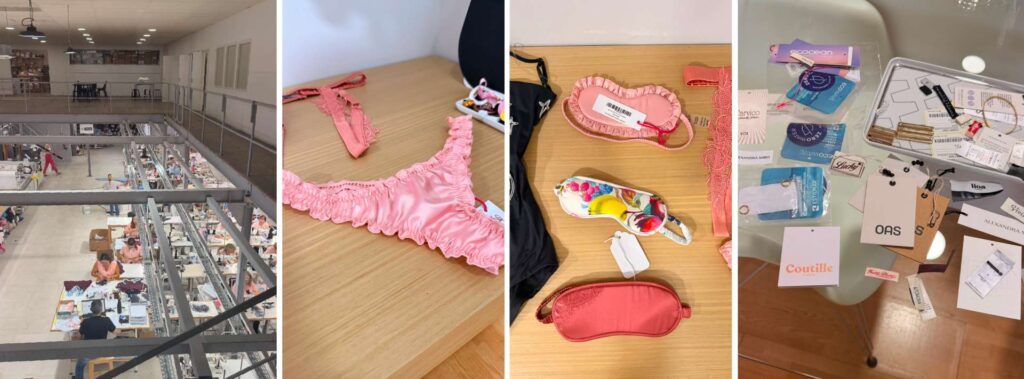
3. Lingerie Construction Techniques Do Not Always Translate Directly
The visual influence of lingerie can enter RTW through lace edging, exposed elastic, fine straps, sheer panels, lingerie-style cups or delicate bindings.
The manufacturing process behind those details still needs to suit the finished garment.
- Elastic application
Elastic may be structural in lingerie, helping a garment sit against the body, or become an exposed design feature in RTW. The factory needs to understand which function it is serving.
- Stitching and seams
Lightweight and stretch fabrics can require different stitching approaches from conventional woven garments. Thread, tension and stitch selection can affect puckering, seam appearance and recovery.
- Lining and layering
Lining affects opacity, comfort, weight and drape. A sheer lingerie-inspired dress may therefore need a different construction strategy from a conventional lined dress.
- Trims and components
Straps, hooks, bindings, elastics and other small components can have a significant effect on development. Their availability, MOQ and lead time need to be considered alongside the main fabric.
The goal is not to reproduce every element of traditional lingerie manufacturing. It is to identify which techniques the new garment actually needs and adapt them to its intended use.
For collections using specialized trims, delicate fabrics or lingerie-derived construction, Deepwear can help brands assess the relevant manufacturing capabilities and identify suitable production partners. Start a conversation with our team.
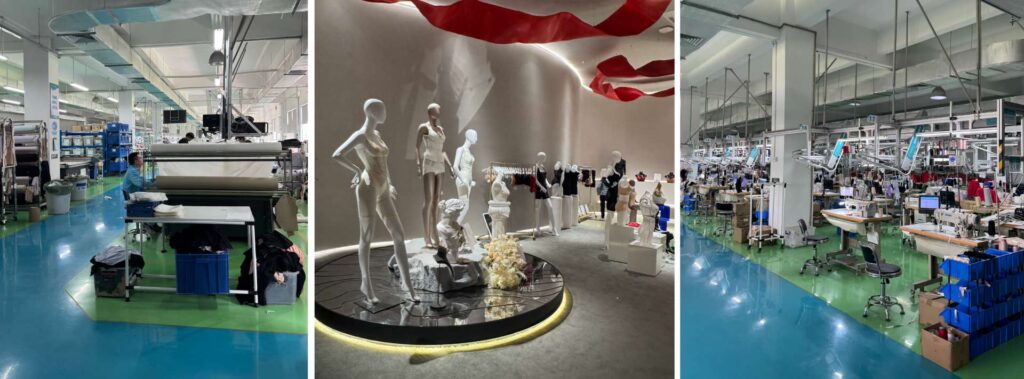
4. The Fit Problem Changes When Lingerie Becomes RTW
Fit is another area where a visual crossover can conceal a substantial production difference.
Traditional lingerie is generally developed around close contact with the body. Ready-to-wear can range from body-hugging to relaxed, oversized or structured.
That changes the role of ease.
A lingerie-inspired top made from highly elastic fabric may need little additional room. The same silhouette produced in a less elastic material may require a different block, seam placement or allowance for movement.
Deepwear’s Why Correct Measurements Still Cause Bad Fit in Garments examines how ease, fabric behavior, construction and intended use can affect the final fit even when measurements themselves are correct.
For a lingerie-inspired RTW product, brands should consider:
- How much stretch does the final fabric provide?
- How much wearing ease is required?
- Is the garment intended to sit against the body or skim it?
- Does the construction restrict movement?
- Will the chosen block work across the intended size range?
Deepwear can support brands in coordinating sourcing and manufacturing considerations during product development, helping translate the intended silhouette into a workable production specification.
5. The Factory Needs the Right Capabilities
This is where the shift from trend to fashion manufacturing strategy becomes particularly important.
A factory producing basic jersey tops may have extensive experience with those products. That does not automatically mean it has the capabilities required for a lingerie-inspired garment.
Depending on the design, brands may need experience with:
- Stretch and delicate fabrics
- Elastic application
- Fine stitching
- Binding
- Specialized lining
- Small components and trims
- Intimate-apparel construction
- Complex sampling and finishing
Deepwear’s Factory-Floor Test takes the same approach to supplier assessment, emphasizing technical capabilities, factory experience, production requirements and the value of current local knowledge when evaluating manufacturing partners.
A lingerie-inspired garment may only borrow one or two techniques from intimate apparel. Another product may depend heavily on them. Manufacturer selection should reflect that difference.
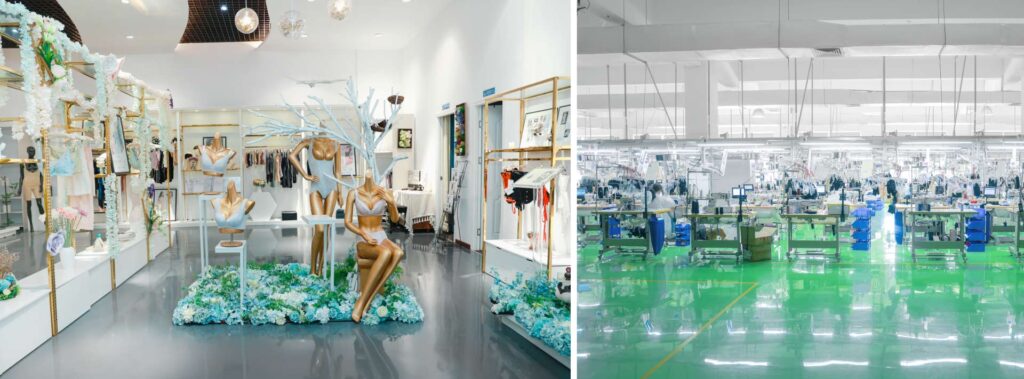
6. Five Manufacturing Questions to Ask Before Production
Before moving a lingerie-inspired design into bulk production, brands can ask:
1. Can the factory handle the chosen fabric?
Consider stretch, recovery, delicacy, opacity, drape and finishing requirements.
2. Can it reproduce the required construction?
Check experience with elastic, binding, lining, fine stitching, closures and other relevant details.
3. Does the pattern block match the intended use?
A close-fitting lingerie block should not automatically be transferred to RTW without considering ease and movement.
4. Can the required components be sourced at the necessary volume?
Trims and small components can become production constraints when supplier MOQs or lead times are incompatible with the collection.
5. Can the construction move from sample to bulk?
A technically successful sample still needs to translate into repeatable garment manufacturing at the required volume.
These are only a handful of questions brands can ask when moving lingerie-inspired designs into ready-to-wear. Deepwear can help assess the wider sourcing and manufacturing requirements, from materials and components to supplier capabilities and production coordination. Book a consultation with our team.
7. Where Can Lingerie-Inspired RTW Be Manufactured?
The right manufacturing market depends on the product rather than the trend.
| Country | Relevant manufacturing strengths | Indicative MOQ* |
| China | Technical apparel, lingerie, trims and integrated supply chains | 1,000–3,000 bras; 1,000–2,000 panties/bralettes |
| Vietnam | Lingerie, knitwear and broader apparel manufacturing | 1,000–2,000 |
| India | Textile production, cotton and knit lingerie, embroidery | 1,000–1,500 panties/bralettes; 2,000–3,000 bras |
| Thailand | Lingerie, swimwear and specialized apparel | 800–1,500 panties/bralettes; 1,500–2,000 bras |
| Türkiye | Lace, embroidery, knitwear and premium lingerie | 800–1,500 |
| Portugal | Premium lingerie, jersey and smaller-batch European production | 500–1,000 |
| Morocco | European nearshoring and growing apparel capabilities | 800–1,500 |
*Indicative ranges based on Deepwear’s lingerie manufacturing research. Actual MOQs vary by factory, garment complexity, materials, trims, customization, capacity and order volume. They should not be treated as universal country requirements.
These markets are not interchangeable. The relevant comparison is between the product requirements and the supplier ecosystem available in each market.
Deepwear can help brands move beyond country-level research to supplier identification, comparing sourcing options according to product requirements, materials, volumes and manufacturing capabilities.
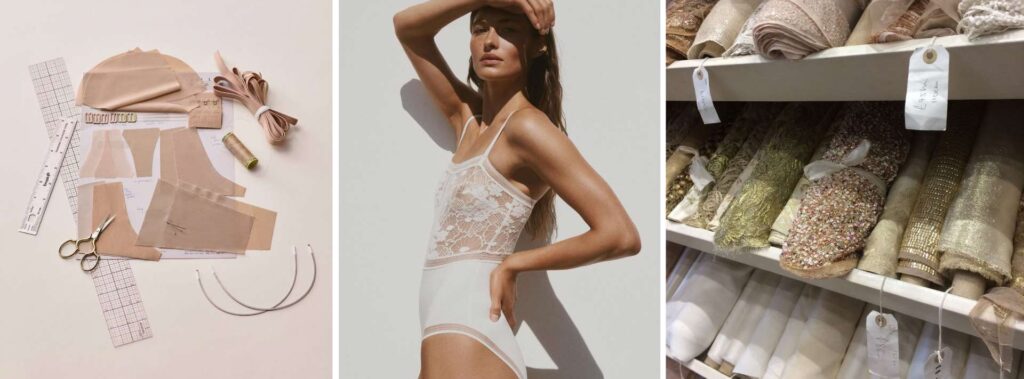
When a Category Changes, the Production Strategy Can Change With It
The movement of lingerie into ready-to-wear illustrates a broader shift in fashion: categories can overlap while manufacturing requirements remain highly specific.
For brands developing lingerie-inspired fashion, the production strategy should begin with the garment itself. Before selecting a manufacturer, consider the fabric’s stretch and recovery, the required construction techniques, the fit and grading, the availability of trims and components, and the production volume. These decisions can help narrow down which suppliers and sourcing markets are appropriate for the collection.
This is where an experienced sourcing and manufacturing partner can add value. Deepwear can help brands assess material and supplier options, identify manufacturers with relevant capabilities, coordinate product development and support production across sourcing markets. Our local teams provide on-the-ground knowledge that can help connect a product’s technical requirements with suitable manufacturing options.
Whether a collection includes a single lingerie-inspired piece or builds an entire RTW category around intimate-apparel references, the same principle applies: the manufacturer should be selected around the product, rather than the product being adapted around the manufacturer.
Planning a lingerie-inspired collection or adapting intimate-apparel techniques for ready-to-wear? Talk to our Deepwear team about sourcing, manufacturing and production requirements.