
Discover why Supima Cotton is considered one of the world’s finest fibers. Learn about its supply chain, manufacturing process, MOQ considerations, and how brands source premium cotton for luxury apparel.
While cotton remains the world’s most widely used natural fiber, not all cotton offers the same level of performance. For brands targeting the premium market, fiber quality can influence everything from garment longevity and customer satisfaction to brand positioning.
That is where Supima Cotton stands apart.
Known for its exceptional softness, strength, and durability, Supima Cotton has become a preferred material for luxury basics, elevated essentials, and high-end home textiles. However, sourcing genuine Supima involves more than selecting a premium fabric. It requires an understanding of licensed supply chains, fiber traceability, and specialized manufacturing partners.
In this blog, we cover:
- What makes Supima Cotton different
- Where genuine Supima is grown
- How the Supima supply chain works
- MOQ considerations for brands
- How Deepwear supports premium material sourcing
What Is Supima Cotton?
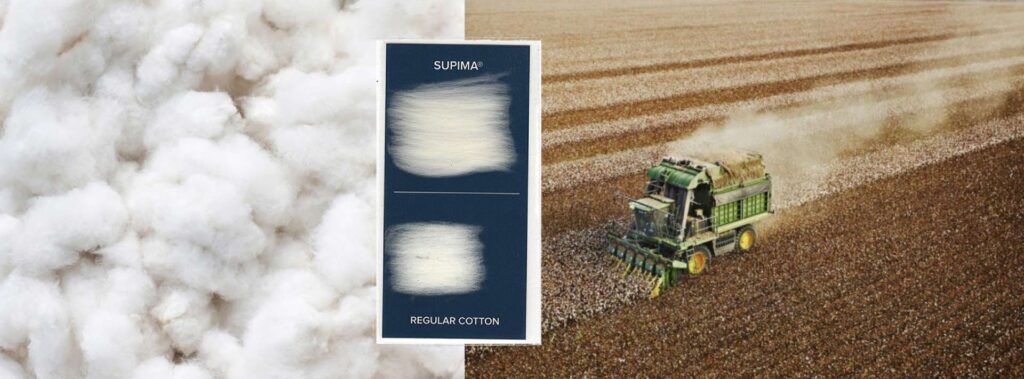
Supima Cotton is a trademarked variety of American Pima Cotton grown exclusively in the United States. While all Supima is Pima cotton, not all Pima cotton qualifies as Supima.
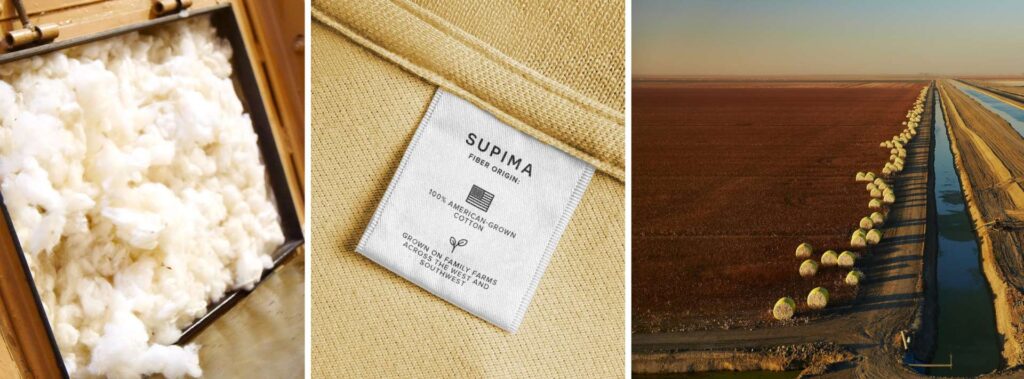
The distinction matters because the Supima trademark guarantees that the fiber meets strict standards for origin, quality, and traceability. Every licensed participant in the supply chain must comply with certification requirements before products can carry the Supima name.
One reason Supima Cotton commands a premium price is its rarity. It represents less than one percent of the world’s cotton production, making it one of the most exclusive commercial cotton fibers available.
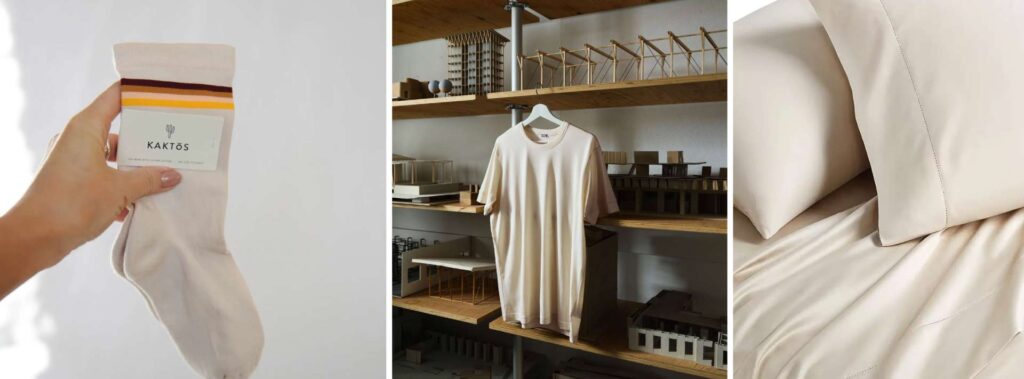
For brands, this exclusivity offers more than marketing value. It provides a consistent raw material capable of supporting premium product positioning across categories such as:
- Luxury T-shirts
- Polo shirts
- Knitwear
- Loungewear
- Underwear
- Premium bedding
- Home textiles
Why Is Supima Cotton Different?
The defining characteristic of Supima Cotton is its extra long staple (ELS) fiber.
Staple length refers to the length of each individual cotton fiber before it is spun into yarn. Longer fibers produce smoother, stronger yarns with fewer loose fiber ends, resulting in fabrics that maintain their appearance through repeated wear and washing.
| Standard Cotton | Supima Cotton |
| Shorter staple fibers | Extra long staple fibers |
| More prone to pilling | Naturally resists pilling |
| Moderate durability | Higher tensile strength |
| Softer initially | Maintains softness over time |
| Colors may fade faster | Excellent color retention |
These performance characteristics make Premium Cotton especially attractive for brands focused on longevity rather than fast-fashion replacement cycles.
The longer fibers also allow mills to spin finer yarns without sacrificing strength. This enables manufacturers to produce lightweight fabrics that still feel substantial and durable, an important balance for premium apparel collections.
Where Does Supima Cotton Come From?
Unlike conventional cotton grown across dozens of countries, genuine Supima Cotton is cultivated exclusively in four U.S. states:
- California
- Arizona
- Texas
- New Mexico
These regions provide long growing seasons, abundant sunlight, and dry climates that support the development of extra-long staple fibers. Many farms also use advanced irrigation systems and precision farming practices to optimize water use while maintaining consistent fiber quality.
The controlled production environment contributes to the consistency that luxury brands expect from Premium Cotton. While fiber quality begins at the farm, brands must also consider what happens after harvesting. Deepwear helps clients evaluate the complete production chain from fabric sourcing and factory selection to production oversight, because every stage influences the quality of the finished garment.
American Growing Standards
Maintaining premium fiber quality begins long before harvesting.
Supima growers follow carefully managed agricultural practices that prioritize:
- Fiber consistency
- Responsible water management
- Soil health
- Crop monitoring
- Sustainable farming methods
After harvesting, cotton is typically processed using roller ginning, a gentler method than conventional saw ginning. Roller ginning places less stress on the delicate extra-long fibers, helping preserve their length and overall quality before spinning begins.
Protecting fiber integrity at this early stage has a direct impact on the finished fabric. Even the most advanced spinning and knitting technologies cannot restore fiber length once it has been damaged during processing.
For brands committed to Sustainable Cotton and long-lasting garments, preserving fiber quality throughout production is just as important as selecting the right raw material.
Why Luxury Brands Choose Supima Cotton
Luxury apparel is judged long before a customer wears it. The first touch, the drape of the fabric, how well the color holds after repeated washing, and whether the garment develops pilling all contribute to how consumers perceive quality. These are precisely the areas where Supima Cotton distinguishes itself.
Because Extra Long Staple Cotton contains significantly longer fibers than conventional cotton, mills can spin smoother, finer, and stronger yarns. The result is a fabric that feels softer against the skin while maintaining its structure over years of wear.
| Regular Cotton | Supima Cotton |
| Short staple fibers | Extra-long staple fibers |
| More prone to pilling | Excellent pill resistance |
| Moderate durability | Higher tensile strength |
| Colors fade more quickly | Superior color retention |
| Budget positioning | Premium product positioning |
For premium fashion brands, these characteristics translate into tangible business benefits:
- Higher perceived product value
- Fewer customer complaints about pilling or fading
- Longer garment lifespan
- Greater pricing power
- Stronger brand reputation
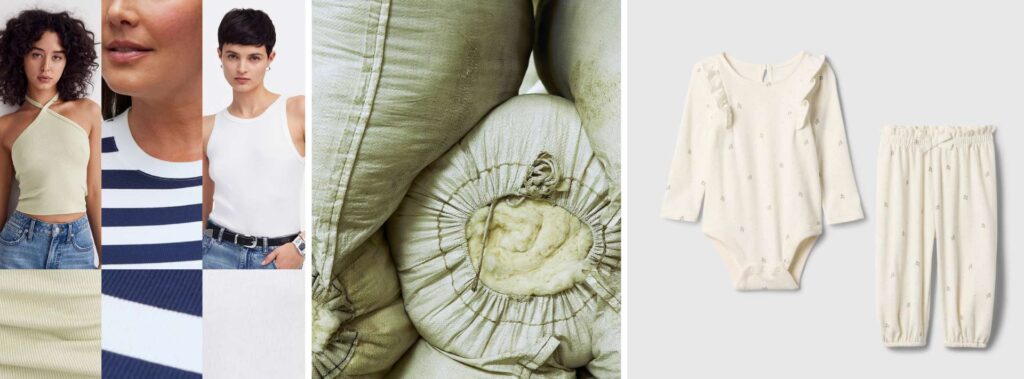
This is why Luxury Cotton is commonly found in products where comfort and durability are equally important, including:
- Premium T-shirts
- Polo shirts
- Knitwear
- Loungewear
- Underwear
- Luxury bedding
- Hotel-quality linens
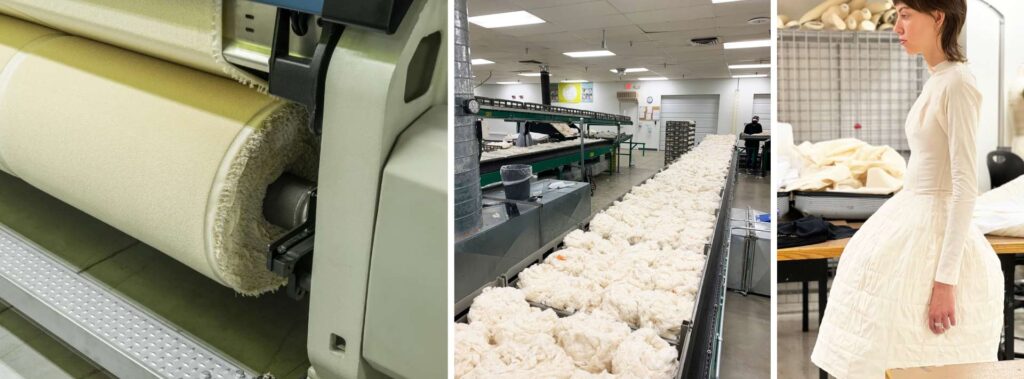
Choosing the right fiber, however, is only one piece of the equation. Fabric construction, finishing techniques, and quality control all influence the final product.
Deepwear’s Organic Cotton vs Durability: What Actually Makes a Garment Last? expands on why fiber selection alone does not determine garment longevity.
MOQ Considerations When Manufacturing with Supima Cotton
One of the most common questions emerging brands ask is:
“What is the MOQ for Supima Cotton?”
Unlike fabrics produced by a single mill, Supima Cotton is a licensed fiber rather than a manufacturer. There is no official minimum order quantity established by Supima itself.
Instead, MOQ depends on several factors throughout the production chain:
- Yarn spinner requirements
- Fabric mill capabilities
- Clothing Manufacturer minimums
- Dyeing and finishing processes
- Whether the fabric is custom developed or sourced from stock
Typical industry ranges include:
| Supply Chain Stage | Typical MOQ |
| Yarn | 500–1,000 kg per color |
| Knitted fabric | 300–500 kg per color |
| Woven fabric | 500–1,000 meters |
| Garment manufacturing | 100–500 pieces per style (some specialty factories may accept as few as 50 pieces) |
Brands should also remember that customization often increases minimums. Developing an exclusive jersey weight, custom rib construction, proprietary knit, or unique dye color usually requires larger production runs because mills must dedicate equipment and production time to that specific order.
This is where working with an experienced sourcing partner becomes valuable. Deepwear helps brands compare manufacturers based not only on MOQ, but also on production capabilities, quality standards, lead times, and long-term scalability. In many cases, selecting the right factory delivers greater value than simply securing the lowest minimum order quantity.
Readers unfamiliar with sourcing terminology can also explore Deepwear’s Textile & Garment Abbreviations Every Fashion Startup Must Know, which explains terms such as MOQ, AQL, FOB, and PPS.
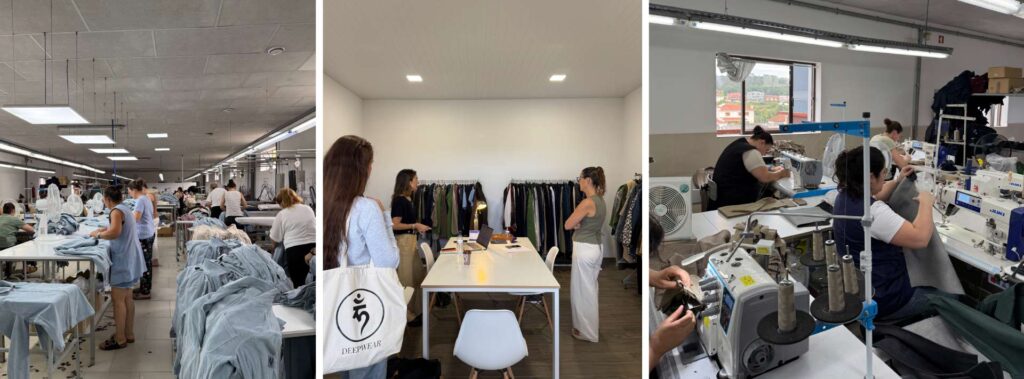
Looking for a manufacturing partner that can help evaluate premium materials and verified suppliers? Deepwear supports fashion brands through supplier sourcing, factory verification, quality assurance, product development, and production management across a global manufacturing network. Start a conversation with our team.
Challenges of Sourcing Genuine Supima Cotton
Premium materials naturally attract imitation.
Although many suppliers advertise “Pima cotton” or “luxury cotton”, not every product marketed this way contains licensed Supima Cotton. Since Supima is a protected trademark, only approved supply chain participants can use the name commercially.
Brands sourcing premium cotton should verify several factors before placing production:
- Whether suppliers are licensed to use the Supima trademark
- Material documentation and chain of custody
- Fiber authentication procedures
- Factory quality management systems
- Consistency between sampling and bulk production
Another challenge is limited availability. Because Supima Cotton accounts for less than one percent of global cotton production, supply can fluctuate depending on harvest conditions, demand, and manufacturing schedules. Longer lead times and higher raw material costs are therefore common compared to conventional cotton.
These challenges reinforce the importance of supplier verification. Premium fibers deliver value only when the materials supplied genuinely match what has been specified.
How Deepwear Helps Brands Source Premium Cotton
Developing products with premium materials requires more than selecting an attractive fabric sample. Brands also need confidence that their manufacturing partners can consistently source, process, and deliver materials that meet quality expectations.
Deepwear supports brands throughout this process by helping them:
- Evaluate qualified material suppliers
- Verify manufacturing partners
- Compare sourcing options across multiple regions
- Coordinate product development and sampling
- Manage production timelines
- Conduct independent quality assurance
- Improve supply chain transparency
Rather than relying solely on factory claims, Deepwear works with an international network of manufacturing specialists who provide on-the-ground oversight throughout production. This helps reduce sourcing risk while giving brands greater visibility into how products are being made.
With 17 global offices, Deepwear supports brands in connecting product requirements with suitable manufacturing partners across multiple sourcing regions. Whether a collection requires premium natural fibers, technical fabrics, or specialized production capabilities, the goal remains the same: matching each project with manufacturers that align with the brand’s quality, budget, and timeline.
Is Supima Cotton worth the higher price?
For many premium brands, the answer is yes.
Although garments made with Supima Cotton typically have higher material costs, they also offer measurable advantages in durability, softness, color retention, and resistance to pilling. These characteristics can improve customer satisfaction, reduce replacement rates, and support premium pricing strategies. Ultimately, the value of Supima Cotton depends on your brand positioning. For collections built around longevity, elevated quality, and premium craftsmanship, investing in higher-quality fibers can strengthen both product performance and brand perception.
Turning Premium Materials into Premium Products
The quality of a garment begins long before production starts. It starts with choosing the right fiber, verifying the right suppliers, and partnering with manufacturers capable of delivering consistent results.
Whether you’re developing luxury basics, premium knitwear, or elevated essentials, Deepwear helps fashion brands evaluate suppliers, verify manufacturing partners, manage production, and oversee quality from sourcing through final delivery. Contact our team today!