
Explore where global fashion brands are producing in 2027 and how Deepwear helps businesses choose the right clothing manufacturers for resilient sourcing.
For decades, global sourcing followed a familiar formula: find the lowest production cost and scale from there. That approach helped build one of the most interconnected industries in the world, but it also exposed fashion brands to a new generation of risks. Trade disputes, shipping disruptions, stricter regulations, labor shortages, and changing consumer expectations have transformed what it means to build a resilient supply chain.
Today, choosing clothing manufacturers is no longer just about comparing labor costs. Brands must consider production expertise, compliance, lead times, regional trade agreements, infrastructure, and long-term supply chain stability. This shift has created what many sourcing professionals now describe as the global manufacturing reset. Rather than replacing one manufacturing powerhouse with another, brands are building diversified sourcing networks that combine the strengths of multiple regions.
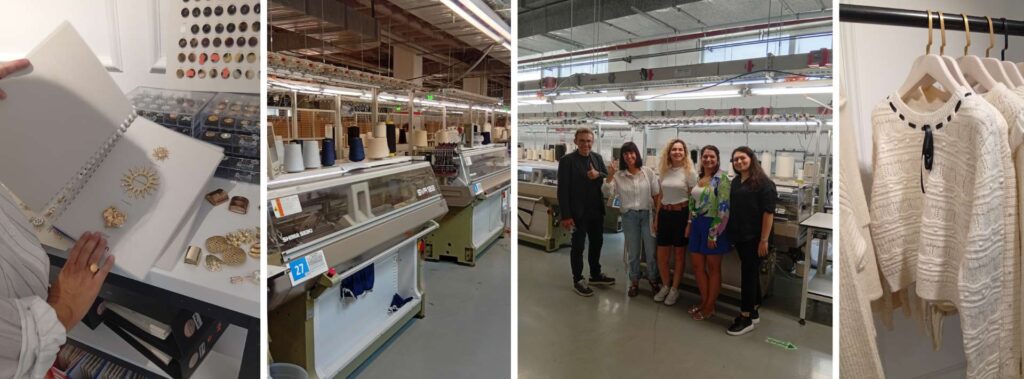
At Deepwear, we’ve explored many of these manufacturing hubs individually from Vietnam and India to Turkey and the Pearl River Delta. This guide brings those insights together to examine the bigger picture: where global garment manufacturing is heading in 2026, why regional specialization matters, and how successful brands are adapting their sourcing strategies.
In this blog we cover:
- The global manufacturing reset and what’s driving it
- Where leading Clothing Manufacturers are expanding in 2026
- How regional Garment Manufacturing strategies reduce supply chain risk
- Why Textile Manufacturing ecosystems influence sourcing decisions
- How Deepwear helps brands build resilient multi-country manufacturing networks
Where Clothing Manufacturers Are Expanding in 2027
Each manufacturing destination offers distinct advantages depending on the product, target market, lead time, and sourcing priorities. The comparison below highlights the strengths of today’s leading apparel manufacturing hubs based on current global sourcing trends, trade developments, and Deepwear’s experience working with manufacturing partners across these regions.
| Country | Manufacturing Specialties | Competitive Advantage |
| China | Technical apparel, synthetic fabrics, trims, performance products | Complete supply chain ecosystem |
| Vietnam | Sportswear, woven garments, footwear | FTAs, export infrastructure |
| India | Cotton, embroidery, home textiles | Vertical integration |
| Turkey | Denim, knitwear, premium cotton | Nearshoring to Europe |
| Portugal | Luxury knitwear, jersey, fashion basics | Craftsmanship, low MOQs |
| Mexico | Denim, workwear, uniforms, casualwear | Nearshoring to North America, USMCA benefits |
| Thailand | Swimwear, lingerie, accessories, sportswear | Flexible manufacturing |
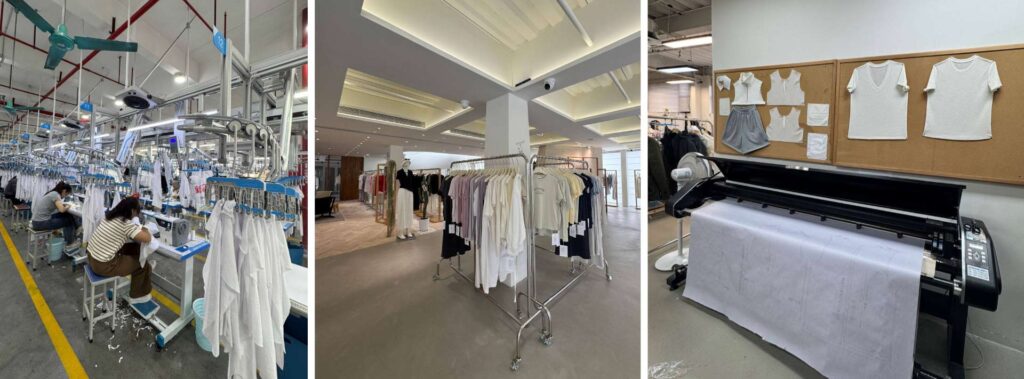
China remains a global manufacturing leader
Despite years of discussion about brands leaving China, the country continues to dominate complex and technical production.
Its strength lies in its complete industrial ecosystem. From raw materials and component suppliers to advanced machinery and logistics infrastructure, China offers a level of manufacturing integration that few countries can match.
Many global brands continue to manufacture high-value products there while diversifying other product lines elsewhere.
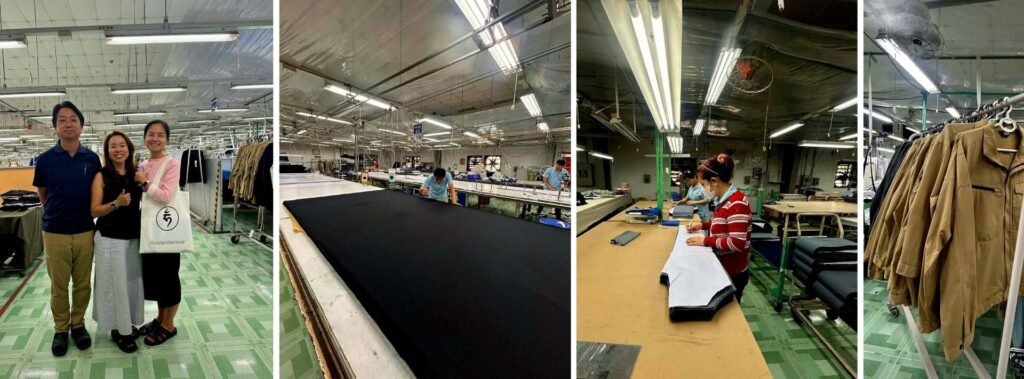
Vietnam continues to strengthen its position
Vietnam has become one of the world’s most important apparel manufacturing hubs.
Competitive production costs, strong export infrastructure, and favourable trade agreements have made it a preferred destination for many international brands. Rather than replacing China, Vietnam often complements it as part of a broader sourcing strategy.
For a deeper look at Vietnam’s strengths, challenges, and manufacturing ecosystem, read our Vietnam in 2026 — The Strategic Manufacturing Platform for Global Fashion Brands guide.
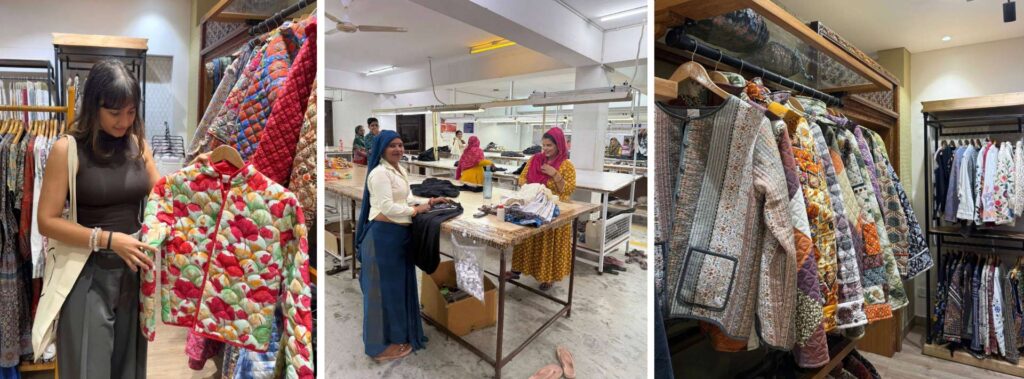
India offers one of the world’s most complete Textile Manufacturing ecosystems
India’s competitive advantage extends well beyond labor costs.
The country combines fibre production, spinning, weaving, dyeing, finishing, and garment production within one of the world’s largest vertically integrated textile manufacturing industries.
For brands producing cotton apparel, embroidered garments, accessories, or handcrafted products, India offers flexibility that many sourcing destinations cannot replicate.
Learn more in our blog India’s Garment & Accessories Manufacturing Landscape in 2026.
Turkey remains Europe’s strategic nearshoring partner
For European brands, speed is becoming just as important as production cost.
Turkey’s proximity to major European markets allows brands to shorten lead times, replenish inventory more quickly, and respond to seasonal demand with greater flexibility.
Combined with strong compliance standards and an established textile sector, Turkey continues to play an important role in regional sourcing strategies.
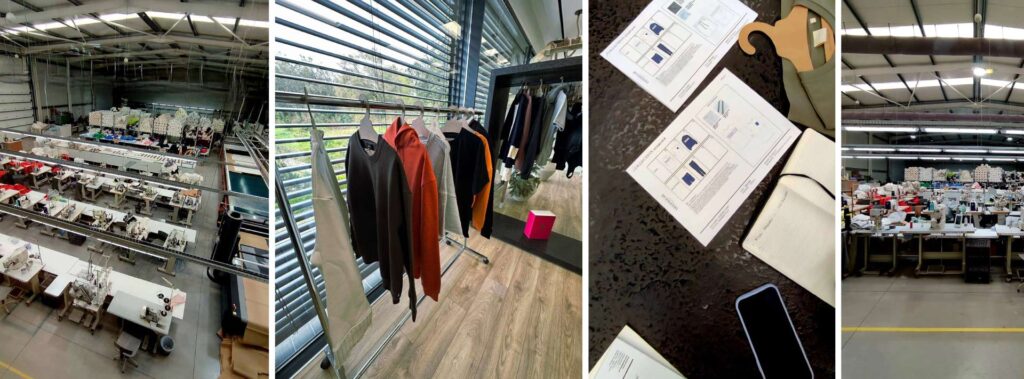
Portugal delivers premium craftsmanship
Portugal has earned a strong reputation for premium garment manufacturing, particularly in luxury knitwear, jersey apparel, and high-quality fashion basics. Its experienced workforce, strong compliance standards, and ability to accommodate lower minimum order quantities make it an attractive destination for emerging luxury brands and established labels alike. While production capacity is smaller than in major Asian manufacturing hubs, Portugal offers exceptional craftsmanship and close collaboration throughout product development.
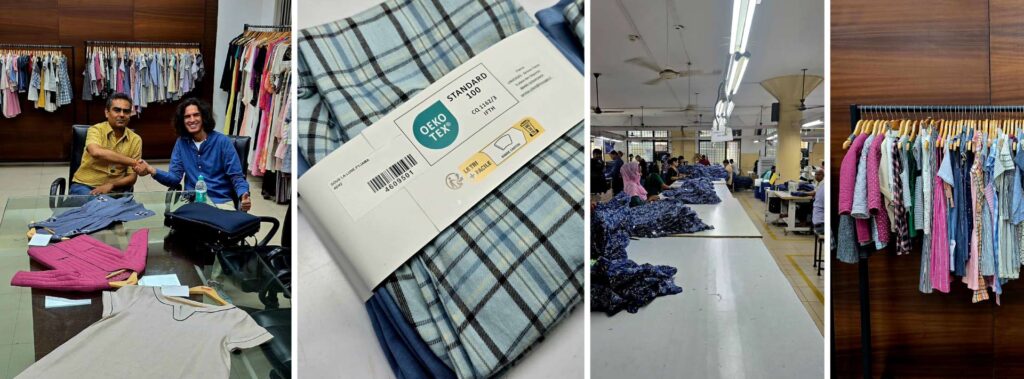
Mexico strengthens North American sourcing
Mexico continues to grow as a strategic manufacturing hub for brands serving the North American market. Through the USMCA trade agreement, manufacturers benefit from simplified regional trade, shorter transit times, and reduced logistics costs compared to overseas sourcing. Mexico is particularly well suited for denim, workwear, uniforms, and casual apparel, making it an increasingly attractive option for brands seeking greater supply chain resilience and faster replenishment.
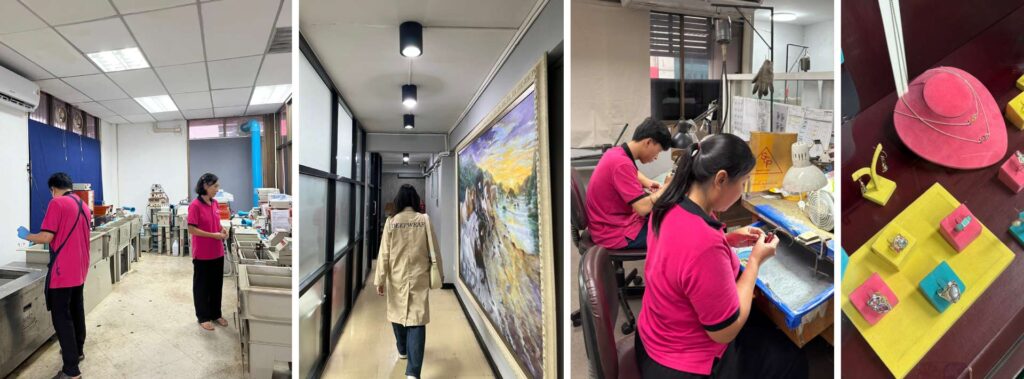
Regional manufacturing hubs complement global sourcing strategies
Countries such as Thailand and Morocco are also carving out specialized roles within global supply chains. Thailand is known for flexible production across swimwear, lingerie, sportswear, and accessories, while Morocco has become an important nearshoring destination for European brands requiring shorter lead times and rapid replenishment. Rather than competing directly with larger manufacturing economies, these regions complement global sourcing strategies by offering specialized expertise, regional logistics advantages, and greater supply chain flexibility.
For many brands, these locations work best as part of a diversified sourcing portfolio rather than a complete manufacturing replacement.
Why this matters for fashion brands
Instead of asking “which country is the cheapest?”
Brands are asking questions like:
- Which country has the strongest supplier ecosystem for my product?
- Which region provides the shortest lead times?
- Where can I maintain compliance with evolving regulations?
- How do I reduce supply chain risk without sacrificing quality?
- Which manufacturing partners support long-term growth?
These questions produce better sourcing decisions because they focus on resilience rather than short-term savings.
Every manufacturing destination has strengths, limitations, and trade-offs. Deepwear helps brands compare clothing manufacturers across multiple regions, verify supplier capabilities on the ground, and build sourcing strategies based on quality, compliance, lead times, and long-term resilience, and not simply the lowest production cost.
If you’re evaluating your next manufacturing destination, explore our analysis of Asian manufacturing hubs during global supply chain disruptions, or speak with our team to develop a sourcing strategy tailored to your products and growth goals.
Which country is best for clothing manufacturing in 2027 and beyond?
There is no single best country for every fashion brand. China remains a leader in technical and complex production, Vietnam excels in large-scale apparel manufacturing, India offers one of the world’s strongest textile ecosystems, while Turkey, Portugal, Thailand, and other regional hubs each provide unique advantages depending on product type, lead time, compliance requirements, and target market.
This is why many brands now diversify production across multiple countries instead of relying on a single manufacturing destination.
Why Global Brands Choose Deepwear for Multi-Country Manufacturing
Finding the right manufacturing destination is only part of the equation. Successfully managing production across multiple countries requires local expertise, supplier verification, and a sourcing partner that understands how different manufacturing ecosystems complement one another.
At Deepwear, we don’t believe there is a universal “best” country for every brand. Instead, we help businesses build sourcing strategies around their products, growth objectives, quality standards, and target markets.
Our teams work directly with vetted clothing manufacturers across Asia and Europe, providing support throughout the entire production journey, including:
- Factory sourcing and supplier verification
- Product development and sampling
- Compliance and quality assurance
- Production management
- Material and Textile Manufacturing sourcing
- Logistics coordination and delivery support
Because we operate across multiple manufacturing regions, we’re able to recommend the right production location based on your specific requirements, not simply the lowest quotation. Whether you’re diversifying beyond a single sourcing market or establishing a new supplier network, Deepwear helps reduce risk while maintaining quality, transparency, and long-term manufacturing partnerships.
Building a Smarter Global Manufacturing Strategy
The global manufacturing reset is not about abandoning one country in favour of another. It is about building a sourcing strategy that reflects today’s realities: balancing cost, quality, compliance, resilience, and speed across multiple manufacturing ecosystems.
For brands evaluating clothing manufacturers, the strongest decisions come from understanding each region’s unique capabilities rather than searching for a one-size-fits-all solution. Countries such as China, Vietnam, India, Turkey, Portugal, and Thailand each play an important role within modern garment manufacturing, while strong textile manufacturing ecosystems continue to shape product quality and supply chain performance.
As global sourcing grows more complex, having the right manufacturing partner becomes just as valuable as choosing the right manufacturing destination.
Ready to build a more resilient global supply chain? Contact Deepwear to discover the right manufacturing partners, sourcing strategy, and production ecosystem for your next collection.