
Learn how Deepwear connects international buyers with vetted factories and manages sourcing, production, and quality control.
India has long been a cornerstone of the global textile and apparel industry. From cotton cultivation to finished garments, India operates one of the world’s most extensive and integrated manufacturing ecosystems. For international brands searching for production partners, India offers scale, craftsmanship, and competitive costs that few regions can match.
Yet the path from identifying a potential supplier to delivering a finished garment is rarely straightforward. International buyers often face a steep learning curve when navigating India’s manufacturing landscape for the first time. The country’s garment industry is vast, regionally specialized, and operationally complex. Finding reliable factories, verifying their capabilities, and managing production remotely can quickly become a logistical challenge.
In this blog we cover:
- Why garment manufacturing in India continues to attract international fashion brands
- The key challenges brands face when searching for reliable garment manufacturers in India
- How our team at Deepwear vets factories and connects brands with trusted Indian garment manufacturers
- The major garment manufacturing regions across India and their specialties
- How Deepwear manages sourcing, production coordination, and quality control in garment manufacturing
Why International Brands Source Garments from India
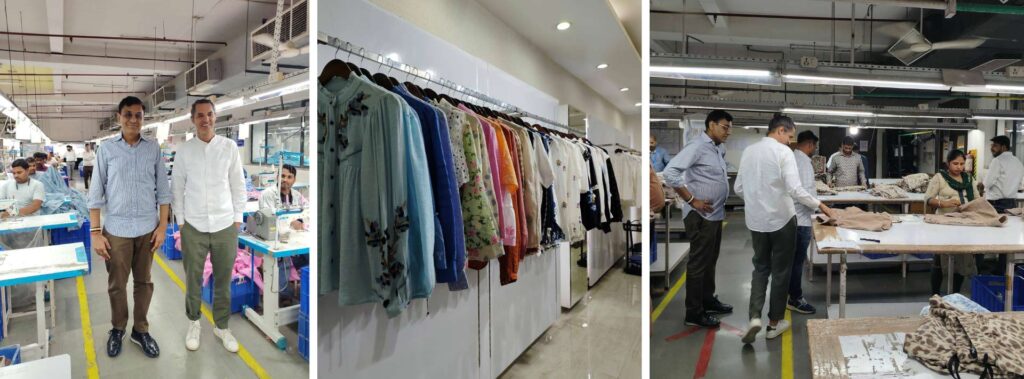
Over the past decade, India has strengthened its position as one of the most attractive apparel manufacturing destinations for global fashion brands. Several structural advantages explain why.
First, India’s textile supply chain is unusually integrated. India produces raw fibers, yarns, fabrics, trims, and finished garments across a vast network of suppliers. This vertical integration allows manufacturers to control multiple stages of production domestically, reducing reliance on imported materials.
Second, India offers deep technical expertise across many garment categories. Manufacturers specialize in a wide range of products, including:
- Cotton apparel
- Knitwear and jersey garments
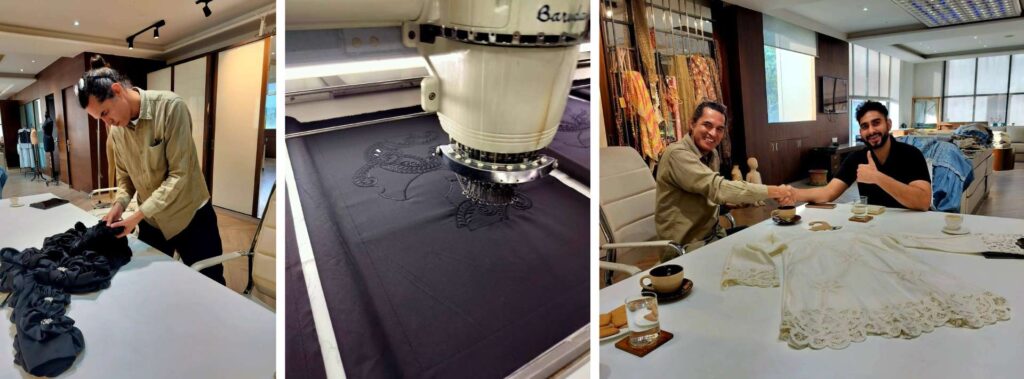
- Fashion garments with embroidery or embellishment
- Artisan textiles and handcrafted details
- Sustainable and organic fabric production
Third, the country’s manufacturing workforce remains highly skilled and experienced. Many garment clusters have developed over decades, with factories refining their processes to serve international brands across Europe, North America, and Australia.
Finally, India’s pricing structure remains competitive compared with many Western production markets. While costs vary depending on complexity, materials, and order volumes, India often provides a balance between affordability and quality that appeals to both emerging labels and established fashion brands.
However, these advantages do not eliminate the operational challenges of sourcing garments internationally.
The Challenge: Finding Reliable Garment Manufacturers in India
For brands attempting to source production independently, identifying the right factory can be far more complicated than expected.
India’s garment industry contains thousands of manufacturers, ranging from small workshops to large export-oriented facilities. However, not all factories operate at the same level of compliance, technical capability, or reliability. Without proper vetting, brands risk entering partnerships that cannot support their long-term production needs.
Several common challenges often emerge during the sourcing process such as:
- Factory Verification
Online directories and sourcing platforms list many manufacturers, but verifying their real capabilities requires deeper investigation. Some factories may claim certain capacities or technical expertise that they cannot consistently deliver. - Communication Gaps
International brands frequently operate in different time zones, languages, and production systems than their suppliers. Miscommunication around specifications, timelines, or materials can lead to costly errors during production. - Unclear Production Requirements
Minimum order quantities, lead times, and pricing structures vary widely between factories. Without local knowledge, brands may approach suppliers that are not suited to their scale or product category. - Quality Control Risks
Even experienced manufacturers can face quality inconsistencies if production is not monitored closely. Without proper oversight, defects may only become visible after garments have already been shipped. - Supply Chain Visibility
Managing production remotely can create blind spots. Brands may struggle to track development stages, confirm material sourcing, or monitor production progress.
These risks explain why many companies rely on sourcing partners with local manufacturing expertise.
How Deepwear Connects International Buyers with Reliable Indian Manufacturers
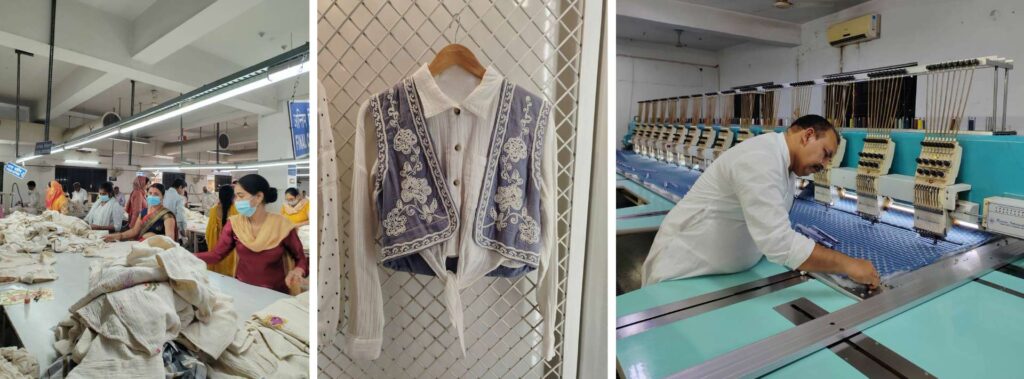
Deepwear operates as a bridge between international brands and India’s garment manufacturing ecosystem. Instead of asking buyers to navigate the sourcing process alone, we help structure the relationship between brands and factories from the beginning.
The process typically involves several stages designed to reduce operational uncertainty.
1. Factory Vetting and Selection
Before introducing a manufacturer to clients, Deepwear assesses factories based on several criteria, including:
- Technical capabilities
- Product specialty
- Production capacity
- Minimum order quantity (MOQ)
- Lead time
- Pricing
- Communication
- Quality standards
- Compliance
- Documentation
- Export history
To ensure proper alignment, we recommend that brands conduct a physical audit before placing a sample or bulk order. This allows them to verify whether the supplier maintains the expected level of efficiency and operational standards.
2. Matching Brands with the Right Manufacturer
Not every factory is suited to every brand. Product complexity, order volumes, pricing expectations, and technical requirements must all align for a manufacturing partnership to work effectively.
Deepwear works with clients to identify suppliers that match their specific needs. For example:
- Knitwear collections may be directed toward specialized clusters with advanced knitting capabilities.
- Fashion brands producing embellished garments may require factories with embroidery and finishing expertise.
- Emerging brands with smaller production volumes may need manufacturers comfortable with flexible MOQs.
This targeted approach reduces the risk of mismatched partnerships that can disrupt production.
3. Local Communication and Production Coordination
One of the most significant advantages of working with a sourcing partner lies in local coordination. Managing garment manufacturing remotely often leads to delays in communication and misunderstandings about technical specifications.
Deepwear’s teams coordinate directly with manufacturers on the ground to manage key aspects of the production cycle, including:
- development timelines
- sampling and revisions
- material sourcing
- production scheduling
- factory communication and reporting
This structure allows brands to maintain oversight without needing to manage every operational detail themselves.
Looking to source garments from India but unsure where to start? Deepwear helps international brands connect with reliable Indian manufacturers and manage production from development to delivery.
4. Quality Inspection
Qualityinspection is one of the most critical elements of apparel manufacturing. Even highly capable factories require structured oversight to maintain consistency across production runs.
Deepwear integrates quality control checkpoints throughout the manufacturing process.
These may include:
- Sample Approval
Development samples are checked through a sample quality inspection (QI), and a report is submitted for the client’s approval before full production begins. - Pre-Production Checks
Before large-scale manufacturing starts, materials, patterns, and production planning are verified. A pre-production check is conducted and a report is submitted for the client’s approval. - Production Monitoring
During manufacturing, teams monitor production progress to identify potential issues early. - Final Inspections
Finished garments undergo inspections using widely recognized quality control standards such as AQL. These checks help ensure that defects remain within acceptable thresholds before shipment.
By implementing these checkpoints, brands gain greater assurance that their products meet quality expectations before leaving the factory.
Key Garment Manufacturing Regions in India
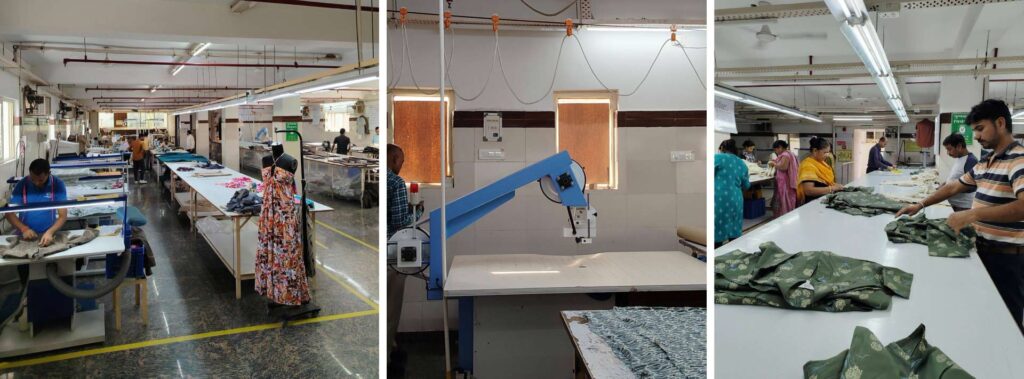
India’s apparel production is distributed across several regional manufacturing hubs, each known for specific strengths.
Understanding these clusters can help brands select manufacturers aligned with their product requirements.
- Tirupur
Often referred to as the knitwear capital of India, Tirupur is a major exporter of cotton knit garments such as T-shirts, polos, and sportswear. - Delhi NCR
The Delhi National Capital Region hosts numerous export-oriented garment factories producing a wide variety of fashion apparel for international markets. - Jaipur
Jaipur is widely recognized for handcrafted textiles, embroidery, block printing, jewelry and artisan garment production.
Each region offers distinct manufacturing capabilities, which is why supplier selection often requires careful analysis.
When India Is the Right Manufacturing Choice
While India offers many advantages, it is not automatically the best production location for every brand. The country tends to perform particularly well in several areas.
India is often a strong choice for brands producing:
- cotton-based apparel
- knitwear collections
- garments featuring embroidery or handcrafted detailing
- sustainable or organic textile lines
- mid-range to premium fashion products
Brands seeking large-scale synthetic performancewear production, for example, may sometimes consider other regions depending on their technical requirements. Choosing the right manufacturing location ultimately depends on a brand’s product category, pricing structure, and supply chain priorities.
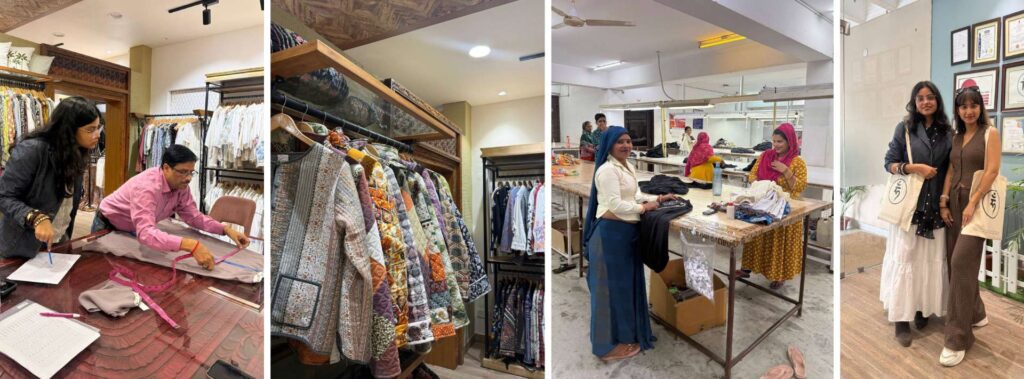
How can international brands find reliable garment manufacturers in India?
Finding reliable garment manufacturers in India typically requires a structured sourcing process that includes factory vetting, capability verification, and quality oversight. Many international brands work with sourcing partners like us at Deepwear to identify trusted manufacturers, manage factory communication, and oversee production to ensure consistent quality and reliable delivery.
Turning Opportunity into a Reliable Production Strategy
India offers one of the most dynamic garment manufacturing ecosystems in the world. Its integrated textile supply chain, specialized production clusters, and experienced workforce continue to attract brands looking for dependable manufacturing partners. For companies willing to invest the time in understanding the landscape, the country can support everything from early-stage product development to large-scale apparel production.
At the same time, success in garment manufacturing in India rarely comes from simply contacting factories and hoping for the best. Supplier verification, production alignment, clear communication, and consistent quality control all play a critical role in building a stable supply chain. Without the right structure in place, even promising manufacturing opportunities can become difficult to manage.
This is where working with the right sourcing partner makes a measurable difference. By helping brands identify reliable garment manufacturers in India, coordinating production locally, and maintaining quality oversight throughout the process, our team at Deepwear helps transform sourcing from a complex challenge into a structured, transparent operation.
Planning to manufacture garments in India? Contact our team at Deepwear to explore how we can connect your brand with vetted manufacturers and manage your production from development to final delivery.