
Supplier expansion planning for established fashion brands requires more than adding factories. Learn how our Deepwear team advises brands to evaluate scalability, quality control, forecasting, sustainability, and category-specific sourcing strategies.
As fashion brands grow, supplier expansion becomes less about finding additional factories and more about building a resilient, scalable production network. Many brands initially rely on a small group of trusted suppliers, but growth eventually introduces new operational pressures that existing manufacturing relationships may not be able to support alone.
Expanding into new categories, increasing production complexity, entering new markets, or managing seasonal demand shifts all require a more strategic sourcing framework. Without proper supplier diversification, brands can face production bottlenecks, inconsistent quality, longer lead times, and increased operational risk.
At Deepwear, supplier expansion planning for established fashion brands is approached as a long-term operational strategy rather than a simple sourcing exercise. The goal is not to increase supplier count unnecessarily, but to build a manufacturing network capable of supporting sustainable growth, flexibility, and quality consistency over time.
In this blog we cover:
- When fashion brands should expand their supplier network
- How product categories affect supplier selection
- Operational systems that indicate scalable suppliers
- Why forecasting and production calendars matter
- How sustainability is reshaping supplier expansion
- How strategic supplier diversification reduces operational risk
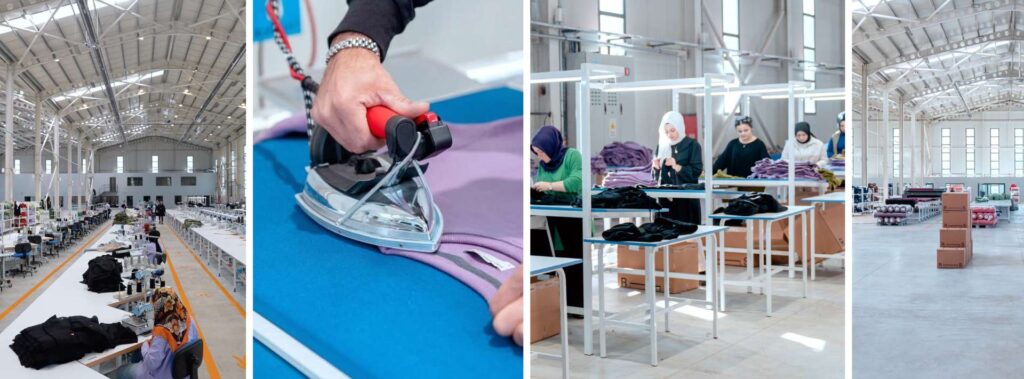
Why Supplier Expansion Planning for Established Fashion Brands Is About More Than Production Volume
Production volume is often viewed as the primary reason brands seek additional suppliers. In reality, supplier expansion is usually driven by operational complexity rather than order quantity alone.
A brand may need additional manufacturing partners when:
- Existing suppliers reach capacity limits
- New product categories require specialized expertise
- Lead times become inconsistent
- Market expansion increases production demands
- Overdependence on a single supplier creates operational risk
Even smaller brands can benefit from supplier diversification if they are managing multiple product categories or require greater flexibility during growth phases.
Strategic supplier expansion helps brands reduce operational vulnerability while creating opportunities for improved efficiency, quality optimization, and stronger long-term scalability.
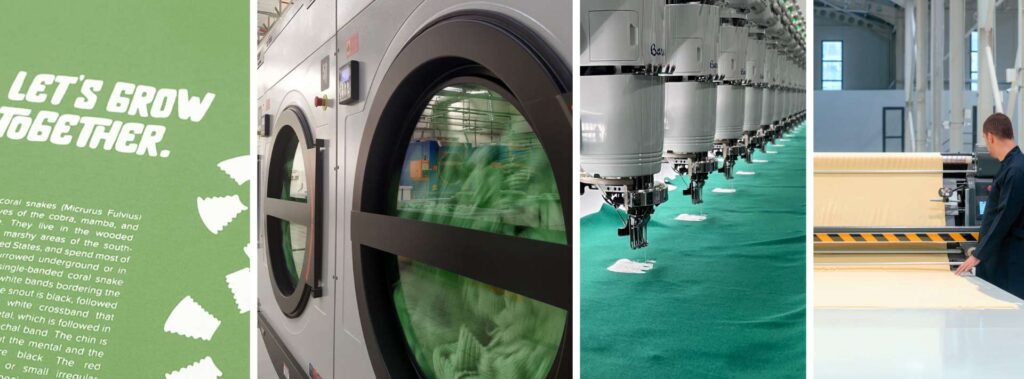
When Fashion Brands Should Expand Their Supplier Network
Many brands wait too long before expanding their supplier network. By the time production delays, quality inconsistencies, or scheduling issues emerge, operational pressure is already affecting delivery performance and customer experience.
Some common indicators that expansion may be necessary include:
- Repeated production delays during peak seasons
- Limited capacity for new collections
- Difficulty scaling successful products quickly
- Increasing MOQ restrictions
- Lack of technical expertise for new categories
- Weak supply chain redundancy
Brands expanding into international retail, wholesale, or multi-category product development often require a more diversified supplier structure to maintain stability during growth.
Expanding production without the right supplier infrastructure can increase operational risk quickly. Deepwear helps brands evaluate suppliers based on category expertise, scalability, production systems, and long-term manufacturing compatibility. Start a conversation with our team.
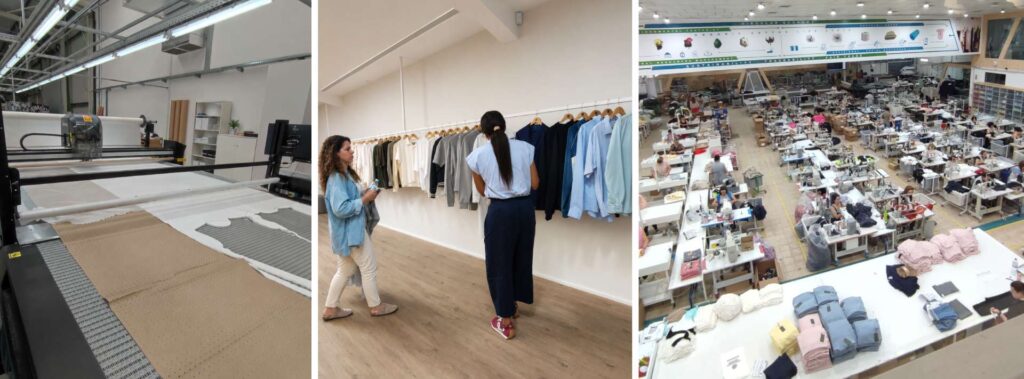
How Product Categories Change Supplier Requirements
One of the biggest sourcing mistakes brands make is assuming all manufacturers can handle all product categories equally well. In reality, different apparel categories require completely different technical capabilities, machinery, sourcing expertise, and quality control standards.
At Deepwear, supplier evaluation focuses heavily on category specialization rather than factory size alone.
1. Activewear Manufacturing Requirements
Activewear manufacturing requires expertise in:
- Performance fabrics
- Stretch recovery
- Seam construction
- Technical finishing
- Compression functionality
- Moisture-management treatments
Factories producing technical activewear must maintain precise construction standards to ensure garments perform consistently under movement and stress.
2. Resortwear Production Considerations
Resortwear production often involves:
- Lightweight and delicate fabrics
- Embroidery and embellishments
- Print consistency
- Lower-volume flexibility
- Soft finishing techniques
These products typically demand higher attention to visual detail and fabric handling during production.
3. Knitwear Supplier Expertise
Knitwear manufacturing suppliers depend on:
- Specialized knitting machinery
- Yarn sourcing capabilities
- Garment engineering
- Gauge consistency
- Wash and shrinkage control
An experienced knitwear supplier understands how yarn behavior impacts garment structure, fit, and durability over time.
4. Outerwear Manufacturing Complexity
Outerwear manufacturing is significantly more technical and may involve:
- Multi-layer construction
- Waterproofing systems
- Insulation materials
- Technical seam sealing
- Advanced testing requirements
Factories without category-specific outerwear experience often struggle with consistency and technical performance standards.
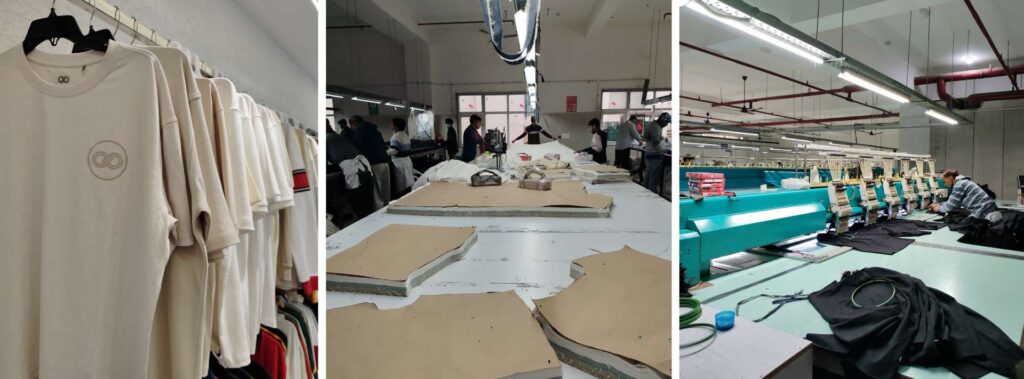
Operational Systems That Indicate Scalable Suppliers
A factory’s ability to scale successfully depends on more than labor capacity. Operational maturity plays a major role in whether suppliers can support growing brands consistently over time.
In Deepwear’s experience, some of the most important indicators include:
- Production planning systems
- Material requirement planning (MRP)
- ERP and production tracking software
- Dedicated quality control teams
- Standard operating procedures (SOPs)
- Workforce training programs
- Raw material management systems
- Clear reporting structures
Suppliers that can provide accurate production visibility and maintain stable lead times under pressure are generally better positioned to support long-term brand growth.
Factories operating without structured systems may initially offer attractive pricing but often struggle with consistency as order complexity increases.
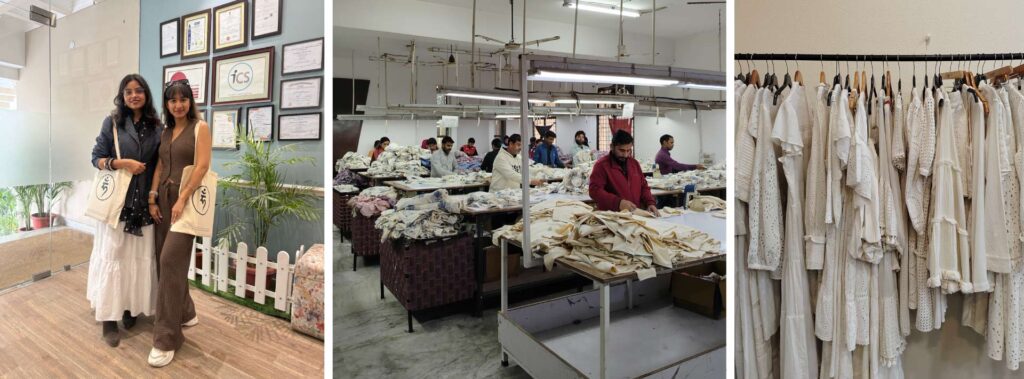
Why Forecasting and Production Calendars Matter
Strong supplier relationships are built on transparency and planning. Accurate forecasting allows suppliers to allocate capacity, secure materials earlier, and optimize production scheduling more effectively.
Brands that consistently provide clear production forecasts often receive:
- Better scheduling priority
- More stable lead times
- Improved material availability
- Stronger supplier support during peak periods
- Reduced production disruption
Poor forecasting, on the other hand, can create avoidable operational issues across the supply chain.
Common consequences include:
- Delayed deliveries
- Higher sourcing costs
- Capacity shortages
- Production bottlenecks
- Increased quality risks due to rushed timelines
Forecasting should not be viewed purely as a purchasing function. It is a strategic operational tool that directly affects manufacturing performance.
Reliable production planning depends heavily on supplier coordination and operational visibility. Deepwear supports brands through supplier evaluation, forecasting alignment, production oversight, and sourcing strategy development across multiple apparel categories.
Quality Control Standards for Fashion Supplier Expansion
Before onboarding new suppliers, brands should assess whether factories can consistently execute required quality standards under real production conditions.
Important evaluation areas include:
- Inline and final inspection systems
- Sample approval processes
- Defect tracking procedures
- Fabric and trim testing capabilities
- Corrective action systems
- Production consistency across repeat orders
- Communication and escalation structures
Certifications alone rarely provide a complete picture of manufacturing reliability. Trial orders, production references, and direct factory evaluations often reveal more about long-term supplier performance.
The goal is not simply to verify compliance, but to determine whether the supplier can maintain consistency as production scales.
How Sustainability Is Reshaping Supplier Expansion Strategies
Sustainability has become a major factor in supplier selection across the global fashion industry. Brands are increasingly evaluating suppliers based not only on pricing and lead times, but also on environmental performance, transparency, and ethical standards.
Key considerations now include:
- Responsible material sourcing
- Waste reduction initiatives
- Water and energy management
- Chemical compliance systems
- Worker welfare standards
- Supply chain traceability
- Carbon reduction initiatives
For many brands, sustainability is no longer treated as a separate marketing initiative. It is becoming part of long-term operational risk management and market positioning.
Suppliers that demonstrate measurable progress in sustainability practices are increasingly viewed as more competitive and future-ready partners.
Why Strategic Supplier Diversification Reduces Long-Term Risk
Overreliance on a single supplier or production region creates vulnerability. Economic disruption, political instability, raw material shortages, shipping delays, or sudden capacity constraints can quickly impact production continuity.
Strategic supplier diversification helps brands improve resilience while maintaining flexibility across changing market conditions.
However, supplier expansion should remain structured and intentional. Expanding too quickly without proper evaluation can create additional complexity instead of reducing risk.
The strongest supplier networks are typically built gradually through careful category alignment, operational assessment, and long-term relationship development.
Why is supplier diversification important for established fashion brands?
Supplier diversification for fashion brands helps reduce operational risk, improve production flexibility, maintain stable lead times, and support category expansion. Relying too heavily on a single supplier can create vulnerabilities during periods of increased demand, shipping disruption, raw material shortages, or production delays. A well-structured supplier network allows brands to scale more efficiently while maintaining quality and operational control.
Building Smarter Supplier Networks for Long-Term Growth
Supplier expansion planning for established fashion brands is not simply about increasing factory options. It is about building a manufacturing ecosystem capable of supporting brand growth without sacrificing quality, flexibility, or operational control.
As fashion supply chains become more complex, brands that approach supplier diversification strategically are often better positioned to scale sustainably and adapt to changing market demands.
Deepwear works with brands to evaluate suppliers based on operational maturity, category expertise, scalability, quality standards, and long-term manufacturing compatibility.
Whether your brand is expanding into new categories, scaling production, or strengthening its supplier network, Deepwear helps build sourcing strategies designed for long-term growth, operational efficiency, and reliable manufacturing performance. Connect with our team to explore supplier solutions tailored to your production goals.