
Learn how Deepwear conducts contract evaluation in fashion manufacturing, reviewing timelines, payment terms, IP protection, factory commitments, and supplier agreements before production begins.
A manufacturing contract is often viewed as a legal document that gets signed before production starts. In reality, it serves a much larger purpose.
At Deepwear, we view the contract as the foundation of the manufacturing relationship and an important component of quality control. A well-structured agreement establishes clear expectations, defines responsibilities, and helps prevent costly misunderstandings before production begins.
In this blog we cover:
- How Deepwear conducts contract evaluation in fashion manufacturing before production begins
- Reviewing timelines, quality standards, delivery responsibilities, and payment structures in factory agreements
- Key contract provisions that protect both brands and manufacturers during production
- How Deepwear supports supplier contract negotiation through on-the-ground factory engagement
- Verifying that contractual commitments align with actual factory capacity, capabilities, and operational realities
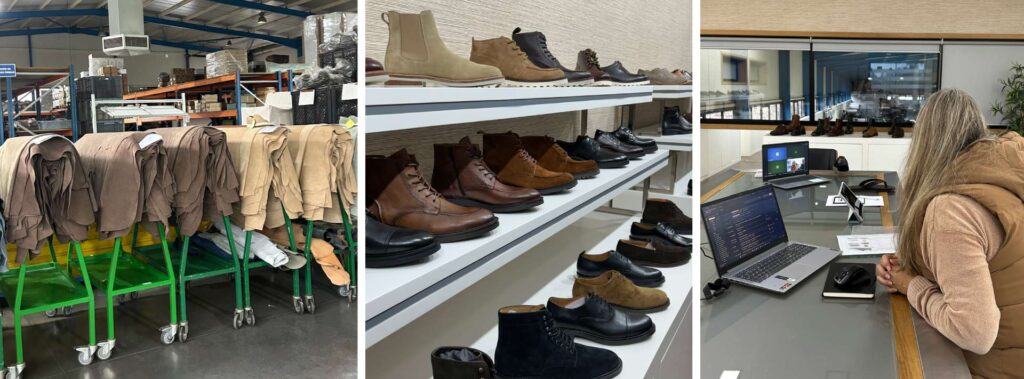
How Deepwear Reviews Manufacturing Agreements Before Production Begins
Drawing on 32 years of industry experience and 18 years of global sourcing and factory audits, Deepwear evaluates fashion manufacturing agreements through both a contractual and operational lens. Rather than simply reviewing what is written on paper, we assess whether the terms reflect what a factory can realistically deliver in practice.
This approach to contract evaluation in fashion manufacturing helps brands identify potential risks before production begins, while also helping factories establish realistic commitments that support long-term partnerships.
Here are six key areas we evaluate when reviewing factory contracts:
1. Production Timelines, Quality Standards, and Delivery Responsibilities
One of the most common sources of manufacturing disputes is unclear contract language.
Production timelines should be tied to specific milestones rather than broad estimates. Terms such as “mid-month delivery” or “approximately six weeks” often leave room for interpretation and create uncertainty when delays occur.
During factory contract evaluation, Deepwear reviews whether production schedules are linked to measurable events such as:
- Fabric arrival
- Sample approvals
- Production start dates
- Inspection milestones
- Shipment deadlines
We also assess how quality expectations are defined. Rather than relying on subjective language such as “premium quality” or “high standard workmanship,” contracts should reference objective inspection criteria and measurable quality standards.
For example, a supplier may commit to a 45-day production timeline in a contract. On paper, that may appear reasonable. However, an on-site review may reveal that key fabrics require three weeks to source before production can even begin. Once sampling, approvals, manufacturing, inspections, and shipping preparation are factored in, the timeline may no longer be achievable.
Because Deepwear works directly with factories on the ground, we can identify these discrepancies before contracts are finalized. In many cases, a realistic production schedule benefits both the brand and the factory. It prevents unrealistic expectations, reduces pressure on production teams, and minimizes the likelihood of delays becoming disputes.
In addition, we review delivery obligations and transfer-of-responsibility clauses to determine exactly when ownership, liability, and shipping responsibility move from the factory to the buyer.
The goal is simple: eliminate ambiguity before production begins.

2. Contractual Safeguards That Protect Both Brands and Factories
Strong contracts protect all parties involved in the manufacturing process.
A balanced agreement should contain clear provisions that address potential issues before they occur. This reduces the likelihood of disputes and allows both brands and factories to focus on production rather than conflict resolution.
For brands, important safeguards often include:
- Defined defect allowances
- Inspection rights
- Delivery obligations
- Remedies for unapproved delays
For factories, important protections may include:
- Raw material deposit requirements
- Capacity reservation terms
- Payment obligations
- Change-order procedures
Deepwear reviews these provisions to ensure that responsibilities and expectations are clearly allocated between both parties. A contract should not favor one side at the expense of the other. Instead, it should create a framework that supports long-term operational stability.
This is particularly important for emerging brands that may be signing manufacturing agreements for the first time. Standard factory contracts are often written to address the supplier’s priorities first. While this does not necessarily indicate bad faith, it can leave important operational details undefined.
Through manufacturing contract review, Deepwear helps identify areas where expectations may be unclear and facilitates conversations that lead to more balanced agreements. Our objective is not to create conflict during negotiations but to ensure that both parties understand their obligations before production begins.
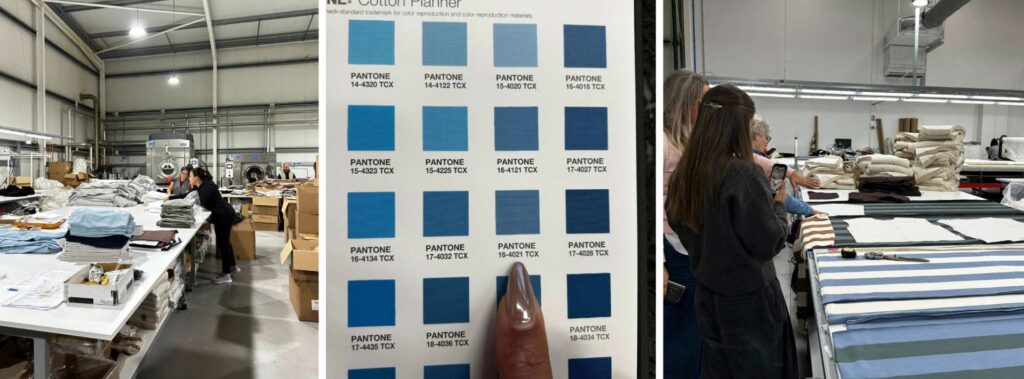
How Deepwear Supports Contract Negotiations on the Ground
Many sourcing partners review contracts from a distance. Deepwear approaches the process differently.
As an on-the-ground fashion sourcing partner, we combine supplier contract negotiation with direct factory engagement. Because we work closely with manufacturers, fabric suppliers, and production teams, we understand how contractual commitments translate into day-to-day operations.
This allows us to evaluate questions that cannot always be answered by the contract alone:
- Can the factory realistically meet the proposed timeline?
- Does the supplier have the production capacity being promised?
- Are quality requirements aligned with the factory’s actual capabilities?
- Are payment milestones practical for both parties?
- Have approval and communication procedures been clearly defined?
For example, a factory may agree to an accelerated production schedule in order to secure an order. However, a review of current workloads, staffing levels, and production capacity may reveal that the proposed timeline is difficult to achieve without increasing the risk of delays or quality issues. Likewise, a supplier may accept strict quality requirements on paper, but an on-site assessment may show that the factory lacks the inspection systems necessary to consistently meet those standards.
Contract evaluation also provides valuable insight into how a supplier approaches transparency and accountability. While negotiation is a normal part of any business relationship, manufacturers should be willing to document responsibilities, performance expectations, and dispute-resolution procedures in writing. Reluctance to formalize these commitments can be an important warning sign during the supplier selection process.
Ultimately, the strongest manufacturing partnerships are built on clear agreements, realistic expectations, and shared accountability. Our role is to help ensure that the commitments made during negotiations can be supported throughout production.
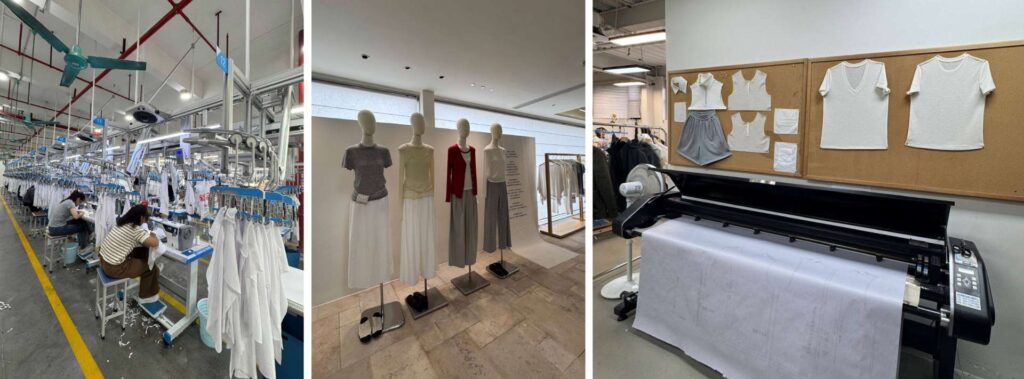
3. Payment Terms and Production Milestones
Payment structures can reveal a great deal about the health and practicality of a manufacturing relationship.
During manufacturing contract evaluation, we assess whether payment terms are aligned with actual production milestones rather than arbitrary dates. Effective agreements typically connect payments to verifiable progress throughout the manufacturing process.
This may include milestones such as:
- Raw material procurement
- Sample approval
- Production completion
- Quality inspection approval
- Shipment readiness
Linking payments to measurable production events creates greater transparency for both parties. It helps brands maintain financial visibility while ensuring factories have the resources necessary to sustain production.
Consider a scenario where a brand is asked to make substantial payments before materials have been secured or production has begun. While there may be legitimate reasons for advance payments, the contract should clearly explain what those funds support and when corresponding deliverables are expected.
Likewise, factories need confidence that payments will be released promptly when agreed milestones have been met.
Our review focuses on whether the payment structure supports long-term operational stability rather than creating unnecessary financial pressure on either side.
Need Help Reviewing Factory Agreements? Deepwear combines fashion manufacturing contract review, factory assessments, sourcing expertise, and supplier negotiations to help brands make informed manufacturing decisions. Our team works directly with suppliers to ensure contracts align with operational realities before production begins.
4. Intellectual Property and Confidentiality Protection
For fashion brands, intellectual property often represents a significant competitive advantage.
Designs, patterns, technical specifications, branding elements, and product concepts should all be protected before production begins.
Deepwear evaluates whether confidentiality provisions extend beyond the primary manufacturing facility. In many production environments, multiple parties may have access to proprietary information, including:
- Pattern makers
- Fabric mills
- Trim suppliers
- Subcontractors
- Sampling teams
A strong agreement should clearly define how confidential information is handled throughout the supply chain and establish appropriate protections for all parties involved in production.
This is particularly important when specialized components or proprietary construction methods are involved. A brand may assume that confidentiality obligations apply automatically across the production chain when, in reality, those protections only extend to the primary supplier.
During production contract review, we assess whether intellectual property protections adequately cover all relevant participants involved in manufacturing.
Protecting intellectual property is not simply a legal consideration. It is also a business continuity consideration.

5. Approval Procedures and Production Change Management
Many manufacturing disputes originate from unclear communication processes.
When contracts fail to establish formal approval procedures, production changes can quickly become sources of confusion, delays, and unexpected costs.
Deepwear reviews whether agreements clearly define:
- Sample approval timelines
- Revision procedures
- Change-order requirements
- Approval authority
- Timeline adjustment protocols
These provisions create accountability and help ensure that all parties are working from the same set of approved specifications.
For example, a brand may request a material change midway through production. Without documented procedures, disagreements can arise regarding additional costs, revised delivery schedules, or quality expectations.
By establishing approval protocols upfront, contracts provide a structured framework for managing inevitable changes without disrupting the overall project.
Formalizing communication processes reduces the likelihood of misunderstandings and improves overall production efficiency.
6. Verifying That Factory Commitments Match Operational Reality
Perhaps the most important part of contract evaluation in fashion manufacturing is determining whether contractual promises align with actual factory capabilities.
A factory may agree to production volumes, lead times, or quality standards that appear reasonable on paper. However, the contract alone cannot confirm whether those commitments are realistic.
This is where Deepwear’s on-the-ground expertise becomes particularly valuable.
Our team combines contract review with factory assessments to evaluate:
- Production capacity
- Current workload
- Workforce stability
- Machinery capability
- Technical expertise
- Quality control systems
For example, a supplier may contractually commit to producing 20,000 units per month. During a site visit, we may discover that the factory is already operating close to full capacity for existing customers. While the commitment appears achievable in the agreement, actual production schedules may suggest otherwise.
Similarly, a factory may agree to strict quality requirements but lack the inspection systems necessary to consistently meet those standards.
By comparing contractual commitments against operational realities, Deepwear helps identify potential risks before agreements are finalized. This process allows brands to make more informed decisions and avoid entering partnerships based on unrealistic expectations.
Our role is not to favor brands over factories or factories over brands. The objective is to ensure that commitments are realistic, achievable, and beneficial for both sides.
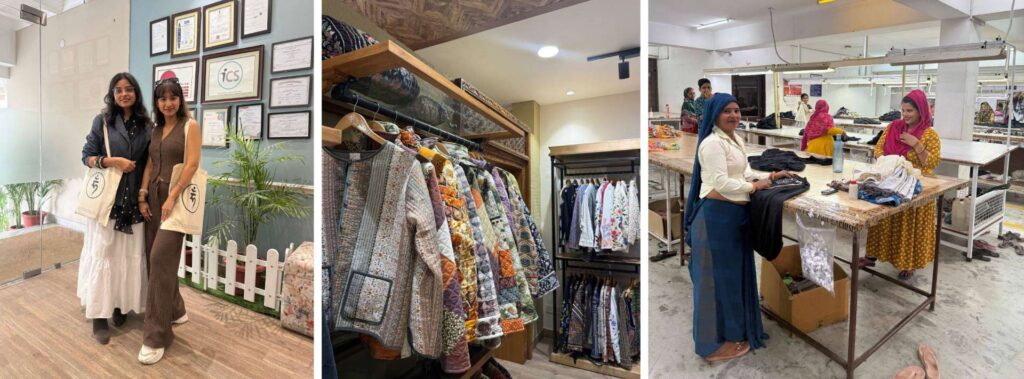
What is contract evaluation in fashion manufacturing?
Contract evaluation in fashion manufacturing is the process of reviewing manufacturing agreements to assess timelines, quality requirements, payment structures, delivery responsibilities, intellectual property protections, and operational feasibility before production begins. A thorough review helps brands reduce risk, improve supplier relationships, and ensure that factory commitments align with actual production capabilities.
Why Contract Evaluation Matters
Manufacturing contracts are more than administrative paperwork. They establish the framework that governs production, communication, quality control, payment structures, intellectual property protection, and accountability.
A thorough manufacturing contract review helps identify potential risks before production begins and ensures that expectations are clearly documented for both parties.
Ready to Review Your Manufacturing Agreements?
Manufacturing contracts should reflect both legal requirements and operational reality. Deepwear helps brands evaluate factory agreements, conduct manufacturing contract evaluation, verify production capabilities, negotiate supplier terms, and identify potential risks before production begins.
Whether you are launching a new brand, expanding production, or entering a new sourcing market, our team provides the expertise needed to build stronger manufacturing partnerships from the start. Contact Deepwear today to discuss your contract review, sourcing, and factory evaluation requirements.