
Explore how fair wages, responsible sourcing, and ethical manufacturing practices can shape the future of Bangladesh’s garment industry and global fashion supply chains.
Bangladesh is one of the world’s most important garment manufacturing hubs, supplying apparel to international brands and supporting millions of livelihoods. Yet recent protests over minimum wages have brought renewed attention to a question that extends far beyond the country’s borders: how can the global fashion industry remain commercially competitive while providing decent working conditions and fair compensation to the people who make its products?
At Deepwear, we believe responsible manufacturing requires consideration of both the people behind production and the businesses that sustain it. Our work connecting fashion brands with manufacturers, suppliers, and artisans gives us an interest in understanding how sourcing decisions affect the wider production ecosystem. Bangladesh’s current wage debate offers an opportunity to examine the relationship between labour standards, factory economics, and the purchasing practices of international fashion brands.
The recent demonstrations in Bangladesh have highlighted the economic pressures experienced by garment workers, as well as the challenges facing manufacturers operating in a highly competitive export market. Rather than treating these interests as opposing concerns, the discussion needs to consider how workers can receive fair compensation while factories maintain viable operations and international buyers adopt more responsible sourcing practices.
In this blog we cover:
- Why Bangladesh’s garment industry plays such an important role in global fashion.
- What the recent wage protests reveal about minimum wages and living standards.
- How fair compensation relates to responsible manufacturing and factory viability.
- Why international brands have a role in supporting better labour conditions.
- What fashion businesses can do to develop more responsible sourcing strategies.
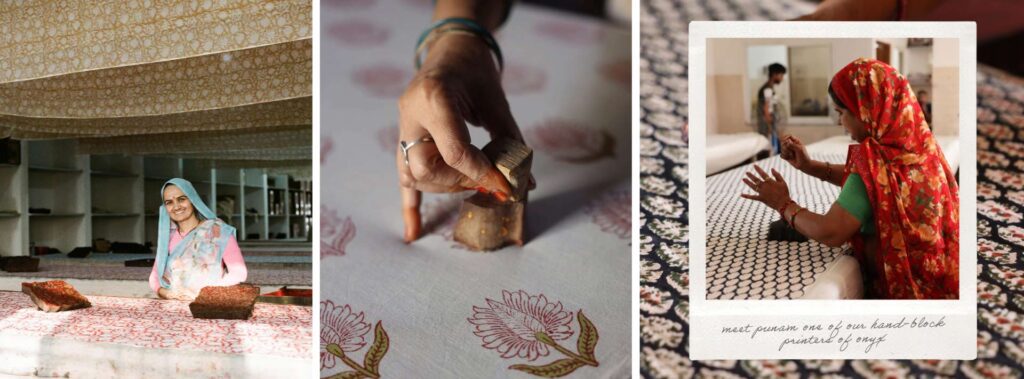
Bangladesh’s Position in the Global Garment Industry
Bangladesh has established itself as a major destination for international apparel manufacturing. Its garment sector employs approximately four million people, predominantly women, and generates more than 80% of the country’s export earnings. The industry is particularly important to the production of ready-made garments for international retail markets.
This manufacturing ecosystem has developed around an extensive network of factories, suppliers, workers, and supporting industries. Its scale allows international buyers to source substantial apparel volumes, while the sector provides employment and income for millions of households.
However, the industry’s competitiveness also comes with significant responsibilities. Large-scale production depends on a workforce whose skills, time, and labour sustain the entire export system.
The economic importance of Bangladesh’s garment industry should therefore be considered alongside the conditions experienced by its workers. Export performance and manufacturing capacity are important indicators, but they do not independently demonstrate whether the people contributing to that success can afford a decent standard of living.
For fashion brands, understanding this relationship is an important part of evaluating their sourcing strategies.
Deepwear’s Presence in Bangladesh
Deepwear has a local office in Bangladesh, giving our team a closer connection to the country’s garment manufacturing sector. Our local presence helps us stay informed about developments in the industry, maintain communication with manufacturing partners, and better understand the conditions affecting production.
We approach sourcing with the understanding that successful manufacturing relationships depend on more than pricing and production capacity. Fair working conditions, realistic production costs, and clear communication are all relevant to building responsible and sustainable partnerships. Our team considers these factors when helping brands navigate sourcing and manufacturing decisions.
Looking for manufacturing partners in Bangladesh? Deepwear’s local team can help you explore sourcing opportunities, connect with suitable suppliers, and assess production options based on your brand’s requirements. Explore our Manufacturing Services.
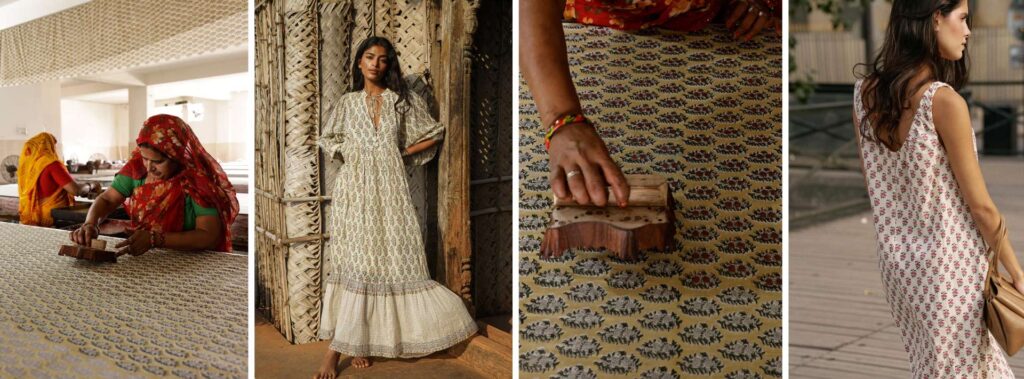
Understanding Bangladesh’s Wage Protests: Minimum Wage vs Living Wage
In November 2026, garment workers in Bangladesh took to the streets demanding an increase in the monthly minimum wage from 12,500 taka to 30,000 taka. Workers cited rising living expenses and inflation as reasons their existing earnings no longer adequately supported their needs.
The demonstrations disrupted manufacturing operations across several industrial areas, with hundreds of factories temporarily closing. Police used tear gas and stun grenades to disperse demonstrators, and clashes resulted in injuries and arrests. The government subsequently established a six-member wage board to review garment-sector compensation.
On November 4, the wage board agreed to introduce a revised pay structure from December, with the first salaries under the new arrangement expected in January 2027. However, the amount of the increase had not yet been determined in the reporting available at the time of writing.
These developments need to be understood in the context of two related but different concepts: minimum wages and living wages.
Minimum wage refers to the legally established lowest level of remuneration employers must pay eligible workers. It provides a statutory baseline, although the amount and how effectively it is enforced vary between countries and industries.
A living wage, meanwhile, considers what workers and their families need to afford a decent standard of living through normal working hours. This includes essential expenses such as:
- Food and drinking water.
- Housing and utilities.
- Transportation.
- Healthcare.
- Education.
- Other necessary household expenses.
The International Labour Organization (ILO) emphasizes that adequate wage-setting needs to consider both workers’ and their families’needs and the economic conditions in which wages are determined. Its living-wage framework also stresses the importance of reliable local data, meaningful participation from employers and workers, and regular reassessment as living costs change.
Consequently, meeting a country’s statutory minimum wage does not automatically establish that workers are earning enough to maintain a decent standard of living.
For a deeper look at this subject, our blog, How Fashion Brands Can Ensure Worker Safety and Fair Wages, explores the relationship between worker welfare, employment standards, and responsible fashion sourcing.
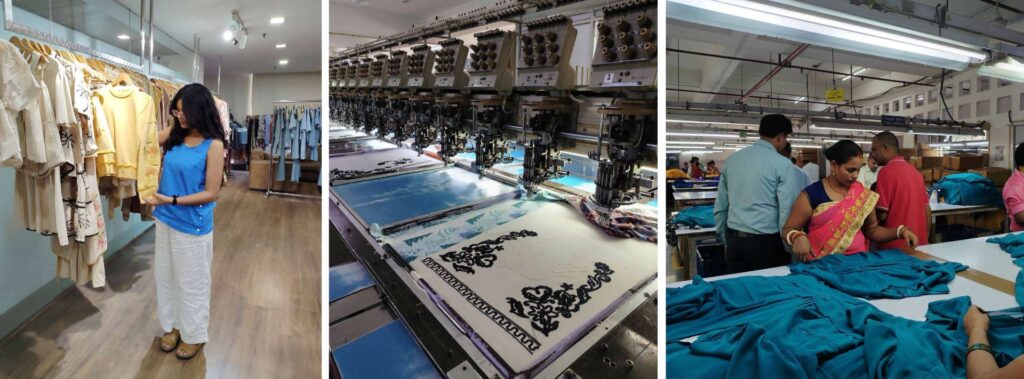
Why Fair Wages Matter to Sustainable Manufacturing
The sustainability of garment manufacturing is often discussed through material selection, production efficiency, waste reduction, and environmental impact. However, its social dimension deserves equal consideration.
Workers are fundamental to the manufacturing process. Their technical knowledge, experience, and workmanship influence everything from garment construction to finishing quality. Yet the economic value generated by international apparel production does not necessarily translate into adequate earnings for everyone involved.
Fair compensation is fundamentally a matter of worker welfare and economic dignity. People working full-time should be able to meet essential living expenses without depending on excessive overtime or sacrificing basic needs.
There are also broader implications for manufacturing operations.
Persistent wage inadequacy can contribute to financial insecurity, workforce turnover, and difficulties retaining experienced employees. Workers under financial pressure may also feel compelled to accept additional working hours to supplement their earnings.
A more stable workforce, supported by fair employment conditions, can contribute to continuity and the retention of valuable production skills. However, these potential operational benefits should complement, rather than replace, the fundamental responsibility to provide fair compensation.
Responsible manufacturing must therefore account for both working conditions and the economic circumstances of the people employed throughout production.
Building a responsible collection starts with understanding how products are sourced and manufactured. Explore Deepwear’s manufacturing and sourcing services to discuss your production requirements with our team.
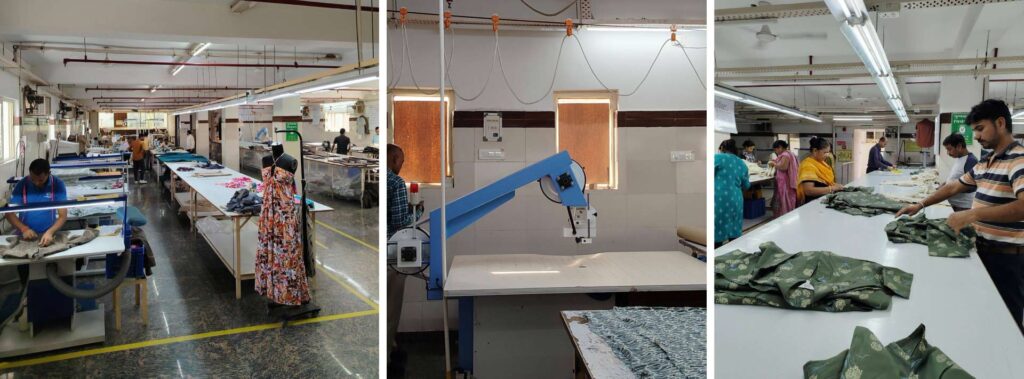
The Manufacturer’s Perspective: Fair Compensation and Business Viability
Fair wages are essential, but implementing meaningful wage improvements also requires consideration of the economic conditions facing manufacturers.
Garment factories operate within competitive international markets. Their operating expenses extend beyond direct labour to include raw materials, electricity, machinery, maintenance, rent, financing, transportation, and regulatory compliance.
Manufacturers must also account for production capacity, order volumes, delivery schedules, and the prices international buyers are willing to pay.
Bangladesh’s manufacturers have raised concerns about increasing operating expenses, energy constraints, and competitive pressure from other manufacturing destinations. These challenges help explain why wage negotiations involve more than determining a new salary figure.
However, financial constraints should not become a justification for maintaining inadequate wages indefinitely. They highlight the need to examine how the economics of garment production are structured and how value is distributed across the supply chain.
For example, improvements in production planning, machinery utilization, material management, and workflow organization may help factories operate more efficiently. Better forecasting and more predictable orders can also support capacity planning and reduce unnecessary operational costs.
At the same time, international buyers need to recognize that manufacturing quotations must account for the actual costs of responsible production.
Our guide, Garment Costing Made Simple: How Deepwear Guides Brands from Concept to Pricing, examines the different components of garment costing, including workmanship, materials, order quantities, and production timelines.
Understanding these components helps brands make more informed pricing decisions without reducing every negotiation to finding the lowest possible unit cost.
International Fashion Brands Have a Role to Play
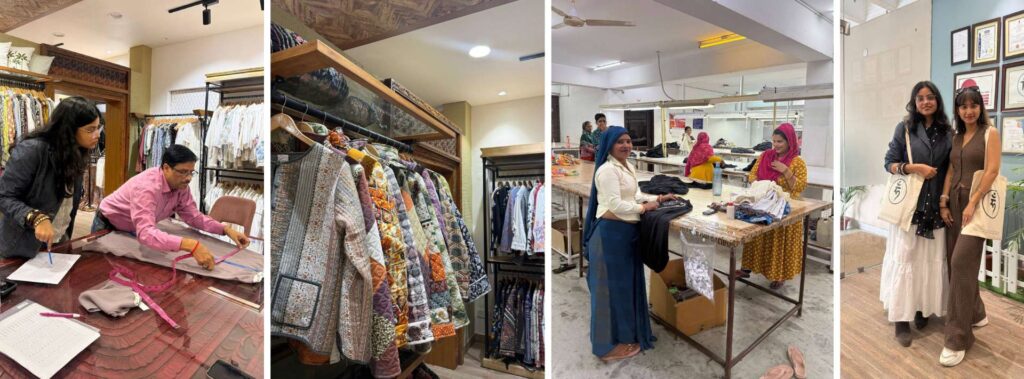
Responsibility for fair employment conditions cannot rest exclusively with garment manufacturers or local governments. International fashion brands also influence the commercial environment in which factories operate.
Purchasing decisions affect supplier margins, production schedules, capacity planning, and the resources available for maintaining employment standards.
The OECD’s 2026 guidance on responsible business conduct in garment and footwear highlights how purchasing practices, short lead times, low margins, and unpredictable orders can contribute to labour-related risks. When factories face intense pressure to reduce prices while meeting demanding production requirements, their ability to invest in better working conditions can become constrained.
Several purchasing practices deserve closer attention.
1. Price negotiations that account for production realities
Brands should understand how quotations are calculated and whether agreed prices allow manufacturers to cover legitimate operating expenses, including labour.
Constantly pushing suppliers toward lower prices without considering their cost structures can create pressure throughout the production process.
2. Realistic production timelines
Unreasonable deadlines and last-minute changes can contribute to excessive overtime and operational strain. Brands should establish schedules that reflect the complexity of product development, material procurement, and manufacturing capacity.
3. Predictable purchasing commitments
Sudden order cancellations, inconsistent volumes, and uncertain purchasing forecasts can make it difficult for manufacturers to plan their workforce and allocate resources effectively.
More predictable business relationships can help factories manage production requirements and employment arrangements.
4. Long-term supplier relationships
Working with manufacturers beyond individual transactions creates opportunities for better communication, operational improvements, and more consistent assessment of working conditions.
These considerations are particularly relevant when developing sourcing strategies across multiple countries.
For further insight, our blog, Supplier Evaluation in Fashion Manufacturing: What Brands Should Actually Verify Before Production, explains why evaluating suppliers requires more than reviewing quotations and approved samples.
What Responsible Sourcing Looks Like in Practice
Fashion brands can take practical steps to incorporate labour considerations into their sourcing and manufacturing decisions. This involves evaluating suppliers beyond their quoted prices and considering how purchasing practices influence factory operations and employment conditions.
|
Area |
What brands can do |
|
Supplier evaluation |
Assess employment practices, workplace conditions, legal compliance, and factory capabilities. |
|
Purchasing prices |
Consider whether agreed prices realistically account for responsible production costs. |
|
Production planning |
Establish achievable timelines and avoid unnecessary last-minute changes. |
|
Order management |
Maintain clearer forecasts and communicate purchasing changes early. |
|
Labour standards |
Review wage policies, working hours, overtime arrangements, and workplace safety. |
|
Supplier relationships |
Encourage ongoing communication and collaboration with manufacturing partners. |
|
Due diligence |
Investigate concerns, follow up on identified risks, and monitor improvements. |
These practices require more than collecting certificates or requesting written declarations from suppliers. Effective due diligence involves understanding how factories operate, identifying potential risks, and following up on whether improvements are being implemented.
Brands should also recognize the limitations of their own visibility. A factory assessment at the final garment assembly stage does not necessarily provide information about every upstream supplier or subcontracted production process.
Responsible sourcing also involves considering the resilience of manufacturing networks. Brands that depend heavily on a single country or a limited number of suppliers may face greater exposure to production interruptions, shipment delays, and unexpected operational challenges. Diversifying manufacturing partnerships can provide additional flexibility, provided that alternative suppliers are evaluated against the same standards for labour conditions, production capabilities, quality, and operational requirements.
Relocating production solely to find lower labour costs does not resolve the underlying challenges associated with responsible manufacturing. Each destination has its own employment regulations, wage structures, infrastructure, and supplier capabilities. Bangladesh remains an important garment manufacturing hub, and its current labour developments should encourage closer examination of sourcing practices rather than an automatic shift towards other countries.
Our article,The Global Manufacturing Reset: Where Fashion Brands Are Producing in 2027, explores how brands are approaching diversified manufacturing networks and why sourcing decisions increasingly involve more than production costs.
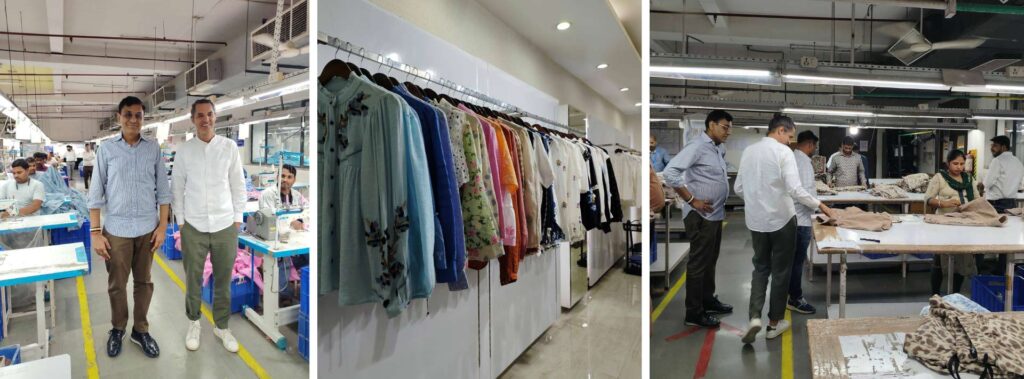
At Deepwear, our supplier evaluation process considers factors such as factory operations, production workflows, communication, sourcing capabilities, and quality assurance. Our teams’ experience visiting manufacturing facilities helps brands assess potential partners beyond their initial quotations and presentations.
Reviewing your current manufacturing partnerships? Deepwear can help investigate supplier capabilities, compare production options, and assess the practical requirements of your next collection. Speak with our sourcing team about your project.
Building a More Equitable Future for Fashion Manufacturing
Bangladesh’s garment industry illustrates a challenge that extends across international fashion supply chains: the relationship between competitive manufacturing, workers’ livelihoods, and the commercial decisions made by global buyers.
Manufacturers need sufficient financial stability to maintain operations and invest in their facilities. Workers need fair compensation, safe workplaces, and employment conditions that support a decent standard of living. Brands need reliable production partners and responsible sourcing practices that account for the realities of manufacturing.
These objectives should not be treated as mutually exclusive.
Achieving meaningful progress requires cooperation between governments, manufacturers, workers’ organizations, and international buyers. Wage-setting needs reliable economic evidence and meaningful worker participation, while brands need to examine how their pricing, timelines, and purchasing commitments influence conditions at supplier facilities.
The long-term competitiveness of garment manufacturing should not depend on keeping wages as low as possible. It should also reflect skilled workforces, responsible employment, operational efficiency, and sustainable business relationships.
At Deepwear, we believe better sourcing decisions begin with understanding the people and production systems behind every garment. By helping brands assess suppliers, navigate manufacturing requirements, and develop informed sourcing strategies, our team supports a more considered approach to fashion production.
A responsible fashion industry is not defined solely by what it produces or how efficiently it operates. It must also consider the people whose work makes that production possible.
Planning your next collection? There are only a handful of questions to work through before identifying suitable manufacturing partners. Book a consultation with Deepwear to discuss your sourcing requirements, production goals, and the considerations that matter to your business.