
Explore how spider silk could shape the future of fashion, from innovative textiles to sustainable material sourcing and manufacturing challenges.
The search for better materials is reshaping the fashion industry. As brands explore alternatives to conventional synthetic fibers and look for ways to improve product performance, biotechnology is opening new possibilities for textile development. Among the materials attracting scientific attention is spider silk, a protein-based fiber known for its combination of strength, elasticity, and low weight.
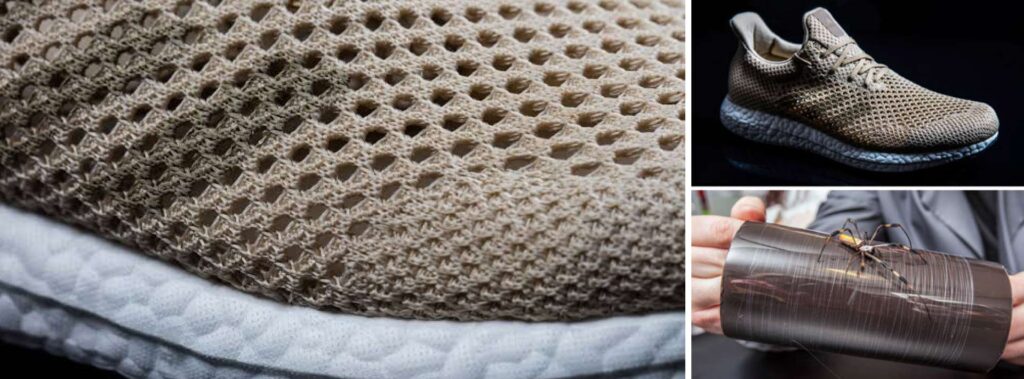
Unlike conventional silk harvested from silkworms, spider silk has historically been difficult to produce in large quantities. However, advances in genetic engineering and recombinant protein production are allowing researchers to investigate ways of manufacturing spider-silk proteins without relying on spiders themselves.
A March 2026 review published in the Journal of Dermatologic Science and Cosmetic Technology, titled Spider silk applications: Dermatologic theranostics, cosmetics, aerospace, textile and electronics, examines the material’s potential across several industries, including textiles, electronics, aerospace, and biomedicine. The review also identifies production costs, scalability, and regulatory requirements as barriers to broader adoption.
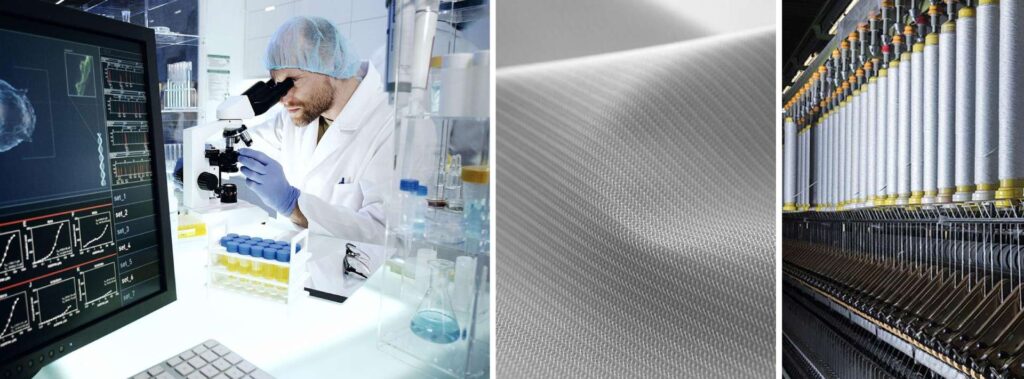
For fashion brands, the implications extend beyond the discovery of another interesting fiber. Spider silk illustrates how innovative textile materials could create new product opportunities while introducing fresh challenges in sustainable material sourcing, supplier selection, and manufacturing feasibility.
Understanding those challenges is essential for brands considering the next generation of fashion materials.
In this blog, we cover:
- How spider silk and innovative textile materials could create new opportunities for fashion brands.
- The role of biotechnology in developing next-generation fabrics and alternative fibers.
- The key challenges of sourcing emerging materials, including availability, cost, scalability, and manufacturing compatibility.
- How to evaluate textile suppliers, verify production capabilities, and assess material quality before manufacturing.
- Why sustainable material sourcing requires evidence-based environmental assessments rather than assumptions.
- How Deepwear helps fashion brands navigate supplier sourcing, product development, manufacturing coordination, and quality control when exploring new product opportunities.
What Makes Spider Silk Different From Conventional Textile Fibers?
Spider silk is a protein-based material produced naturally by spiders for purposes such as building webs, protecting eggs, and creating safety lines. Different types of spider silk have different mechanical properties, but structural silks are particularly interesting to researchers because they combine strength with extensibility.
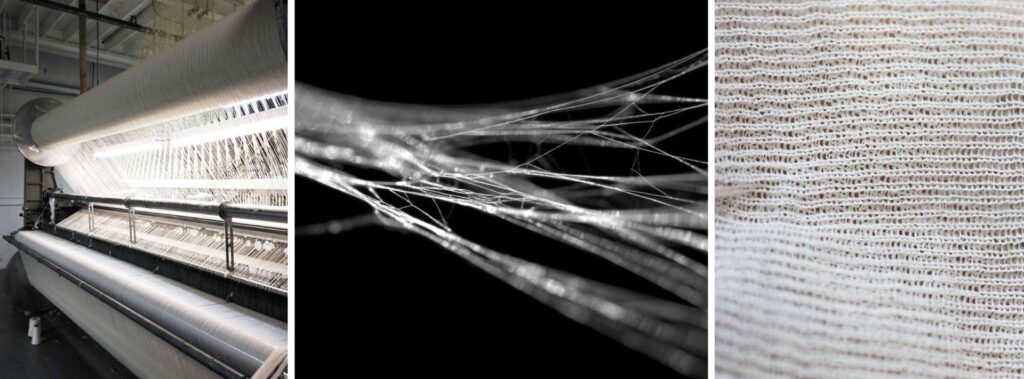
Several characteristics have attracted attention from materials scientists:
- Strength and toughness: Certain spider silks can withstand substantial loads and absorb significant energy before breaking.
- Elasticity: Some types can stretch considerably before failure, making them interesting for applications that require flexibility.
- Low weight: Their favorable mechanical properties relative to mass make them candidates for lightweight materials.
- Biological origin: As protein-based materials, spider silks offer opportunities to investigate biodegradation and biological compatibility.
These properties could be relevant to specialized performance textiles, lightweight fabrics, and other applications where mechanical performance is important.
However, spider silk is not universally stronger or more durable than every conventional fiber. Its performance depends on the silk type, molecular structure, manufacturing method, and conditions of use.
How Biotechnology Is Changing Spider Silk Production
One of the main obstacles to using natural spider silk commercially is the difficulty of producing large quantities through conventional spider farming, therefore, researchers have investigated recombinant production methods. These involve introducing genetic instructions for spider-silk proteins into other organisms, such as bacteria or yeast, which can produce the proteins under controlled conditions.
The resulting proteins must then be recovered and processed into fibers or other material forms. However, producing a spider-silk protein is not the same as manufacturing a high-performance textile. The finished fiber’s properties depend on protein composition, molecular organization, and the spinning process. Even a promising protein may produce an unsuitable material if the manufacturing method fails to reproduce the structural characteristics needed for the intended application. To address these challenges, researchers are investigating artificial spinning techniques and improved production systems.
The broader development of biotechnology in textile manufacturing could eventually expand the range of materials available to fashion brands. Nevertheless, the commercial potential of spider silk depends on more than scientific progress. Manufacturers must also establish consistent production, competitive costs, and reliable supply.
Looking for the Right Manufacturing Partner? Deepwear helps fashion brands identify manufacturing partners, evaluate production capabilities, and navigate sourcing decisions. Explore Deepwear’s Sourcing Services.
Where Could Spider Silk Fit Into the Fashion Industry?
Although spider silk is still an emerging material, its properties provide several possible directions for future textile development.
1. Performance and technical textiles
The combination of strength, extensibility, and low weight makes spider silk interesting for research into specialized technical fabrics.
Potential applications include lightweight performance materials and textile structures designed for particular mechanical requirements.
However, suitability must be demonstrated through application-specific testing. A fiber’s laboratory performance does not automatically establish its durability, comfort, washability, or suitability for a finished garment.
2. Luxury and experimental fashion
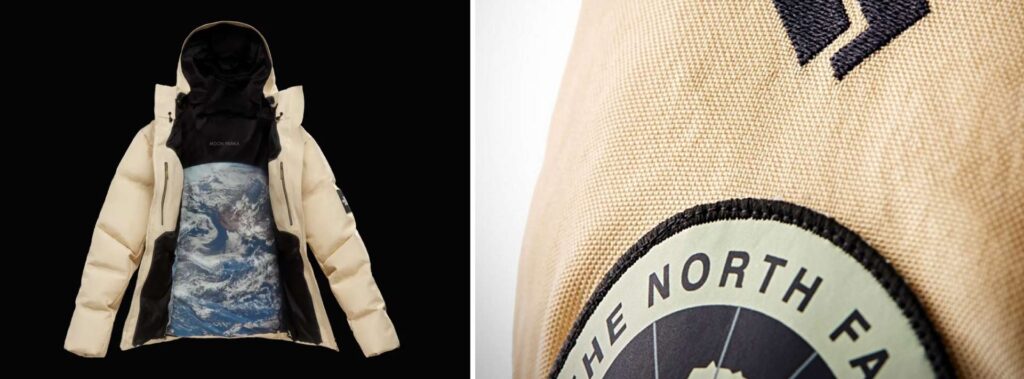
Innovative materials can also create opportunities for designers seeking distinctive product characteristics or new approaches to material development.
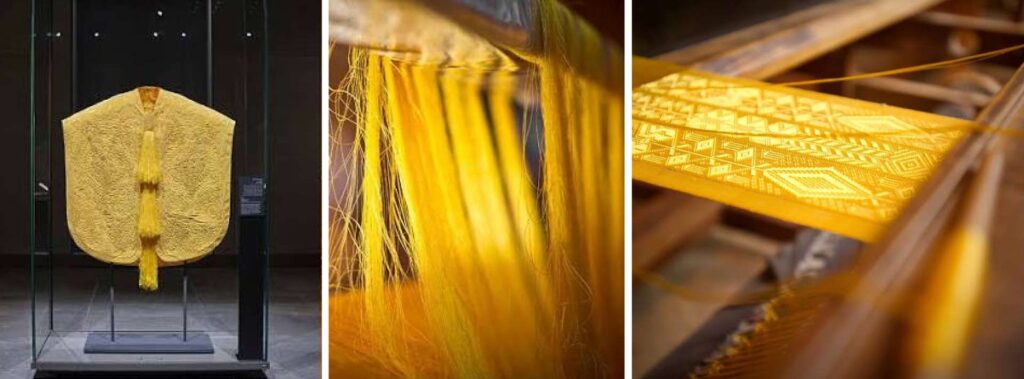
Engineered silk proteins may eventually contribute to experimental textiles, specialty fabrics, or limited applications in luxury fashion.
Commercial adoption will depend on material availability, production costs, processing requirements, and the ability to achieve consistent quality.
For brands developing collections around unconventional materials, early evaluation is essential. The material must work with the design, meet the product’s specifications, and be compatible with the manufacturing capabilities available.
3. Smart textiles and advanced materials
The ScienceDirect review also discusses spider silk’s potential in electronics, including research into flexible sensors and biodegradable sensing materials.
This work illustrates how material innovation increasingly intersects with other technologies. Future textile products may incorporate electronic components, sensing functions, or specialized material structures.
These developments remain subject to technical and commercial constraints. Integrating electronics into garments, for example, introduces additional requirements involving assembly, durability, compatibility, and quality testing.
For fashion manufacturers, such innovations reinforce the importance of evaluating the entire product system rather than treating the fabric as an isolated component.
Why Innovative Materials Are Difficult to Scale
A material can perform exceptionally well in a laboratory and still struggle to reach commercial production.
For spider silk, several challenges remain:
- Production costs and availability. Manufacturing recombinant proteins, recovering them, and converting them into usable fibers can be expensive. Production capacity must also be sufficient to meet a brand’s volume requirements.
- Manufacturing compatibility. A new fiber may require specialized processing, equipment, or finishing techniques. Existing factories may not have the capabilities needed to work with it effectively.
- Quality consistency. Commercial production requires repeatable specifications and predictable performance across batches. Variations in the material or manufacturing process can affect the finished product.
- Commercial feasibility. Material costs, minimum order quantities, lead times, and development expenses must fit the brand’s commercial objectives.
These considerations are not unique to spider silk. They also arise when brands explore recycled fibers, bio-based textiles, and other emerging materials.
Deepwear examines similar practical considerations in Working With Recycled Materials: Key Considerations for Fashion Brands. In this blog, we explore how processing requirements, material variability, production capacity, and quality considerations influence the feasibility of working with alternative materials.
The same principle applies to spider silk: material innovation must be evaluated alongside sourcing requirements, manufacturing capabilities, and production economics.
How Fashion Brands Should Evaluate Emerging Materials
Brands do not need to wait for spider silk to become a mainstream textile before learning how to evaluate emerging materials. Establishing a clear assessment process can help them investigate new opportunities without making premature commitments.
1. Confirm material availability
Determine whether the material is commercially available, supplied in pilot quantities, or still under development.
Clarify the exact material composition and form. Recombinant spider-silk proteins, spider-silk-inspired polymers, and blends containing engineered silk components are not necessarily interchangeable.
2. Assess supplier capabilities
A supplier’s ability to provide a sample does not necessarily demonstrate its ability to manufacture at scale.
Brands should examine production capacity, relevant technical experience, sourcing arrangements, quality systems, and the supplier’s ability to maintain consistent specifications.
Deepwear explores these considerations in Supplier Evaluation in Fashion Manufacturing: What Brands Should Actually Verify Before Production. In this blog, we explain why supplier evaluation should extend beyond initial samples and quotations to include workflow organization, sourcing capabilities, production planning, communication, and quality control.
3. Test the material against the intended application
Material selection should begin with the product’s actual requirements.
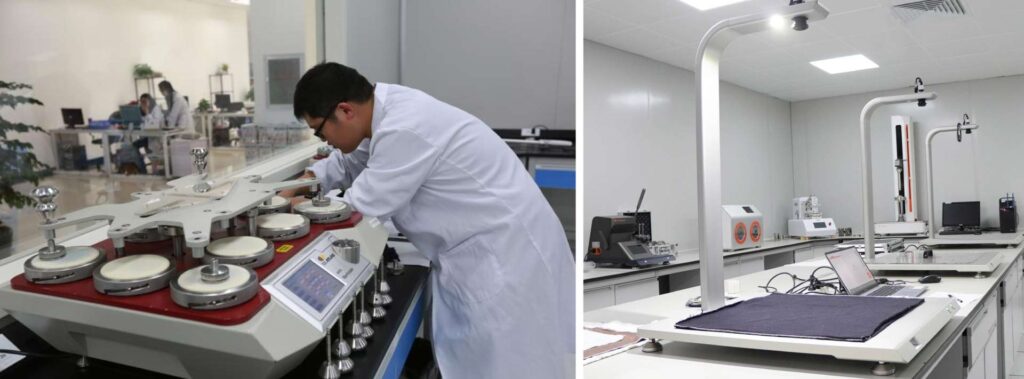
Depending on the intended use, testing may need to assess tensile strength, elongation, abrasion resistance, dimensional stability, colorfastness, or other relevant characteristics.
Not every test applies to every material. The testing plan should reflect the product specification and the conditions the finished item is expected to withstand.
4. Evaluate production costs and lead times
Additional expenses may arise from specialized processing, development samples, testing, finishing, manufacturing adjustments, and quality inspections.
Brands should also establish realistic lead times and minimum order quantities before committing to a collection or production schedule.
5. Verify sustainability claims
A biological origin does not automatically make a material sustainable. Meaningful assessment considers feedstock production, energy use, manufacturing yields, chemical processing, transportation, durability, and end-of-life treatment.
Brands should request relevant technical documentation and environmental evidence rather than relying on broad claims such as eco-friendly or biodegradable.
For a broader perspective on responsible production, Deepwear’s A Guide to Ethical Sourcing and Manufacturing explains the importance of supplier assessment, factory conditions, transparency, and substantiating claims about responsible manufacturing.
Where Deepwear Fits Into Material Innovation
For fashion brands, investigating an emerging material involves more than identifying an interesting fiber. It requires determining whether the material can be sourced, developed, and manufactured in a way that meets the product’s technical and commercial requirements.
This is where fashion sourcing and manufacturing become central to the development process.
Deepwear supports brands through supplier sourcing, factory evaluation, product development coordination, and production oversight. These activities can help brands assess manufacturing options and identify practical constraints before moving into production.
The process begins with the product brief: what the material needs to achieve, which specifications must be met, what budget is available, and what production volumes are realistic.
Potential manufacturing partners can then be evaluated against those requirements. Sampling and product development provide opportunities to identify technical issues, while production planning helps establish realistic expectations for cost, timing, and quality.
Deepwear’s approach to quality management is discussed in Quality Assurance in Jewelry Manufacturing: Deepwear Approach. Although we primarily focused on jewelry, our discussion of raw-material inspection, manufacturing feasibility, in-process checks, and final inspection illustrates the broader importance of defining and verifying quality requirements throughout production.
The specific tests and technical processes required for textiles will differ from those used for jewelry. The underlying principle remains relevant: product specifications and quality expectations need to be established before manufacturing begins.
Spider silk itself remains an emerging material, and its suitability for any particular project would require a case-specific assessment. Deepwear’s role is not to imply that the material is already widely available, but to help brands approach sourcing and manufacturing decisions with a clear understanding of their requirements.
The Future of Spider Silk in Fashion
Spider silk demonstrates how biotechnology and materials engineering could expand the possibilities for textile development. Its combination of mechanical properties has attracted research interest, while recombinant production methods offer potential routes to manufacturing without harvesting silk directly from spiders.
However, substantial work remains before spider silk can become a widely accessible fashion material. Production costs, scalability, fiber processing, quality consistency, and environmental performance all require careful evaluation.
For fashion brands, the immediate opportunity is not necessarily to incorporate spider silk into the next collection. It is to develop a more informed approach to evaluating the next generation of materials.
That means understanding what a material can demonstrably deliver, verifying supplier capabilities, testing performance against product requirements, and assessing whether production can meet the brand’s budget and timeline.
As material innovation progresses, responsible sourcing, textile supplier evaluation, and manufacturing feasibility will remain essential to turning promising research into commercially viable products.
Exploring new materials for your next collection? Deepwear helps fashion brands evaluate sourcing options, identify suitable manufacturing partners, and coordinate product development with quality and production requirements in mind. Start a conversation with our team.