
Discover how craftsmanship is reshaping fashion manufacturing for 2027, from specialist workshops and skilled garment workers to sourcing, production scalability, and quality assurance with Deepwear.
The Spring/Summer 2027 fashion weeks offered a reminder that technical skill remains central to fashion design. Milan’s luxury collections highlighted intricate embellishment, considered construction, and material treatments, while London’s design scene continued to make room for individuality and skilled making.
For fashion brands, these developments raise a practical question: how can craftsmanship translate from a runway concept into a commercially viable collection?
Detailed embroidery, complex pleating, hand finishing, and specialized tailoring require specific skills, appropriate equipment, and sufficient time. Their commercial viability depends on how well brands plan for those requirements during product development and supplier selection.
In this blog, we cover:
- Why craftsmanship is influencing fashion manufacturing strategy for 2027
- Which artisanal techniques can translate into commercial production
- When to work with specialist workshops or larger manufacturers
- How to evaluate suppliers, samples, and quality assurance requirements
- Where brands can explore different craftsmanship and manufacturing capabilities
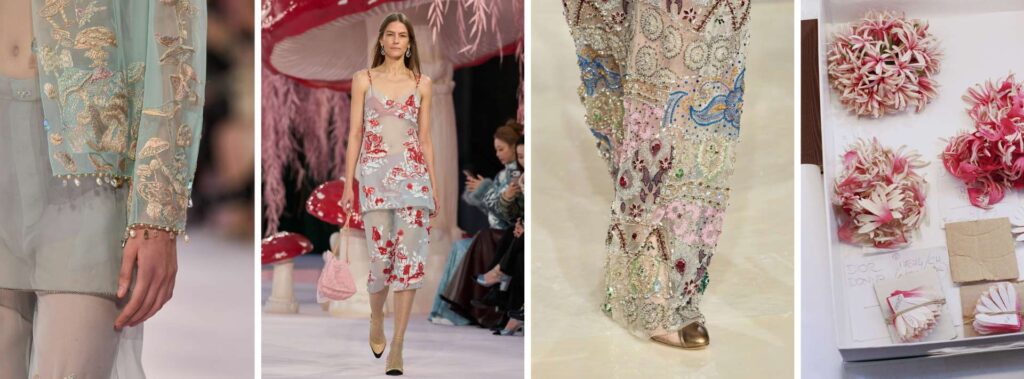
1. Why Craftsmanship Is Changing Manufacturing Strategy
Craftsmanship affects more than a garment’s appearance. It influences how a product is developed, which materials can be used, how production is organized, and how consistently the finished piece can be reproduced.
A design featuring extensive hand embroidery, for example, requires different planning from a basic garment made using standardized construction methods. Brands need to account for the time required per piece, the availability of skilled workers, the complexity of the design, and the level of variation acceptable between units.
These considerations become particularly important when moving from a prototype to bulk production. A sample can demonstrate that a technique is possible, but it does not automatically establish whether the same result can be reproduced across an entire order within the available budget and schedule.
Our guide, The Global Manufacturing Reset: Where Fashion Brands Are Producing in 2027, explores how manufacturing specialization and supplier diversification influence sourcing decisions. These considerations are relevant when a collection requires capabilities that may not be available from one production partner.
2. Which Craft Techniques Can Scale?
The commercial potential of a craft technique depends on its complexity, production method, material requirements, and intended order quantity. Some techniques can be standardized for larger runs, while others are better suited to limited collections or products with higher margins.
| Technique | Manufacturing considerations | Potential production approach |
| Hand embroidery | Stitch density, worker skill, placement, and time per garment | Specialist embroidery workshops or a combination of machine and hand embroidery |
| Beading and embellishment | Attachment strength, weight, placement consistency, and handling time | Specialist workshops, with clear placement references and approved samples |
| Intricate pleating | Fabric behavior, heat or pressing requirements, and shape retention | Manufacturers experienced in structured garments and specialized finishing |
| Lace and openwork | Material availability, fragility, construction, and finishing | Specialist textile suppliers working alongside suitable garment manufacturers |
| Crochet and hand knitting | Stitch consistency, production speed, yarn availability, and sizing | Artisan-led production or specialist knitwear suppliers |
| Appliqué and decorative finishing | Edge treatment, attachment method, alignment, and durability | Apparel manufacturers with suitable finishing capabilities |
| Artisanal tailoring | Pattern development, fit, construction, and hand-finishing requirements | Experienced tailoring workshops or premium garment manufacturers |
Some techniques can combine machine-based processes with hand finishing, depending on the design and the result required. Material compatibility also needs to be tested during development: fabrics may behave differently under dense embroidery, intricate pleating, or repeated handling. Sampling the intended material and technique together helps establish whether the desired finish is practical for production.
Heritage textiles present another consideration. Their value may depend on the weaving method, finishing, or expertise required to work with them. Our guide, Thai Silk: Heritage, Craftsmanship, and Global Luxury Sourcing, examines the relationship between traditional textile knowledge and modern sourcing requirements.
Not sure which manufacturing method suits your design? Our team can help you explore suitable manufacturing partners based on your product specifications, target quantity, budget, and intended finish. Contact Deepwear to discuss your collection.
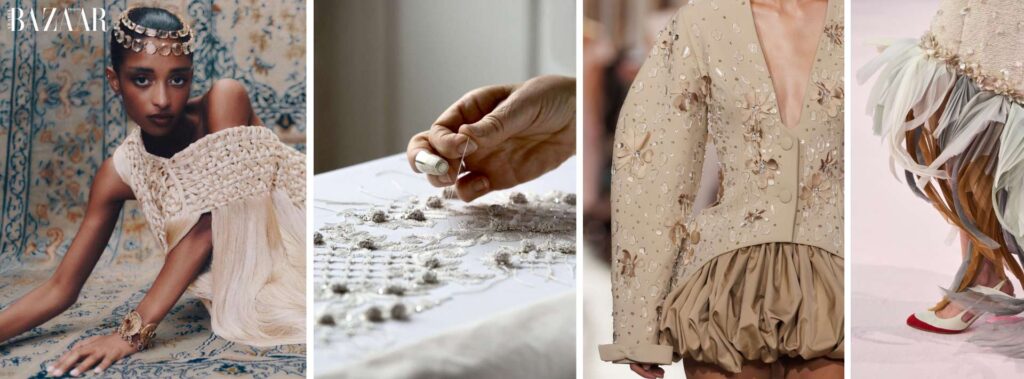
3. Specialist Workshops or Larger Manufacturers?
Choosing between a specialist workshop and a larger manufacturer depends on the order quantity, certification requirements, materials, and level of contractual responsibility the project demands.
Specialist workshops are often suitable for smaller orders when formal certifications are not required and the client is willing to use off-the-shelf fabrics. They tend to offer greater flexibility, more tailored production, and the ability to accommodate limited quantities. The trade-off is that they may lack the certifications or export capabilities required for certain projects. Some may also be unwilling to sign formal contracts or assume the same level of responsibility as an established factory. Brands should weigh this against the workshop’s technical expertise, pricing, and suitability for the product.
Larger manufacturers are generally better suited to projects that require formal certifications, export capabilities, and more structured production arrangements. Their minimum order quantities (MOQs) typically range from 100 to 200 pieces per style and color, depending on the factory and product category. While these requirements can make them less practical for small runs, larger manufacturers may offer the formal processes and production capacity that more demanding projects require.
Working with multiple suppliers can be a practical solution when a collection spans different product categories or requires specialized techniques. Each supplier can focus on the products or processes within its area of expertise, allowing brands to combine different capabilities within one collection. This arrangement requires clear coordination of specifications, materials, production schedules, and responsibilities across all parties.
At Deepwear, we help brands assess these trade-offs against their specific requirements, identify suitable workshops or manufacturers, and coordinate suppliers across product categories. The objective is to establish a production structure that fits the order volume, technical requirements, and level of accountability the project calls for.
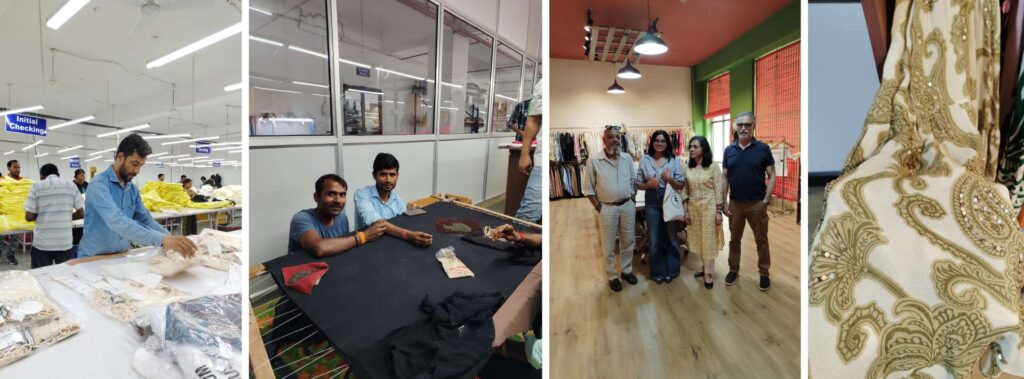
4. Evaluating Manufacturers Before Production
A compelling sample is a useful starting point, but it should form part of a broader supplier assessment. Brands need to understand how a manufacturer works, what its team can produce consistently, and whether its processes match the requirements of the order.
Before committing to production, consider the following:
- Technical capability: Can the supplier demonstrate experience with the specific construction, material, embellishment, or finishing technique? Ask for relevant examples rather than relying only on a general portfolio.
- Sampling and development: Can the supplier develop a sample that reflects the intended materials, construction, fit, and finish? Establish how many revisions may be required and who approves each stage.
- Production capacity: How much work can the supplier accommodate within the required period? Discuss current workload, production planning, and the availability of workers with the necessary skills.
- Consistency: How will the supplier maintain placement, sizing, stitching, color, and finishing standards across the order? Reference samples, technical specifications, and documented acceptance criteria can help clarify expectations.
- Quality assurance: What checks are appropriate for the product, and at which stages will they take place? Highly embellished or delicate garments may require particular attention to attachment strength, surface damage, and handling.
- Communication and coordination: Who will manage approvals, material questions, production updates, and changes? This becomes especially important when several suppliers contribute to one finished product.
For craftsmanship-led products, brands should also establish how specialist labor and finishing requirements affect unit pricing and production schedules before confirming the order.
For more guidance, read Supplier Evaluation in Fashion Manufacturing: What Brands Should Actually Verify Before Production and What We Learned After Visiting 1,000+ Factories Across Europe, Asia, Turkey & Morocco.These resources explore supplier assessment and the practical insights gained from on-the-ground visits.
Have questions about supplier selection, sampling, or quality assurance? Our team can help you identify the capabilities your project calls for and the questions worth resolving before production begins. You only need a handful of questions to start the conversation. Book a consultation with Deepwear.
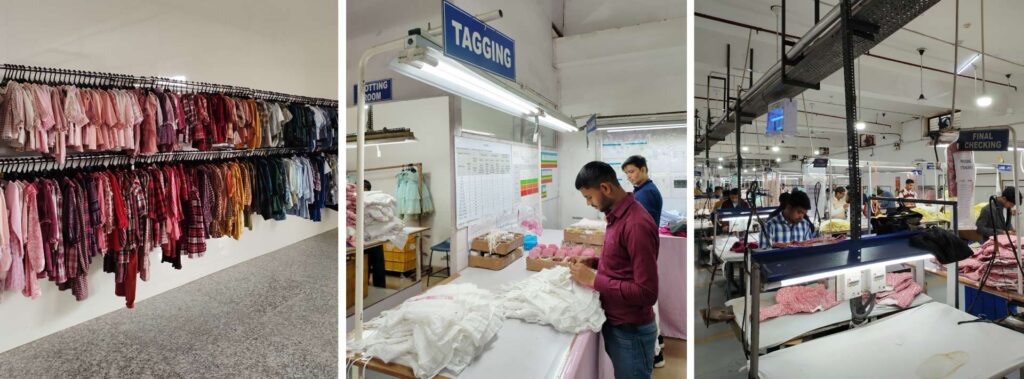
5. Where Can Brands Source Craftsmanship and Manufacturing Expertise?
Different manufacturing markets offer different combinations of textile production, garment construction, specialist skills, and supplier infrastructure. The following overview provides starting points for research, rather than a guarantee that every capability is available from every supplier in a country.
| Country | Capabilities worth exploring |
| Italy | Premium tailoring, complex garment construction, leatherwork, and decorative finishing |
| Portugal | Apparel development, knitwear, textile processing, and garment construction |
| Turkey | Textile production, denim, knitwear, garment construction, and specialist finishing |
| India | Hand embroidery, beadwork, embellishment, and traditional textile techniques |
| Thailand | Heritage textiles, silk weaving, value-added apparel, and selected specialist accessories |
| Vietnam | Apparel manufacturing and garment construction |
| China | Integrated textile supply chains, embroidery, machine-assisted decoration, and specialist manufacturing |
| Morocco | Apparel production and selected textile or embroidery capabilities, subject to supplier expertise |
Country-level strengths are only one part of the decision. The relevant question is whether an individual supplier has the skills, capacity, material access, and production processes required for a particular collection.
Brands should also consider the wider sourcing arrangement. Working across several markets can provide access to specialized capabilities, but it may affect lead times, freight costs, communication, and the coordination of samples and materials.
Deepwear’s teams work across our office markets and coordinate with manufacturers, suppliers, and artisans according to each project’s requirements. We help brands explore relevant production capabilities across these markets while accounting for the practical demands of working with multiple suppliers.
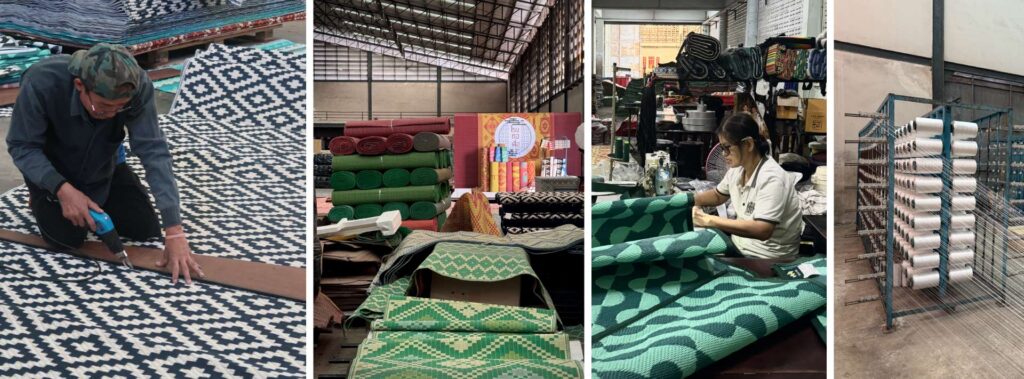
6. Skilled Workers, Capacity, and the Cost of Craft
Skilled labor is a central consideration in craftsmanship-led production. The availability of workers with the required expertise can affect production capacity, lead times, and unit pricing, particularly for labor-intensive techniques such as hand embroidery and detailed finishing.
For 2027 collections, brands should account for these requirements when setting prices and planning launch dates. The cost of a crafted product reflects not only its materials and construction, but also the specialist work needed to achieve the intended result.
Deepwear founder and CEO Thoray d’Haese Sacoor brings extensive fashion industry and sourcing experience to the challenge of matching brands with appropriate production partners. This perspective informs how our team approaches craftsmanship-led sourcing: identifying the capabilities a product requires, assessing potential suppliers, and structuring production around the brand’s commercial objectives.
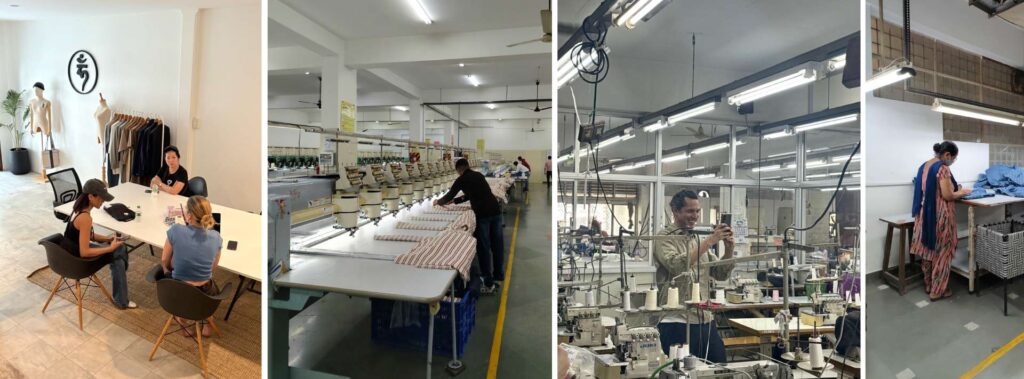
Building a Manufacturing Strategy for 2027
Craftsmanship can distinguish a collection, but bringing it to market requires a production structure that fits the design and the business behind it. For brands preparing their 2027 collections, the practical starting point is to identify which techniques require specialist expertise, test the intended materials, and select suppliers according to their actual capabilities.
The next step is to determine whether one manufacturer can handle the collection or whether specialist workshops and multiple suppliers need to work together. Order quantities, certification requirements, contractual responsibilities, and export capabilities should all inform that decision. These factors affect which production partners are suitable and how responsibilities need to be organized.
What does your next collection need from its manufacturing partners? Contact our team to discuss your requirements.