
Discover what makes Turkish Cotton a preferred choice for premium apparel. Learn how cotton quality, the Aegean growing region, and responsible sourcing influence garment manufacturing and long-term product performance.
When people think about garment quality, they often picture skilled sewing operators, modern machinery, or rigorous quality inspections. In reality, many of the characteristics that define a premium garment are determined long before fabric reaches a factory. The journey starts in the cotton field.
The quality of raw cotton influences nearly every stage of production, from yarn spinning and fabric dyeing to the durability and feel of the finished garment. Choosing the right fiber is one of the earliest and most important decisions in Cotton Sourcing, particularly for brands developing premium collections.
Among the world’s leading cotton-producing countries, Türkiye has earned a reputation for producing high-quality Turkish Cotton that is valued for its strength, softness, and consistency. The country’s favorable growing conditions, combined with decades of textile expertise, have made it a preferred sourcing destination for fashion brands, home textile manufacturers, and luxury retailers alike.
In this blog we cover:
- Why Turkish Cotton is considered naturally GMO-free
- Why the Aegean region produces exceptional cotton
- How cotton quality influences manufacturing
- How brands can source Turkish Cotton with greater confidence
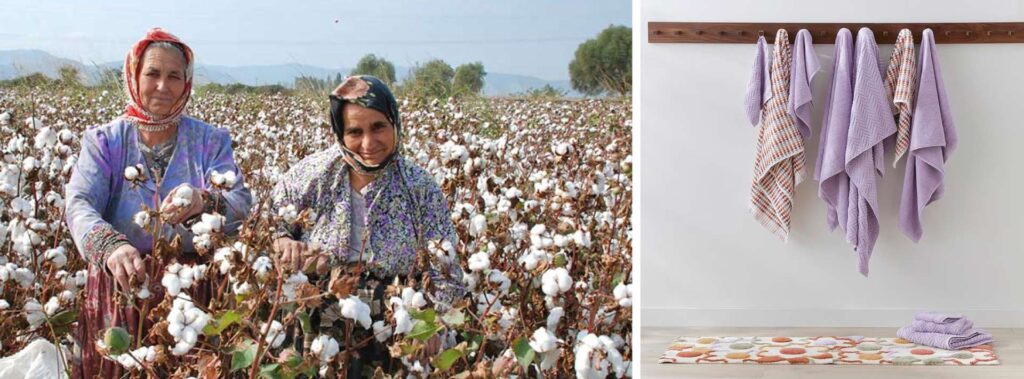
Why Turkish Cotton Is Valued by Global Fashion Brands
Not all cotton fibers perform the same. Fiber length, strength, fineness, and consistency all affect how yarn is spun and how a finished garment performs over time. Turkish Cotton has built a strong international reputation because it offers an excellent balance between softness and durability, making it suitable for a wide range of premium textile applications.
Unlike fibers that prioritize softness alone, Turkish Cotton maintains good structural integrity. This allows manufacturers to produce fabrics that remain comfortable while resisting excessive wear after repeated washing and use. The fiber also absorbs dyes effectively, helping achieve vibrant, even coloration across garments.
Some of the characteristics that make Turkish Cotton attractive to manufacturers include:
| Characteristic | Benefit |
| Long staple fibers | Produce smoother, stronger yarns with fewer loose fibers |
| High durability | Helps garments maintain their structure over repeated use |
| Soft hand feel | Creates comfortable fabrics without sacrificing strength |
| Excellent breathability | Suitable for warm-weather apparel and everyday basics |
| Strong dye absorption | Supports rich, consistent color across production batches |
These qualities allow manufacturers to use Premium Cotton across many product categories, including:
- Luxury T-shirts
- Denim
- Knitwear
- Polo shirts
- Towels
- Bedding
- Home textiles
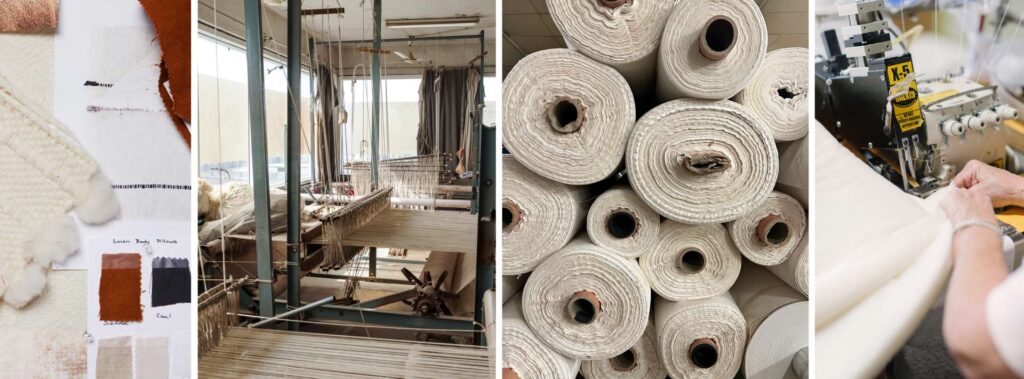
For brands focused on quality, the value of Turkish Cotton extends beyond the fiber itself. It also supports efficient Turkish Textile Manufacturing, where cotton cultivation, spinning, weaving, knitting, dyeing, and garment production can all take place within the same country. This integrated ecosystem simplifies production while allowing closer oversight throughout the manufacturing process.
Planning to source premium cotton garments? Deepwear helps brands identify verified manufacturing partners across Türkiye, evaluate production capabilities, and build reliable sourcing strategies from material selection through finished garments. Start a conversation with our sourcing team.
Why the Aegean Region Produces Some of Türkiye’s Best Cotton
When discussing premium Turkish Cotton, one region consistently stands out: the Aegean.
Located along Türkiye’s western coastline, the Aegean combines fertile soil, a Mediterranean climate, and favorable harvesting conditions that allow cotton plants to mature gradually. These environmental factors contribute to consistent fiber development and reliable crop quality from season to season.
Several provinces are particularly well known for cotton cultivation, including:
- İzmir
- Aydın
- Manisa
These areas benefit from:
- Long, warm growing seasons
- Well-drained, mineral-rich soils
- Balanced rainfall and irrigation systems
- Plenty of sunshine during the growing cycle
- Stable harvesting conditions that help preserve fiber quality
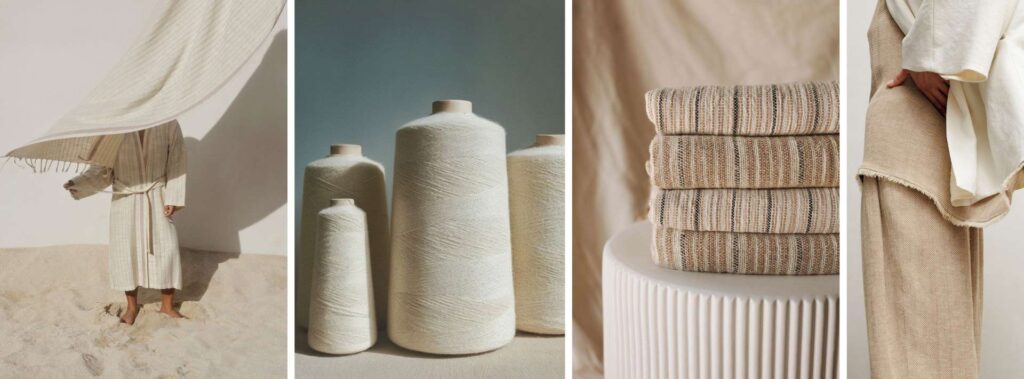
The result is Aegean Cotton that is prized for its consistency, making it well suited for premium yarns and fabrics destined for apparel, towels, and home textiles.
For fashion brands, geography matters because environmental conditions directly affect the raw material entering the production chain. Selecting cotton from established growing regions can contribute to more predictable manufacturing outcomes and consistent fabric performance.
GMO-Free Cotton, Organic Cotton, and Better Cotton: Understanding the Difference
Terms like “GMO-free,” “organic,” and “Better Cotton” are often used together, but they describe different aspects of cotton production. Confusing these terms can lead to inaccurate marketing claims and misunderstandings about what a material actually represents.
Commercial cultivation of genetically modified cotton is prohibited in Türkiye, which is why Turkish Cotton is generally regarded as GMO-Free Cotton. However, this does not automatically mean the cotton is organically grown or certified under a sustainability program.
The distinctions are important.
| Category | What It Means | What It Does Not Mean |
| GMO-Free Cotton | Produced from non-genetically modified cotton varieties | Does not guarantee organic farming or sustainability certification |
| Organic Cotton | Produced under certified organic farming standards with strict input requirements | Does not automatically indicate participation in Better Cotton |
| Better Cotton | Cotton grown by licensed farmers following continuous improvement principles for environmental, social, and economic performance | It is not a fiber type or a guarantee that the cotton is organic |
For brands, understanding these differences is essential when making sustainability claims or selecting suppliers. Verifying documentation and certification helps ensure marketing language accurately reflects how the cotton was produced.
Why Cotton Quality Matters Throughout Turkish Textile Manufacturing
High-quality cotton is only the starting point. Turning premium fiber into a premium garment requires every stage of Turkish Textile Manufacturing to preserve those qualities. Even the best cotton can produce disappointing results if spinning, knitting, dyeing, or finishing are poorly managed.
This is where manufacturing oversight becomes just as important as material selection.
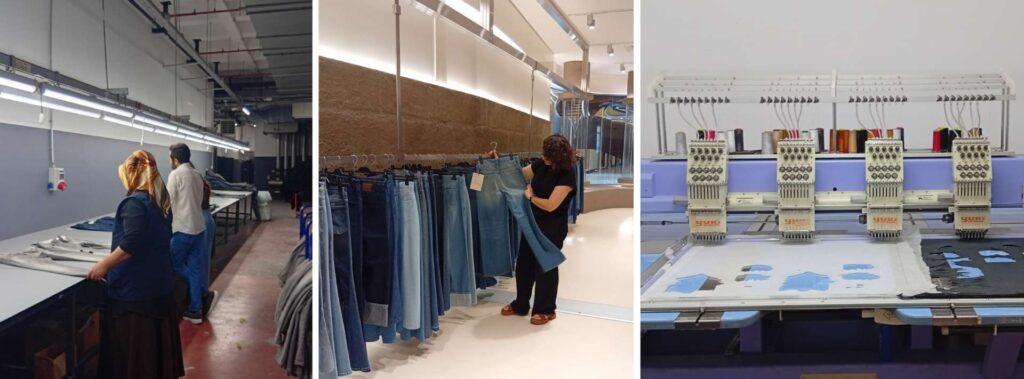
At Deepwear, evaluating a manufacturing partner goes beyond reviewing certifications or production capacity. Our team looks at how factories handle the entire production process, from raw material sourcing to finished garments. During factory visits and supplier evaluations, we assess whether production systems are capable of maintaining the quality that premium Turkish Cotton is known for.
Some of the areas we evaluate include:
| Manufacturing Stage | What Deepwear Evaluates |
| Yarn spinning | Fiber consistency, yarn quality, and process controls |
| Knitting and weaving | Fabric uniformity, machine capability, and defect prevention |
| Dyeing | Color consistency, shade matching, and process stability |
| Fabric finishing | Shrinkage control, fabric hand feel, and finishing quality |
| Garment production | Construction quality, sewing standards, and workmanship |
| Quality assurance | Sample inspections, defect identification, and corrective actions |
This approach reflects what we’ve observed during factory visits across our global manufacturing network. Well-run factories share common characteristics: standardized operating procedures, experienced production teams, and a strong quality culture. Those systems often have a greater impact on consistent results than machinery alone. These observations reflect patterns we’ve seen across our global network. In What We Learned After Visiting 100+ Factories Across Europe & Asia, we share the operational practices that consistently separate high-performing manufacturers from the rest.
For products such as premium denim, knitwear, and luxury basics, preserving cotton quality throughout production is essential. Strong fibers help produce smoother yarns, more consistent fabrics, improved dye performance, and garments that retain their appearance after repeated wear.
By combining supplier evaluation, factory verification, production management, and quality assurance, Deepwear helps brands protect the value of their material investment from the cotton field to the finished product.
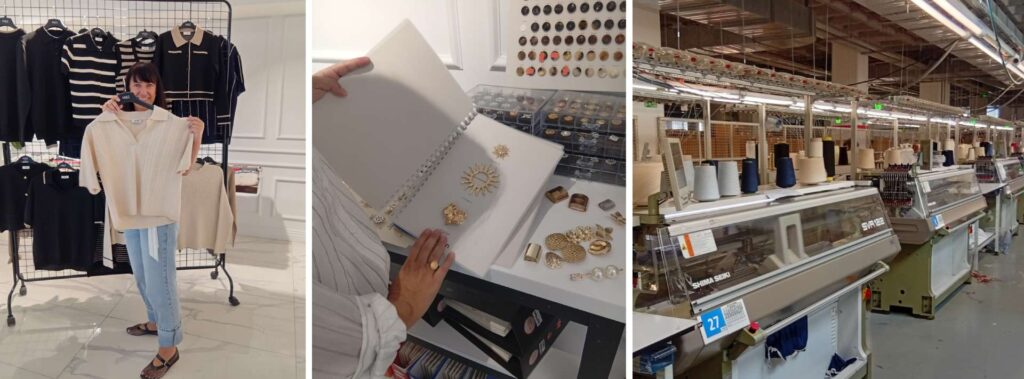
How Deepwear Helps Brands Source High-Quality Turkish Cotton Products
Finding quality cotton is only one part of building a successful apparel collection. Brands also need manufacturing partners capable of maintaining that quality throughout product development and production.
Deepwear works with a global network of carefully evaluated manufacturers, including partners in Türkiye, to help brands source products that align with their quality, pricing, and production goals.
Our support extends across the manufacturing process, including:
- Supplier sourcing and evaluation
- Factory verification
- Product development
- Sampling coordination
- Production management
- Quality assurance inspections
- Logistics coordination
- Supply chain transparency
Rather than recommending a single factory for every project, we match brands with manufacturing partners based on their product category, order requirements, quality expectations, and timeline. Whether you’re producing premium basics, denim, knitwear, or home textiles, our team helps reduce sourcing uncertainty by connecting you with manufacturers that fit your specific needs.
By combining local manufacturing knowledge with on-the-ground support, Deepwear helps brands make informed sourcing decisions from raw material selection through final production.
Is Turkish Cotton always GMO-free?
Commercial cultivation of genetically modified cotton is prohibited in Türkiye, which is why Turkish Cotton is generally considered GMO-Free Cotton. However, brands should avoid assuming that every product labeled as Turkish cotton automatically meets every sustainability claim. GMO-free, organic, and Better Cotton represent different concepts. Before making product or marketing claims, brands should request appropriate documentation, verify certifications where applicable, and work with trusted sourcing partners that can provide greater supply chain transparency.
Source Premium Turkish Cotton with Confidence
Choosing the right cotton begins with understanding where it comes from, but successful production depends on much more than fiber quality alone. Supplier selection, manufacturing expertise, quality assurance, and transparent communication all contribute to the final product.
Whether you’re sourcing premium basics, denim, knitwear, or home textiles, Deepwear helps brands connect with verified manufacturers across Türkiye and beyond. From supplier evaluation and product development to quality assurance and production management, our team helps you build a reliable supply chain that supports consistent quality from fiber to finished garment.
Planning your next collection? Contact Deepwear to discuss your sourcing strategy and find the right manufacturing partner for your products.