
Discover how Deepwear strengthens apparel supply chain traceability through supplier mapping, chain of custody verification, and on-ground sourcing oversight.
For years, many fashion brands measured sourcing visibility with a simple question:
“Do we know our factory?”
In a less complex manufacturing environment, that may have been enough. A trusted factory relationship, a handful of compliance certificates, and periodic production updates often provided sufficient reassurance that operations were running smoothly.
Today, the global sourcing landscape looks very different.
A single garment may pass through multiple countries, suppliers, subcontractors, logistics providers, and processing facilities before reaching a retail shelf. Fabric may be woven in one country, dyed in another, assembled elsewhere, and packaged by an entirely different supplier. Along the way, dozens of organizations may influence quality, compliance, lead times, pricing, and ultimately, brand reputation.
Yet many brands still maintain visibility over only a small portion of this network. This growing disconnect is creating what many industry professionals recognize as the visibility gap: a situation where brands know their immediate supplier but have limited understanding of the broader ecosystem supporting production.
As regulatory expectations increase and sourcing networks become more fragmented, apparel supply chain traceability is evolving from a compliance requirement into a strategic business capability. Brands are no longer being asked simply where their products were manufactured. They are expected to demonstrate how products were made, where materials originated, who handled them throughout production, and whether those claims can be independently verified.
The consequences of limited visibility can be significant. Hidden subcontractors, undisclosed material sources, inaccurate compliance records, and fragmented communication channels can introduce risks that remain undetected until they affect production schedules, product quality, regulatory compliance, or brand reputation.
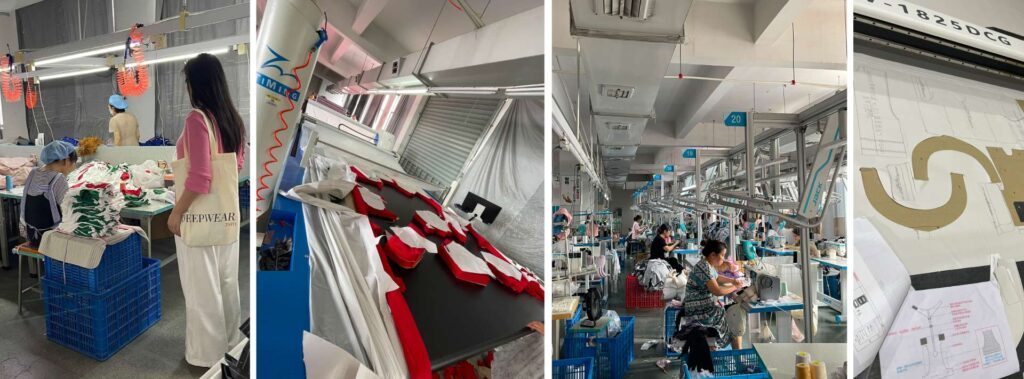
In this blog we cover:
- Apparel supply chain traceability and why it matters in 2026
- Supplier mapping beyond first-tier manufacturers
- Chain of custody verification and proving sourcing claims
- The limitations of certifications and traditional compliance models
- How on-ground oversight improves visibility and reduces supply chain risk
Beyond First-Tier Suppliers: Mapping the Full Production Ecosystem
One of the most effective ways to strengthen apparel supply chain traceability is through comprehensive supplier mapping.
Many sourcing teams focus primarily on first-tier suppliers: the factories directly manufacturing their garments. However, modern apparel production rarely begins and ends at a single facility.
Before a garment reaches a sewing line, materials may have passed through multiple organizations. Cotton may be sourced from one region, spun into yarn elsewhere, woven by a fabric mill in another country, processed through a dye house, and then distributed through several intermediaries before arriving at the final manufacturer.
Production disruptions often originate far upstream. A delayed fabric shipment, a failed chemical compliance test, an undisclosed subcontractor, or a logistics bottleneck can affect delivery schedules long before the garment factory becomes aware of the issue.
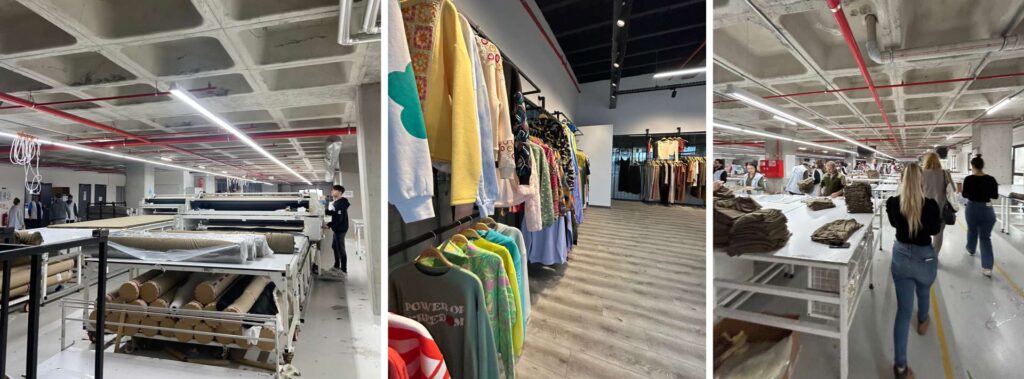
A complete production ecosystem may include:
- Raw material producers
- Yarn suppliers
- Fabric mills
- Dye houses
- Trim manufacturers
- Packaging providers
- Garment factories
- Logistics partners
Every participant introduces both opportunities and risks.
When brands understand how these relationships connect, they gain greater control over sourcing decisions and improve their ability to identify vulnerabilities before they escalate into larger operational challenges.
The benefits of supplier mapping include:
- Improved risk visibility
- Stronger sourcing resilience
- Better compliance oversight
- Faster issue resolution
- More informed supplier selection
- Greater accountability across the supply chain
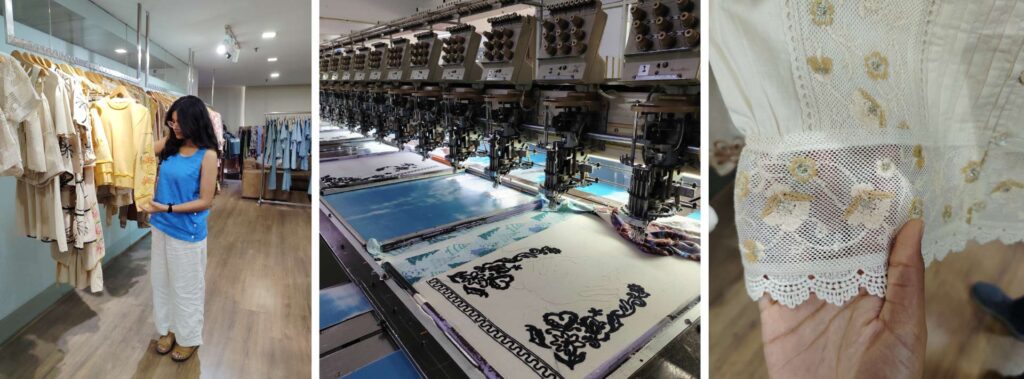
Rather than viewing production as a single transaction between a brand and its factory, supplier mapping creates a comprehensive view of how products move through the manufacturing ecosystem.
For a deeper examination of sourcing visibility challenges, read our blog: Why Brands Switch to Deepwear: Insights from Real Industry Pain Points.
What Chain of Custody Verification Actually Means
Many companies misunderstand traceability. Collecting certificates, supplier declarations, and compliance reports is only one part of the process.
True chain of custody verification goes significantly further.
It involves documenting and validating every stage of a product’s journey from raw material to finished garment. The goal is not simply to know who supplied a product, but to understand how that product moved through the supply chain and whether every claim can be independently verified.
Brands should be able to answer questions such as:
- Where did the material originate?
- Which suppliers handled it?
- When did ownership transfer?
- What processes were performed?
- Can those claims be independently verified?
Consider a garment marketed as organic cotton. Verification should extend far beyond the final factory. Brands should understand:
- Which farm produced the cotton
- Which facility processed it
- Which spinner created the yarn
- Which mill manufactured the fabric
- Which factory assembled the garment
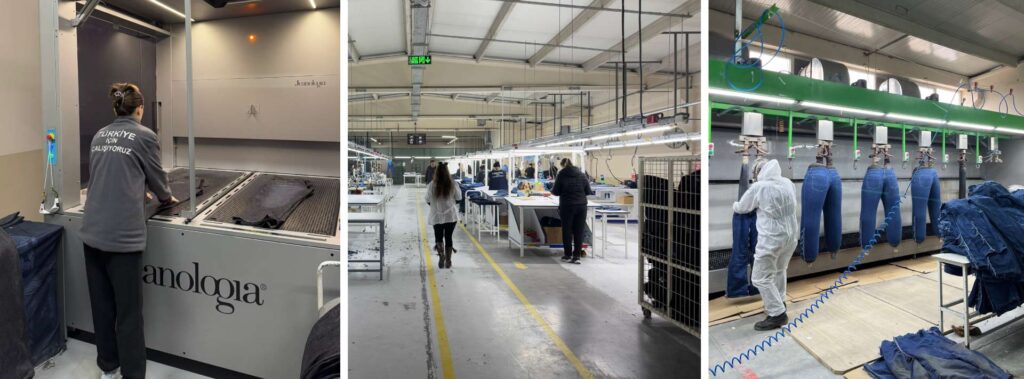
Every transfer matters because every participant becomes part of the product’s documented history.
This level of visibility strengthens ethical sourcing initiatives while reducing compliance, operational, and reputational risks. It also provides greater confidence when communicating sourcing claims to retailers, regulators, investors, and consumers.
As transparency expectations continue to increase, many organizations are discovering that traceability is not simply about collecting information. It is about proving that information is accurate.
For additional insights into product transparency, read our blog:
QR Codes & Product Traceability: When Transparency Builds Trust and When It Doesn’t.
Why Compliance Documents Alone Cannot Eliminate Risk
Certifications remain an important part of supply chain compliance, but they are often misunderstood. Many brands treat certifications as definitive proof that a supplier is operating responsibly and consistently. In reality, certifications are only as reliable as the conditions they were issued to evaluate.
The challenge is that supply chains are constantly changing.
A factory that successfully passed an audit twelve months ago may have undergone significant operational changes since then. Manufacturing environments rarely remain static.
Common changes can include:
- Production capacity expansions
- Changes in ownership or management
- The introduction of new subcontractors
- Workforce restructuring
- New production lines or facilities
- Changes in supplier and sourcing relationships
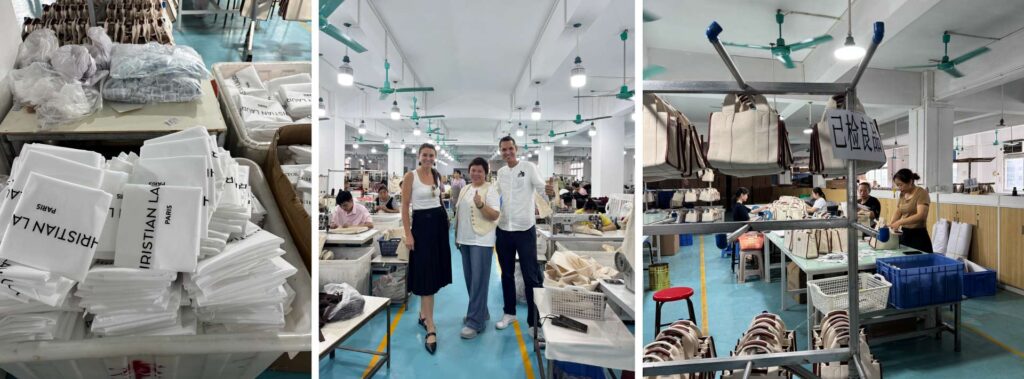
None of these developments are inherently problematic. However, they can significantly alter the operating conditions that were originally assessed during an audit.
This creates one of the most common blind spots in global sourcing. A factory may continue to hold valid certifications while its day-to-day operations look very different from the conditions that were originally reviewed. The paperwork remains current, but the reality on the ground may have evolved considerably.
For this reason, leading brands view certifications as a starting point rather than a complete risk-management solution. Documentation can demonstrate that a facility met specific standards at a particular moment in time, but it cannot provide continuous visibility into ongoing operations.
To gain a more accurate understanding of supplier performance, brands often supplement certifications with:
- On-site factory verification
- Production monitoring
- Active supplier relationship management
- Independent compliance assessments
- Ongoing operational reviews
Together, these measures help ensure that compliance is not simply documented but actively maintained throughout the production lifecycle.
Looking for greater visibility across your production network?
Turning Visibility Into Intelligence
At Deepwear, we believe the strongest apparel supply chain traceability programs are built on direct engagement with the manufacturing environment itself. Rather than relying exclusively on paperwork, reporting chains, or periodic assessments, our teams operate within key sourcing regions, allowing us to gather information directly from suppliers, factories, and production partners.
1. We Know Remote Visibility Has Limits
Traditional sourcing models often depend heavily on communication systems that create distance between brands and manufacturing operations.
These may include:
- Email communication
- Scheduled production reports
- Video meetings
- Periodic factory visits
- Third-party documentation
While valuable, these systems often provide a delayed view of reality. By the time an issue appears in a report, production may already be affected. A supplier may not immediately disclose emerging challenges, and a certification cannot reveal changes that occur after an audit has been completed.
As supply chains become more complex, relying solely on remote oversight can leave brands exposed to unnecessary fashion supply chain risk.
2. Our Teams Identify Risk Earlier
Many sourcing challenges begin long before a shipment is delayed or a compliance issue becomes visible.
Production bottlenecks, labor shortages, equipment constraints, material delays, and supplier performance issues often develop gradually. The earlier these signals are identified, the more options brands have to respond effectively.
Through direct supplier engagement and on-ground oversight, Deepwear helps brands identify emerging issues before they escalate into larger operational problems.
This approach allows for:
- Earlier risk detection
- Faster issue escalation
- Stronger supplier accountability
- Improved production visibility
- More informed sourcing decisions
By maintaining closer proximity to manufacturing operations, brands gain a more accurate understanding of what is happening throughout their production network.
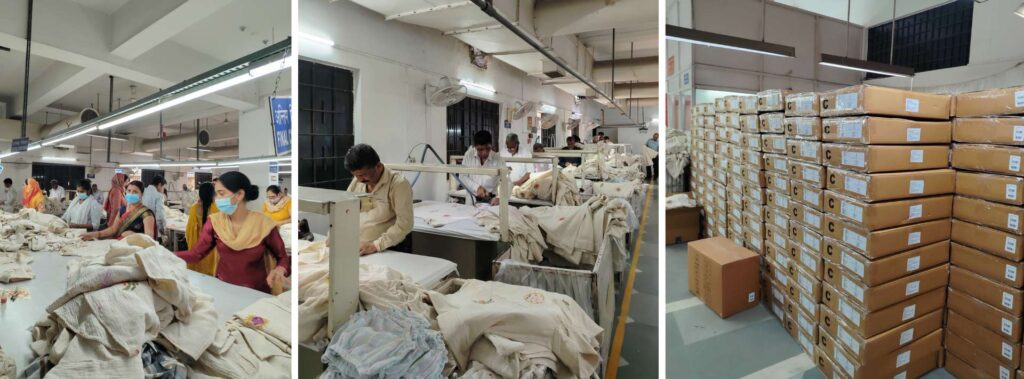
Why Is Supply Chain Traceability Becoming More Important in 2026?
Growing regulatory requirements, increased retailer expectations, investor scrutiny, and consumer demand for transparency are driving greater emphasis on apparel supply chain traceability. Brands are increasingly expected to demonstrate where products come from, how they are made, and whether sourcing claims can be independently verified.
The Future Belongs to Verifiable Supply Chains
The global sourcing environment is becoming more complex, more regulated, and more interconnected. The brands that thrive in the coming years will not necessarily be those with the largest supplier networks or the lowest production costs; they will be the brands that possess the clearest understanding of how their supply chains actually operate.
For Deepwear, this means moving beyond paperwork and periodic audits toward a sourcing model built on verification, visibility, and on-ground intelligence. In an increasingly scrutinized marketplace, knowing your factory is no longer enough. Understanding the entire ecosystem behind it is what creates resilience, credibility, and long-term competitive advantage. Contact us today to discuss your sourcing requirements and discover how Deepwear can help you build a more transparent, resilient, and verifiable supply chain.