
Northern Portugal is reshaping luxury streetwear through EU compliance, fast production, and sustainable sourcing in Porto and Braga.
The global fashion industry still sells the same illusion: that power sits in Paris, Milan, or London. However, that assumption is outdated, and visibility is not control. The real shift is happening in northern Portugal, specifically Porto and Braga, where luxury streetwear is being redefined not through aesthetics, but through compliance, manufacturing precision, and supply chain control.
The shift is the direct result of regulatory pressure from the European Union, which is quietly forcing the fashion industry to rebuild itself from the ground up.
Northern Portugal is one of the few regions already built for that future.
In this blog we cover:
- How EU compliance laws in fashion are reshaping global production
- Why luxury streetwear manufacturing is shifting toward Northern Portugal
- The impact of ESPR, EPR, and REACH regulations on product development
- How traceability and circular economy systems are becoming mandatory
- Why Porto and Braga are emerging as key European fashion production hubs
- What brands need to understand before producing in Portugal
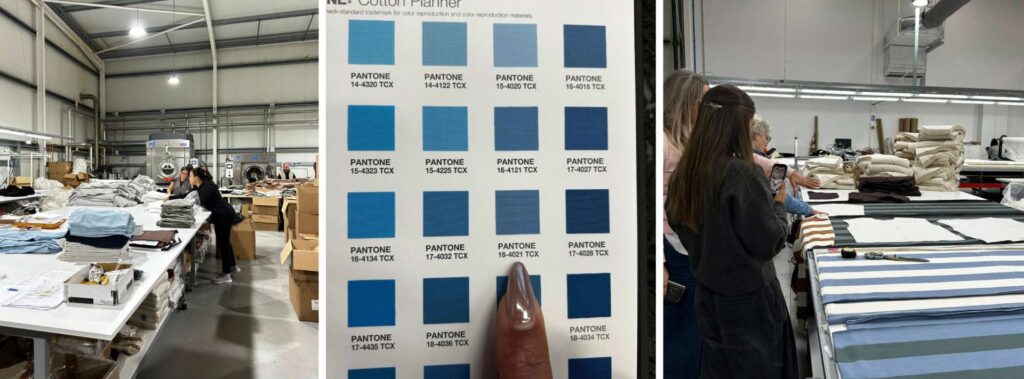
From Design-Led to Compliance-Driven Fashion
Luxury streetwear is no longer driven purely by identity, hype, or logo placement. It is increasingly shaped by regulatory constraints, supply chain transparency, and environmental compliance. The industry is shifting toward compliance-driven fashion, where every decision from fabric selection to distribution, must meet legal and environmental standards.
Brands must now confront fundamental questions before production even begins:
- Can the garment be part of a circular fashion economy?
- Are the materials fully traceable across the fashion supply chain?
- Does the product meet chemical compliance in textiles?
- Who is responsible for its end-of-life disposal and recycling?
This transformation is driven by the European Union, which is mandating that all textiles move toward:
- Durable clothing design
- Repairable garments
- Recyclable textiles
- Transparent supply chains
Our guide, Producing in Portugal: What the Right Brands Can Expect, breaks down what actually happens on the ground, based on real factory conditions and Deepwear’s experience working directly with manufacturers.
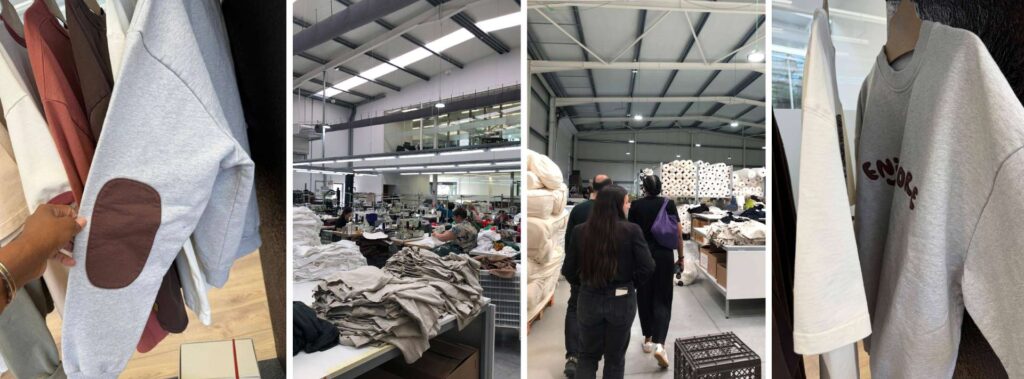
The Regulatory Backbone Reshaping Streetwear
1. Ecodesign Is Rewriting Product Development: At the center of this shift is the Ecodesign for Sustainable Products Regulation (ESPR), which is redefining sustainable product design in fashion.
Under ESPR:
- Products must meet strict durability and recyclability standards
- The destruction of unsold clothing inventory is restricted
- Digital Product Passports (DPPs) will track materials, origin, and environmental impact
This fundamentally disrupts the traditional streetwear production model, which relies on high-volume drops and excess inventory.
The result is a transition toward controlled production, traceable sourcing, and lifecycle accountability: all core elements of sustainable streetwear manufacturing.
2. Waste Is No Longer Externalized: The Extended Producer Responsibility (EPR) framework transforms waste into a direct financial obligation.
Under EPR in fashion, brands are responsible for:
- Textile collection systems
- Sorting and recycling processes
- Garment disposal costs
Every product introduced to the market carries a future cost tied to textile waste management.
This shifts the industry toward:
- Durable luxury streetwear
- longer product lifecycles
- reduced overproduction in fashion
Cheap, disposable fashion becomes economically inefficient, while high-quality, long-lasting garments become the viable model.
3. Chemical Compliance Is a Global Barrier: The REACH Regulation enforces strict chemical compliance in fashion production.
Restricted substances include:
- Hazardous dyes
- PFAS chemicals
- Heavy metals
- Formaldehyde
These rules define safe textile production standards across the EU.
The implication is direct: manufacturers without advanced REACH-compliant textile systems are effectively excluded from the European market. This creates a strong advantage for regions already operating under strict EU textile compliance laws.
4. Transparency Is Legally Enforced: The Corporate Sustainability Reporting Directive (CSRD) mandates fashion supply chain transparency at an unprecedented level.
Brands must disclose:
- Environmental impact reporting
- Supply chain risk assessments
- Verified sustainability metrics
Combined with anti-greenwashing regulations, this eliminates unverified marketing claims.
The outcome is a shift toward:
- data-driven sustainability in fashion
- ESG compliance in apparel brands
- traceable and auditable supply chains
Any sustainability claim must now be supported by measurable, verifiable data.
Most brands understand EU fashion regulations. Few are set up to operate within them. From Digital Product Passports to textile waste obligations, execution requires alignment across design, sourcing, and manufacturing. Learn how to structure production in Portugal to meet these requirements without delays or costly mistakes.
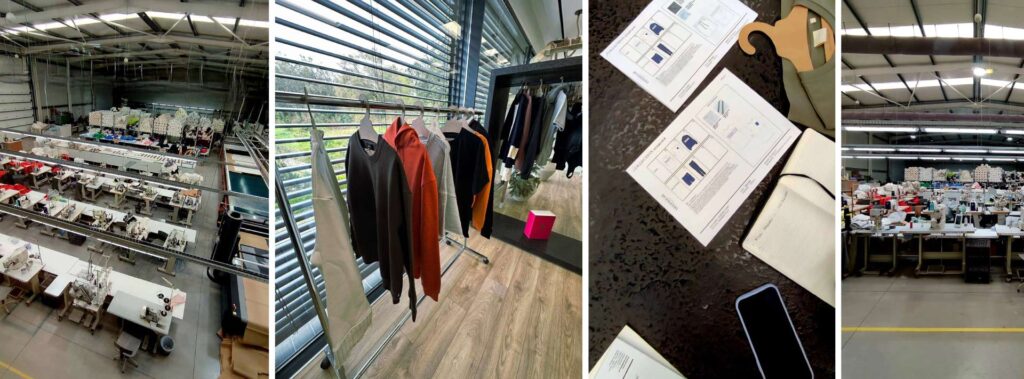
Impact of EU Fashion Regulations
The European regulatory framework is often framed as environmental reform, but in practice it operates as a structural trade mechanism that is reshaping global fashion competition.
1. Compliance as a Market Gatekeeper: All products entering the EU must meet the same EU fashion compliance standards, regardless of where they are produced. This includes:
- durability and recyclability requirements
- chemical compliance under REACH
- traceability through Digital Product Passports
- waste responsibility under Extended Producer Responsibility
This creates a significant increase in compliance costs for overseas manufacturing, particularly for regions built on low-cost, high-volume production.
2. The Decline of Cost-Driven Production Models: For decades, fashion relied on outsourcing to reduce costs. EU regulation disrupts this by introducing fixed requirements around:
- traceability in fashion supply chains
- environmental compliance in apparel production
- waste and lifecycle accountability
As a result, price alone is no longer a competitive advantage. Regulatory alignment and operational transparency now determine market access.
3. Pressure on Fast Fashion Systems: The framework directly challenges fast fashion production models, which depend on:
- overproduction
- short product lifecycles
- low-cost inputs
With stricter enforcement, potential import reforms, and lifecycle accountability, these models face increasing regulatory and financial pressure.
4. Circular Economy as Competitive Filter: The shift toward a circular economy in fashion acts as a filter:
- compliant, traceable supply chains remain viable
- opaque, low-cost systems lose access to the market
This accelerates the move toward regional production hubs, where compliance, speed, and transparency can be maintained.

What This Means in Practice
This is not just sustainability policy; it is a restructuring of the industry.
Competitiveness is no longer defined by how cheaply garments are made, but by how well production systems align with regulation, traceability, and circularity.
Why is Northern Portugal benefiting from EU sustainability regulations in fashion?
Northern Portugal benefits because its manufacturing ecosystem is already aligned with EU compliance standards, traceable supply chains, and sustainable production practices, allowing brands to meet regulatory requirements without restructuring their operations, unlike many low-cost offshore production regions.
Why Deepwear’s Presence in Porto Matters
Deepwear’s office in Porto provides direct access to one of the most important nodes in Portugal’s fashion ecosystem.
From Porto, brands can effectively connect into:
- local manufacturing networks across Northern Portugal
- specialized production capabilities, including those in nearby regions such as Braga
- a broader system of EU-compliant textile production and sourcing
This presence enables:
- Faster sampling and development cycles
- Direct communication with Portuguese manufacturers
- Stronger alignment between design, sourcing, and production execution
In a system built on precision and specialization, proximity to the network, not just the factory, is what matters.
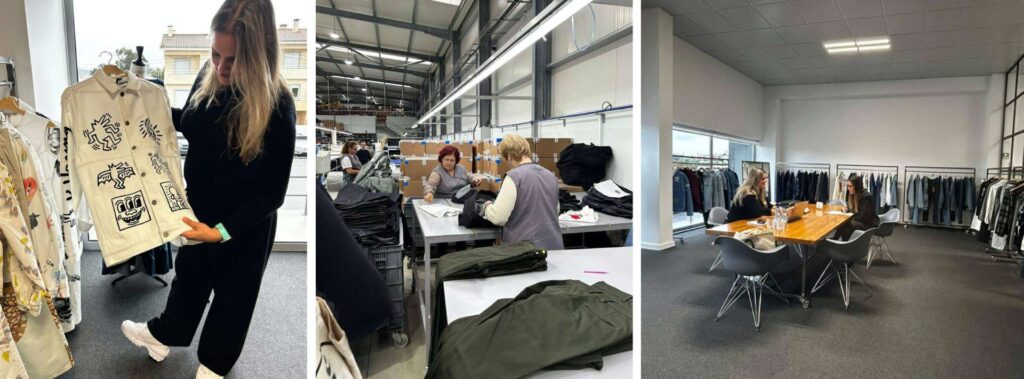
The New Power Center of Luxury Streetwear
Porto and Braga offer what the future of fashion demands: high-quality textile manufacturing, small-batch production, and regulation-ready supply chains. This is not a trend. It is a structural advantage.
Deepwear’s presence in Porto gives brands direct access to Portugal clothing manufacturers, EU-compliant production, and efficient supply chain execution.
If you are looking to scale with sustainable fashion production in Europe, now is the time to act. Start sourcing and manufacturing in Portugal with Deepwear.