
Nearshoring in apparel manufacturing is becoming the new norm. Deepwear guides brands through freight volatility, landed cost analysis, and resilient supply chain design.
For years, apparel brands optimized sourcing around predictable long-distance freight from Asia to Western markets. Production calendars were built on stable 30–45 day ocean transit windows. Insurance costs were manageable. Seasonal drops followed fixed timelines.
That stability has eroded. Maritime disruptions, rerouted vessels, insurance surcharges, and geopolitical tension have introduced sustained uncertainty into global shipping corridors. The result is not simply higher freight rates. It is reduced predictability — and predictability is the foundation of fashion merchandising, inventory planning, and margin control.
In this context, nearshoring in apparel manufacturing is not a trend. It is a strategic recalibration.
In this blog we cover:
- How geopolitical instability is reshaping strategic sourcing in apparel manufacturing
- A direct comparison of offshore vs. nearshore production models
- The true total cost of ownership beyond FOB pricing
- Why freight volatility is accelerating nearshoring adoption
- How Deepwear structures diversified, multi-region sourcing portfolios
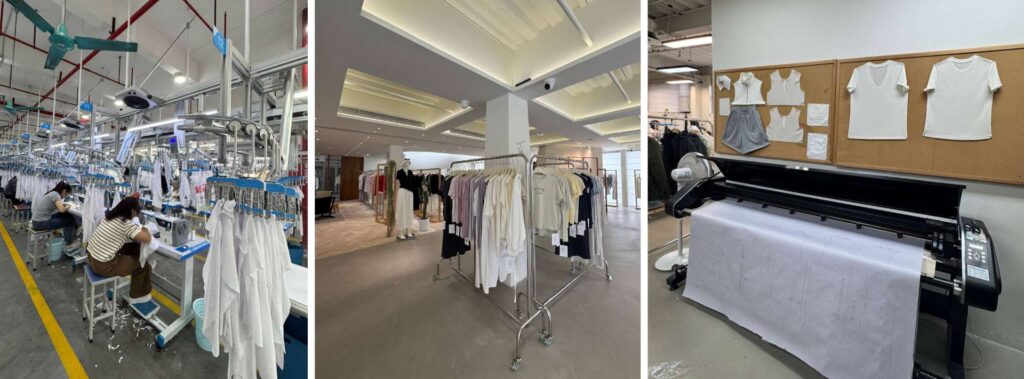
From Cost Optimization to Risk Management
In our earlier analysis, Navigating the Challenges of Nearshoring: Garment Manufacturers, we examined why brands were already shifting production closer to home markets to reduce lead times and improve oversight. At the time, the primary drivers were speed, communication, and sustainability.
Today, the argument has expanded. Nearshoring is increasingly about risk distribution.
When vessels avoid unstable maritime corridors, transit times lengthen. A reroute around Africa instead of the Suez Canal can add weeks to delivery schedules. Those additional days compress selling windows, delay replenishment, and increase markdown exposure. War risk insurance premiums fluctuate. Port congestion compounds uncertainty.
Distance now carries a volatility premium.
If you are evaluating how freight instability affects your production cycles, our detailed nearshoring insights explore how lead-time compression directly improves inventory efficiency and margin protection.
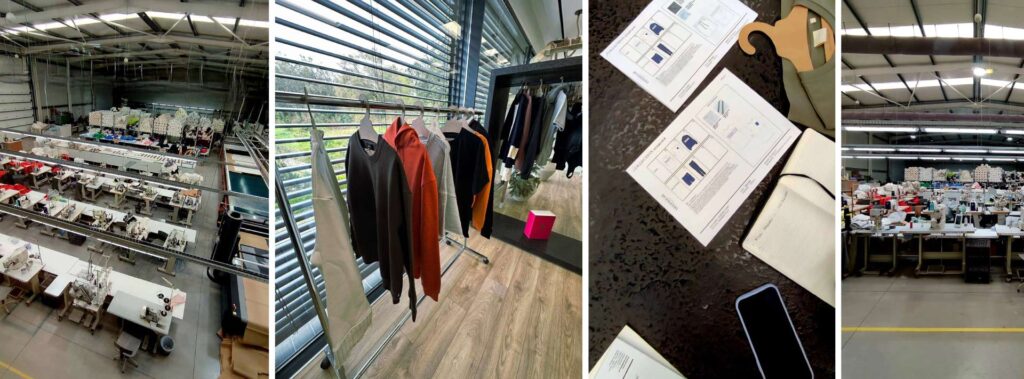
Offshore vs. Nearshore: A Structural Comparison
The strategic implications become clearer when operational exposure is compared directly.
Asia → US vs Nearshore Americas
| Factor | Asia → US (Ocean Model) | Mexico/Caribbean → US (Nearshore Model) |
| Average Transit Time | 30–45+ days | 3–10 days |
| Exposure to Maritime Chokepoints | High | Low |
| War Risk Insurance | Variable, elevated in stress zones | Minimal |
| Port Congestion Sensitivity | Moderate to High | Low |
| Inventory in Transit | High | Reduced |
| Mid-Season Replenishment | Limited flexibility | High flexibility |
| Forecasting Sensitivity | High | Lower |
For Europe-focused brands, similar advantages apply to Turkey and Morocco, where delivery into major EU markets can occur within days rather than weeks.
The difference is not marginal. Reduced transit time lowers inventory carrying costs, improves cash flow cycles, and allows brands to respond to demand shifts mid-season rather than after the fact.
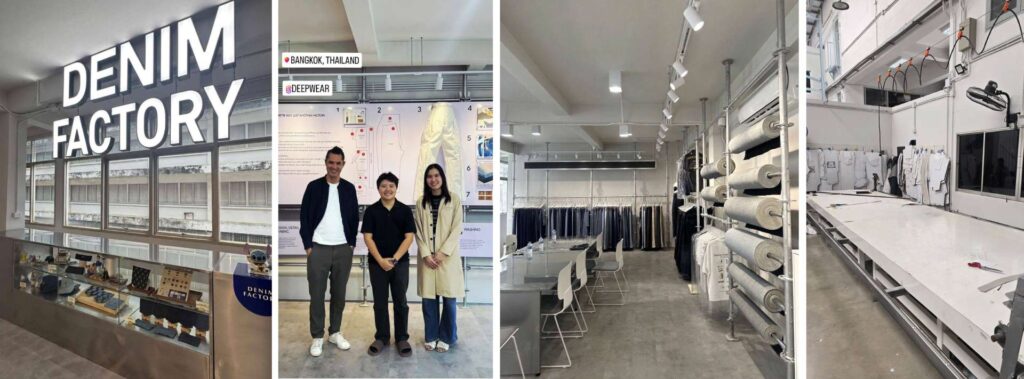
The Financial Reality: Total Cost of Ownership
One of the most persistent misconceptions about nearshoring is that it is inherently more expensive. That conclusion typically rests on labor cost comparisons alone. However, sourcing decisions made solely on FOB price ignore the broader cost structure.
Offshore vs Nearshore: Cost Structure Comparison
| Cost Component | Offshore Production | Nearshore Production |
| Labor Cost | Lower | Higher |
| Freight Cost | Higher, volatile | Lower, more stable |
| Insurance Surcharges | Elevated under stress | Minimal |
| Inventory Holding Cost | High (long transit) | Reduced |
| Working Capital Requirement | Higher | Lower |
| Markdown Risk | Higher if delayed | Lower |
| Speed to Replenish | Slow | Fast |
| Total Cost Stability | Volatile | More predictable |
In volatile conditions, a slightly higher production cost can produce stronger realized margins by reducing markdown exposure and freeing working capital. The relevant metric is not lowest unit cost, but lowest total economic risk.
Before shifting production, brands should conduct a comprehensive landed cost analysis that incorporates freight volatility, insurance exposure, and inventory dynamics. Deepwear supports this modeling process to ensure decisions are data-driven rather than reactive.

Why Nearshoring Is Gaining Structural Momentum
In our earlier Deepwear analysis, Navigating the Challenges of Nearshoring, we outlined the core advantages that initially drove interest in regional production:
- Faster turnaround times
- Improved communication and oversight
- Enhanced quality control
- Alignment with sustainability goals
Those advantages remain valid. What has changed is the macroeconomic environment.
Lead-time reduction is no longer just about trend responsiveness; it is about margin protection. Improved communication is not merely operational convenience; it strengthens risk monitoring. Sustainability benefits are amplified as brands reduce long-haul shipping emissions and align production closer to regulated markets.
Nearshoring is moving from optional efficiency lever to strategic risk mitigation tool.
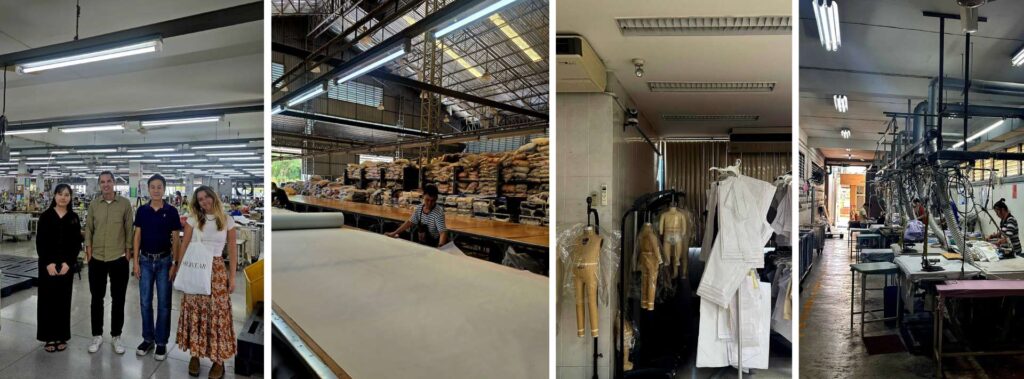
Deepwear’s Multi-Region Sourcing Model
Effective nearshoring depends on execution. Proximity alone does not guarantee reliability. Capacity constraints, regulatory differences, and material sourcing complexities must be managed deliberately.
Deepwear operates across Asia, Europe, and the Americas to structure diversified sourcing portfolios rather than single-region dependency.
| Region | Strategic Advantage | Best Suited For | Market Access |
| Turkey | EU proximity, customs alignment, strong textile base | Structured garments, tailoring, knitwear | European Union |
| Morocco | Ultra-fast EU transit, competitive labor vs. EU | Fast replenishment programs, fashion basics | EU & US |
| Portugal | Premium manufacturing, EU compliance, smaller MOQs | High-quality fashion, sustainable collections, short runs | European Union & UK |
| Thailand | Established apparel ecosystem, diversified capabilities | Balanced category production, woven & knit blends | Regional & Global |
| China | Advanced technical capacity, material access, scale efficiency | Complex garments, high-volume production, technical apparel | Global |
| Mexico | Short US transit times, USMCA trade benefits | Speed-sensitive SKUs, replenishment programs | United States |
Our multi-region structure allows brands to segment production intelligently. Core basics may remain offshore for scale efficiency, while trend-driven or time-sensitive programs move closer to market. If you are exploring Turkey, Morocco, or Americas-based manufacturing, our regional guides provide detailed breakdowns of compliance alignment, capacity considerations, and trade positioning.
Do you have production concentrated in one geography? Deepwear structures diversified sourcing portfolios across Asia, Europe, and the Americas to reduce single-region dependency. Contact our team for more information.
How Deepwear Helps Brands Navigate Sourcing Transitions Under Geopolitical Pressure
When brands begin exploring nearshoring or broader supply chain diversification, the real challenge is implementation. Moving production closer to market requires operational alignment across factories, materials, compliance, and logistics.
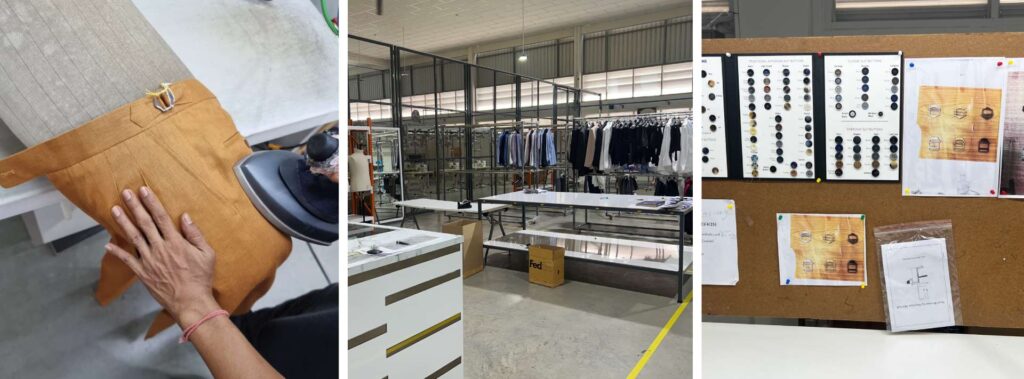
Deepwear supports brands through transition-focused advisory and execution across its production network in China, Portugal, Turkey, Morocco, Thailand, and Mexico.
1. Structured Risk Diagnostics for Apparel Supply Chains
Before shifting volumes, Deepwear conducts a focused supply chain risk assessment to identify geographic concentration, logistics exposure, and delivery bottlenecks. This creates a data-backed foundation for any strategic sourcing adjustment.
The goal is clarity: which categories are vulnerable, which trade lanes carry cost volatility, and where regional manufacturing can stabilize timelines.
2. Targeted Production Reallocation
A successful nearshoring strategy depends on selecting the right categories to relocate. Deepwear supports brands in reallocating speed-sensitive or high-variability SKUs to nearshore facilities while maintaining scale-driven production in Asia where appropriate.
This controlled redistribution strengthens resilient supply chains without inflating costs or disrupting vendor relationships.
3. Factory Matching and Production Oversight
Transition periods often strain internal teams. Deepwear reduces execution risk by coordinating factory onboarding, compliance alignment, and quality monitoring across regions.
Whether expanding into Portugal for EU-facing programs or leveraging Mexico for US-market replenishment, brands gain operational continuity during change.
4. Continuous Geographic Optimization
Trade dynamics shift quickly. Freight rates, insurance costs, and regulatory adjustments require ongoing calibration. Deepwear provides continued oversight to ensure production geography remains commercially aligned and operationally stable.
Brands that approach nearshoring in apparel manufacturing methodically—not emotionally—are better positioned to manage uncertainty. Deepwear supports that transition with structured planning, multi-region execution, and long-term sourcing stability.
Reassess Before the Next Disruption
If your sourcing model still assumes stable 40-day transit windows and predictable freight economics, it warrants reassessment.
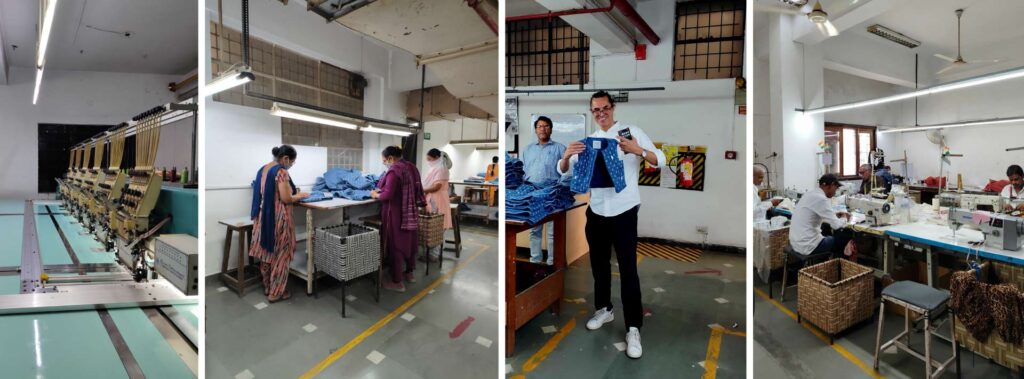
Deepwear works with apparel brands to design multi-region sourcing portfolios aligned with speed, compliance, cost stability, and geopolitical realities. From factory matching and quality oversight to hybrid supply chain structuring and sustainability alignment, we provide end-to-end support for nearshore initiatives.
In a volatile global environment, supply chain geography is not a background decision. It is a competitive strategy.