
Textile vs apparel explained for emerging fashion brands. Learn key differences, sourcing strategies, and how to build a scalable production system.
Most emerging fashion brands do not fail because of weak concepts. They fail because the production system behind the product is poorly understood.
One of the most common and costly misunderstandings is the confusion between textile and apparel. These terms are often used interchangeably, yet they represent different stages of the value chain, different suppliers, and different risk points.
For an emerging brand, this is not a minor detail. It affects sourcing decisions, pricing, product quality, and scalability.
Our team at Deepwear has spent decades working across both textile sourcing and garment production. We have seen this issue repeatedly across early stage brands and established companies. The pattern is consistent. When textile and apparel are treated as the same process, problems appear early and compound quickly.
In this blog we cover:
- The difference between textile and apparel in the fashion supply chain
- How textile sourcing impacts garment quality, cost, and scalability
- Common sourcing mistakes emerging fashion brands make
- The full production process from fiber to finished garment
- How to build a structured, scalable apparel manufacturing system
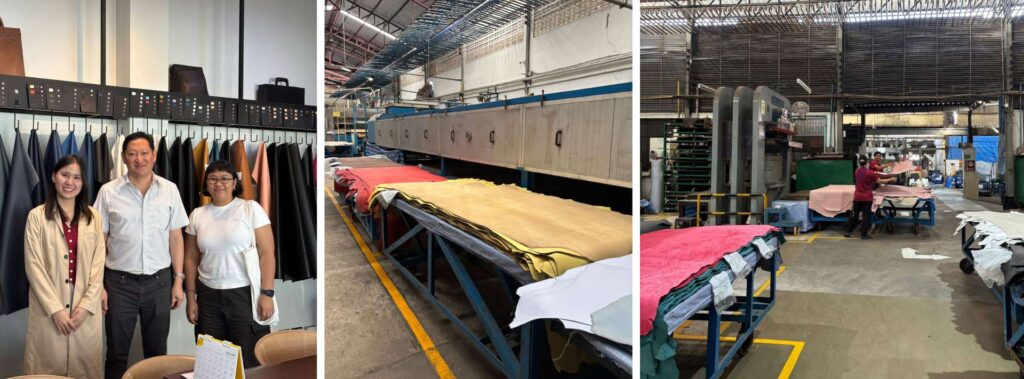
What Is Textile in the Fashion Supply Chain
Textiles refer to the materials used to create garments. This includes the full process from raw fiber to finished fabric.
Core components of textiles
- Natural and synthetic fibers such as cotton, polyester, wool, and viscose
- Yarn production through spinning or filament processes
- Fabric construction including woven, knitted, and nonwoven methods
- Finishing processes such as dyeing, printing, coating, and treatment
Textile production is driven by machinery, chemical processing, and technical expertise. It is capital intensive and operates at scale.
A key point that many emerging brands overlook is that textile suppliers do not serve fashion alone. They supply multiple industries including automotive, medical, and industrial sectors. This affects how they operate, how they price, and how they prioritize clients.
From our experience, misunderstanding this leads to unrealistic expectations during development and sourcing.

What Is Apparel in the Fashion Industry
Apparel refers to finished garments that are ready for consumers. This is the stage where a concept becomes a physical product.
Core components of apparel production
- Design and pattern development
- Fabric cutting and preparation
- Sewing and assembly
- Finishing, labeling, and packaging
Apparel manufacturing is labor intensive and highly dependent on execution. Efficiency, workflow management, and workforce skill determine output quality and timelines.
Unlike textile production, apparel factories do not create materials. They work with the fabric provided to them. This dependency is critical because if the textile is flawed, the final garment will reflect those flaws regardless of how well it is constructed.
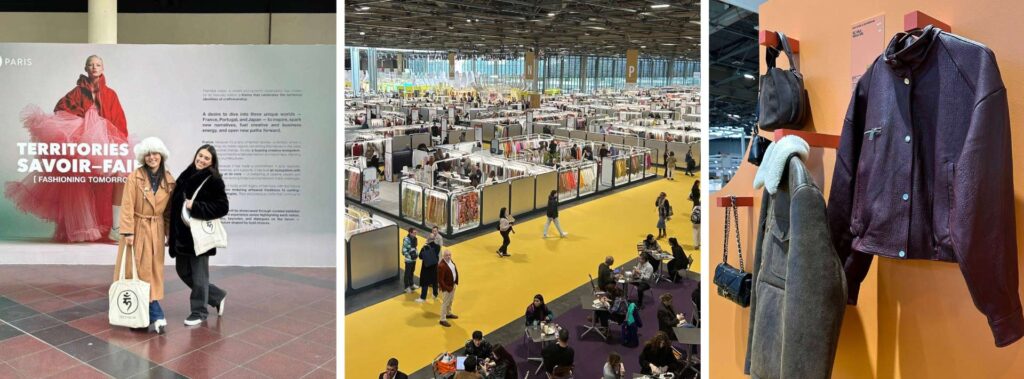
Textile vs Apparel: The Key Difference
At a surface level, the difference is simple. Textiles are materials. Apparel is the finished product.
However, at an operational level, the difference defines the entire supply chain.
| Category | Textile | Apparel |
| Function | Material production | Garment production |
| Output | Fabric, yarn | Finished clothing |
| Industry role | Upstream and midstream | Downstream |
| Process type | Machinery and chemical processes | Labor and assembly processes |
| Market orientation | Multi industry | Consumer facing |
The most important takeaway is this: textiles create the foundation of the product, while apparel delivers the final product to market. Without a clear separation between the two, sourcing decisions become inconsistent and difficult to control.
Why Emerging Brands Sometimes Get This Wrong
1. Focusing on the product before the material
Emerging brands usually begin with a design concept. The focus is on how the garment looks and fits. Fabric is often treated as a secondary decision.
Our team has seen multiple cases where this approach leads to production issues. Fabric determines durability, comfort, and performance. When it is selected late or without proper validation, it introduces risk that cannot be corrected later.
By the time garments enter production, the opportunity to fix textile issues is already gone.
2. Misunderstanding how production responsibilities are structured
Another common mistake is assuming that every factory operates the same way when it comes to sourcing and production.
In reality, garment manufacturing can follow different models such as CMT or Full Production Package (FPP), each with different levels of responsibility. In an FPP system, the factory is involved from start to finish, including fabric sourcing, development, and production. In CMT, the responsibility is fragmented, and brands must manage multiple suppliers themselves.
From our team’s experience, the issue is not whether one supplier handles everything. The issue is whether the process is structured and properly managed.
When brands enter production without understanding these models, it often leads to confusion, miscommunication, and gaps in accountability.
3. Misunderstanding cost structures
Textile and apparel costs are driven by different factors.
- Textile costs depend on fiber selection, processing, and finishing
- Apparel costs depend on labor, efficiency, and production volume
When these are treated as a single cost structure, pricing decisions become inaccurate. This often leads to reduced margins or compromised quality.
Our team approaches costing by separating these elements clearly. This provides transparency and allows better control over budget and product positioning.

The Production Flow Every Brand Should Understand
A garment is not created in a single step. It moves through a structured process:
Fiber → Yarn → Fabric → Finishing → Cutting → Sewing → Final Product
Each stage introduces its own variables and risks.
From our experience, brands that understand this flow are able to make better sourcing decisions. They ask the right questions, select the right partners, and identify issues earlier.
Brands that ignore this structure tend to react to problems instead of preventing them.
How We Approach Textile and Apparel at Deepwear
Our approach is based on one principle. Textile and apparel are different stages of the same system, and both must be clearly understood and properly managed.
Rather than separating them unnecessarily, our team ensures that each stage is aligned, controlled, and supported depending on the production model being used.
1. We prioritize textile understanding from the start
We begin with the material, not just the garment.
Our team ensures that fabric decisions are made with full clarity on:
- Composition and performance
- Consistency across production batches
- Suitability for the intended product
This does not mean separating textile sourcing from production unnecessarily. Instead, it means making sure that within any system, especially FPP, the textile stage is given the attention it requires.
Because if the material is not right, no production method can correct it later.
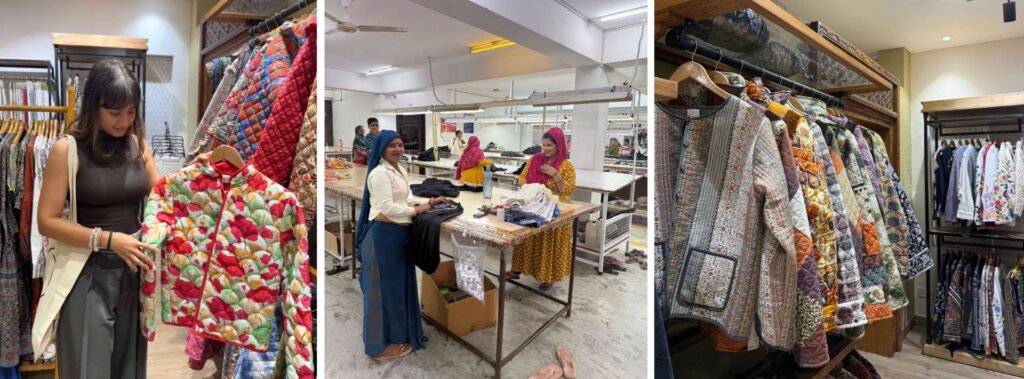
2. We work within structured production models
We do not approach production with a one-size-fits-all mindset.
Depending on the brand’s stage, goals, and capabilities, we work with both CMT and Full Production Package (FPP) factories. For emerging brands, FPP is often the more effective approach because it centralizes responsibility and reduces operational complexity.
Our role is to strengthen that system.
We work closely with factories to:
- Support fabric sourcing when needed
- Ensure textile requirements are properly understood
- Align production with the intended product outcome
This allows brands to benefit from the efficiency of FPP while maintaining control over critical decisions.
3. We control risk early in the process
Most brands focus on final inspection. By that stage, issues are difficult and expensive to fix.
The Deepwear team focuses on earlier stages:
- Fabric validation
- Sampling and prototyping
- Pre production alignment
This approach reduces production errors and ensures consistency at scale.
4. We build systems, not one time solutions
Emerging brands often approach production as a one time project. This limits scalability.
We focus on building repeatable systems that allow brands to:
- Scale production efficiently
- Maintain consistent quality
- Adapt to market changes
This is particularly important for brands planning long term growth.
Is your current sourcing strategy clearly separating textile sourcing and apparel production, or are you relying on one supplier to manage everything? Contact our team to assess your production structure.
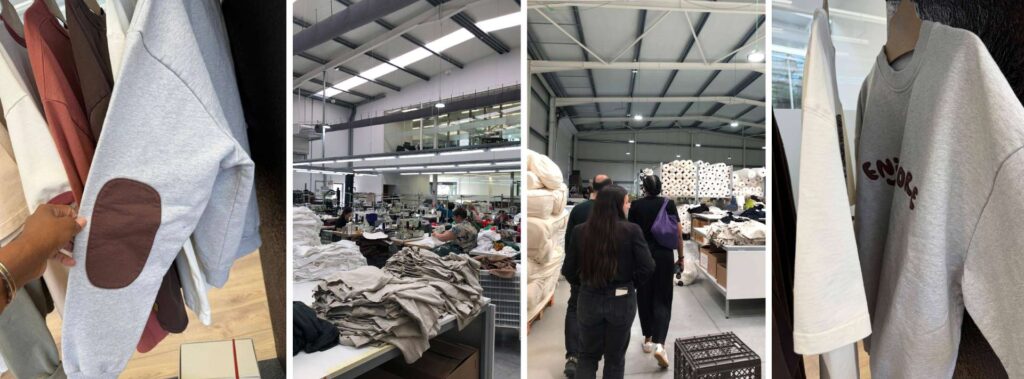
Why Does the Difference Between Textile and Apparel Matter More in 2026?
In 2026, the difference between textile and apparel matters more than ever because global fashion supply chains are becoming increasingly complex, with rising cost volatility, material shortages, and growing demands for transparency and traceability. Brands that clearly distinguish between textile sourcing and apparel production can reduce reliance on single suppliers, gain tighter cost control, improve product consistency, and respond faster to shifting market conditions. From our team’s experience at Deepwear, emerging brands that understand this distinction early are better positioned to scale efficiently, avoid production risks, and build resilient sourcing strategies in a highly competitive industry.
Build Your Production System with Deepwear
Textile and apparel are not interchangeable terms. They represent different stages, different processes, and different decisions within the same production system.
- Textiles determine the performance and quality of the product
- Apparel determines the final execution and market readiness
For emerging brands, understanding this distinction is essential, especially when choosing between production models like CMT and Full Production Package.
From our team’s experience, the most effective approach is not to separate these stages completely, but to ensure they are properly managed within a structured system that fits the brand’s needs.
Are you ready to build a production system that supports long term growth instead of short term output? Speak with our team at Deepwear and start structuring your textile and apparel sourcing the right way.