
Learn how to take your fashion brand from local to global with Deepwear’s expert consulting and a clear strategy.
Global reach for fashion brands is no longer reserved for mega players. With global fashion consulting and the right digital infrastructure and a bold, adaptable mindset, small-to-mid-sized labels can carve out space on the world stage even in a turbulent economy.
Economic volatility is real: 72% of fashion executives cite macro uncertainty as their biggest challenge in 2025 according to a report by Business of Fashion and McKinsey & Company. Yet the cross-border e-commerce opportunity is accelerating, with the market set to reach $1.47 trillion this year and projected to hit $4.81 trillion by 2032 (Coherent Market Insights). By 2025, these sales will account for over 31% of all global online purchases, with apparel and accessories leading at 35.3%. The challenge isn’t whether to expand—but how to do it wisely, with a clear fashion expansion strategy that balances opportunity and operational risk.
This guide outlines the six areas where smart, deliberate execution pays off most. You’ll learn how to:
• Build a global-ready digital foundation
• Leverage low-cost growth tactics that scale
• Adapt brand identity to local cultures without dilution
• Reduce costly returns while building trust
• Navigate compliance and fulfillment with confidence
• Scale in phases, not hype—and grow with intention
At Deepwear, we’ve partnered with brands riding viral moments and those building quietly toward international launches. What separates the sustainable global brands from the one-season wonders? Not just vision—but execution.
1. Build a Global-Ready Digital Foundation
A site optimized for international commerce does more than translate text—it blends global functionality with localized execution. This means a mobile-first interface, dynamic multi-currency pricing, integrated regional payment systems, and live tax/duties calculation.
According to data from Interline and MMGNET’s “Fashion & Technology in 2025” report, 85.71% of brands say technology is critical to achieving profitability, customer acquisition, and international expansion. That’s not just a stat—it’s a benchmark.
While Deepwear does not build e-commerce platforms directly, we connect clients with top-tier developers and system integrators from our trusted global network. We ensure these partnerships deliver functionality that supports international expansion—not just aesthetics.

2. Explore Low-Budget Growth Tactics That Actually Work
Viral growth isn’t luck—it’s often strategic experimentation. The reality? You don’t need a massive marketing budget to expand globally. Guerrilla tactics, micro-influencer partnerships, and content that “games” platform algorithms can help you break through noise without breaking the bank.
A 2024 study published in Harvard Business Review found that nano influencers (fewer than 10,000 followers) deliver a return of over $1,000 on a $50 product seeding investment. In contrast, macro influencers with 100,000+ followers often cost well over $1,000 per post and yield only about $6,000 in attributed sales. The lesson? Reach doesn’t equal revenue. Engagement and genuine connection do.
Deepwear offers both consulting and direct marketing services, and also works with creative agencies and experienced specialists in key regions. Whether you’re looking for brand building, influencer campaigns, or localization strategy, we can provide the support or connect you with trusted professionals who can deliver.
This includes creative campaigns rooted in cultural context, from silk to raffia—not just trend-based visuals, but materials with embedded narratives. These approaches often outperform generic global advertising, especially in emerging markets.
Discover how Deepwear builds smart, low-cost global momentum through cultural insight and creative strategy by exploring our services.
3. Think Local: Balance Brand Identity with Local Flavor
To grow globally, you must embrace cultural localization intelligently. This doesn’t mean diluting your brand; it means adapting with cultural respect. Whether it’s sizing systems, fabric preferences, or storytelling that aligns with local holidays, glocalization turns friction into loyalty.
This type of localization, backed by global fashion consulting, helps brands avoid cultural missteps and create lasting emotional connections.
Fashion brands that do this well operate with precision. Instead of one-size-fits-all launches, they adapt colorways, model selection, or even packaging to align with regional tastes. This builds emotional resonance, and retention.
As we wrote in our journal on cultural diversity and sourcing, understanding local nuance also extends to manufacturing: The Impact of Cultural Diversity on Fashion Trends and Manufacturing.
4. Reducing Returns Saves Money—and Boosts Credibility
Return optimization is critical because returns are a silent drain on growth. In 2024, nearly 17 out of every 100 fashion purchases were returned, with some categories seeing rates as high as 30%. Returned products cost retailers more than just lost sales. In 2024 alone, returns totaled $890 billion globally, and each one can cost between 20% to 65% of the item’s original value to process.
For brands scaling internationally, high return rates aren’t just a financial problem—they erode consumer trust. According to the National Retail Federation, Half of Gen Z consumers admit to buying multiple sizes “just in case,” while only 25% of baby boomers do the same . Meanwhile, 67% of customers say one poor returns experience would prevent future purchases. Facing this, two-thirds of retailers introduced return fees in 2024—reducing return volume, but also potentially driving away hesitant buyers .
How do you stay competitive without buffering the cost?
- Reduce size-related returns with better fit tech and localized size charts. (Hint: we helped a brand reduce returns by 12% after implementing local size mapping.)
- Improve product descriptions and imagery for transparency.
- Offer targeted return options, like exchanges rather than full refunds, to retain revenue.
- Simplify the return journey, making it easy for customers but smart for your bottom line.
We explored related challenges in our analysis of customized clothing trends where accurate fit reduces waste and increases loyalty: The Growing Demand for Customized Clothing: Trends and Insights
Through our logistics and operations consulting, we can help brands combine fit optimization with smart returns policies—limiting costs while preserving trust in new markets.
5. De-risk Expansion with Smart Compliance and Fulfillment
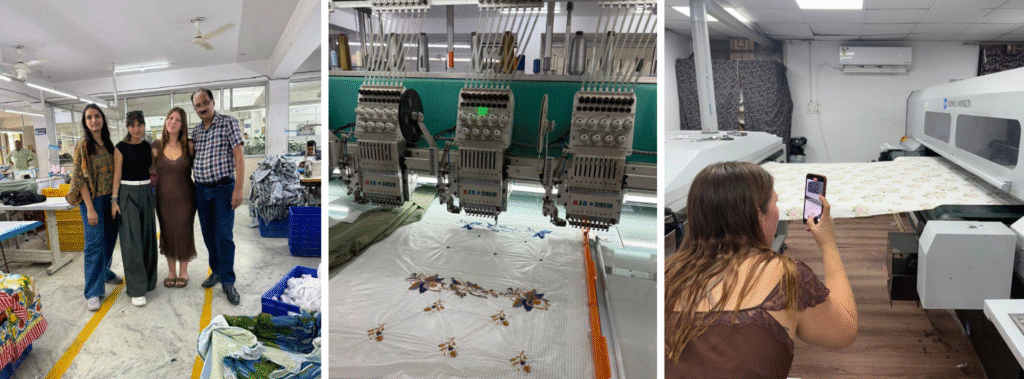
Expanding globally without cross-border logistics readiness is risky. Interline identifies supply chain disruption—from Red Sea shipping delays to Panama Canal water shortages—as a major threat heading into 2025. Staying operational means aligning compliance for fashion brands, sourcing, and packaging from day one.
Deepwear guides brands through the entire supply chain compliance ecosystem.
- We can audit HS codes and regional labeling requirements to prevent customs hold-ups.
- We can enforce size-chart adjustments for each market—especially critical in regions with standardized norms.
- We can configure VAT and import duties in checkout systems, supporting both B2C and wholesale sales.
Logistical breakdowns cost money and trust. When a brand fails to deliver as promised, expansion stalls before it gets started. That’s why we don’t just recommend compliance measures—we implement them end-to-end, so you enter new markets with confidence and deliver reliably every time.
6. Scale With Strategy — Not Hype
Expanding into multiple countries at once may sound impressive, but it often leads to burnout, supply chain misfires, and disappointing margins. According to Interline and MMGNET’s 2025 Fashion & Technology report, brand priorities have shifted: profitability and forecasting now rank above rapid expansion, and 87.39% of companies believe technology—not sheer speed—is what empowers success in global markets.
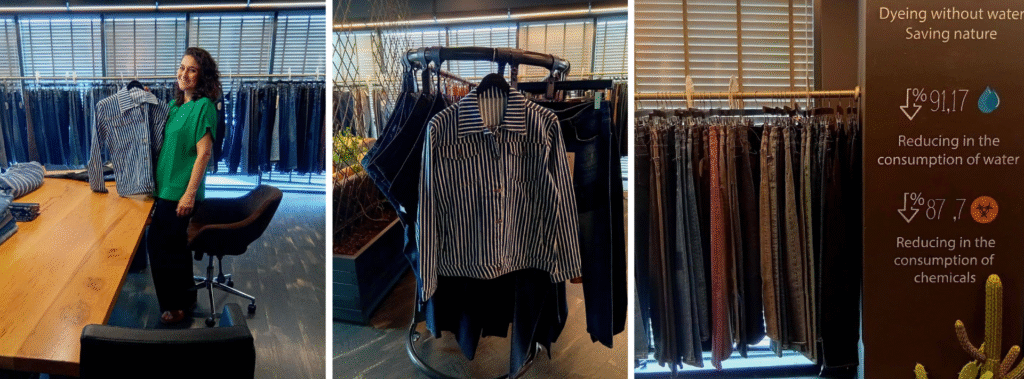
Deepwear works closely with fashion brands to identify high-potential test markets, guided by existing traction, search visibility, and cultural alignment.We don’t just offer a launch strategy—we help build a roadmap for sustainable, phased scaling that ensures global product–market fit. That includes selecting the right fulfillment partners, tailoring product assortments by region, and syncing go-to-market timelines with local buying seasons.
For one brand, we delayed their entry into a high-demand European market until product sizing, returns infrastructure, and digital storytelling were ready—saving them a costly misfire. A different brand succeeded by leading with one culturally resonant capsule collection in Southeast Asia, which later informed a broader expansion model.
Going global isn’t a sprint. Done right, it’s a series of precise, locally-informed moves. For more on how we approach market entry through the lens of consumer behavior and product relevance, see: How Gender-Neutral Fashion Is Reshaping the Apparel Industry.
Final Thoughts: Be Bold, But Build with Intention
Breakout growth doesn’t always come from the loudest campaign or the biggest launch. Often, it comes from knowing when to move, how to localize, and where your customers are really waiting.
You don’t need to conquer five regions overnight. But you do need:
• Digital infrastructure that flexes globally
• Messaging that resonates locally
• Systems that scale, without breaking when orders spike
At Deepwear, we combine global fashion consulting with operational precision. Whether you’re testing a new market or reshaping your e-commerce experience, we help fashion brands move deliberately, boldly, and sustainably.
Cross-border growth isn’t about going viral. It’s about getting prepared.
Ready to go global? Let’s talk.