
A clear framework for sourcing capsule collections in 2026—from fabric selection and MOQ strategy to supplier coordination and repeatable production. Deepwear helps emerging brands build profitable, seasonless capsules with on-ground sourcing support.
Launching a capsule collection is one of the smartest ways for emerging brands to enter the market. Capsules help you test demand, control costs, avoid overproduction, and build a clear identity. But because capsules rely on precision — fewer pieces, tighter edits, and higher expectations for quality — the sourcing process must be equally strategic.
At Deepwear, we support brands globally with everything from design development to factory management, and we’ve learned how to streamline small, curated collections so they stay profitable and efficient.
This guide breaks down how to manage sourcing for a capsule collection: from planning and supplier coordination to MOQ negotiation, cost control, and sustainable decision-making.
In this blog we cover:
- How to define a capsule collection that is culturally relevant but not trend-dependent
- How to choose fabrics and trims that balance quality, repeatability, and cost
- How to organise small-batch fashion production without inflating expenses
- Deepwear’s recommended sourcing workflow for emerging and established fashion brands.
1. Begin With Design–Sourcing Alignment
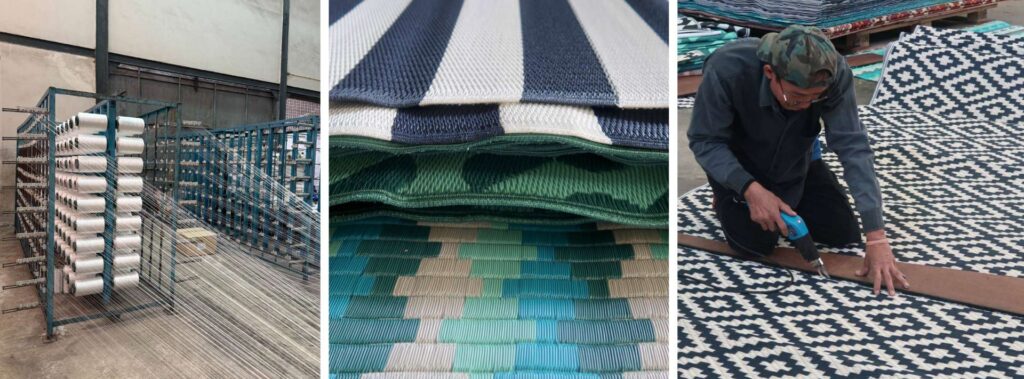
Most small brands lose weeks—sometimes months—because design and sourcing operate in isolation. Deepwear’s experience is clear: capsule collections run smoothly only when both meet early in the process.
Start Before the Tech Pack
Instead of completing a full tech pack before speaking to sourcing, integrate sourcing insights during concept and silhouette development:
- Can the chosen fabric hit low-MOQ manufacturing?
- Is the color repeatable for replenishment or future runs?
- Will the finish extend lead times?
- Is the fabric suitable for multi-season use?
- Are trims available locally, or do they require multi-region sourcing?
Early collaboration prevents designers from building a capsule around materials that don’t exist, cannot be repeated, or don’t meet budget and MOQ constraints.
Deepwear best practice:
Confirm fabric availability and MOQ feasibility first. Everything else flows from that.
2. Start With a Clear Capsule Direction
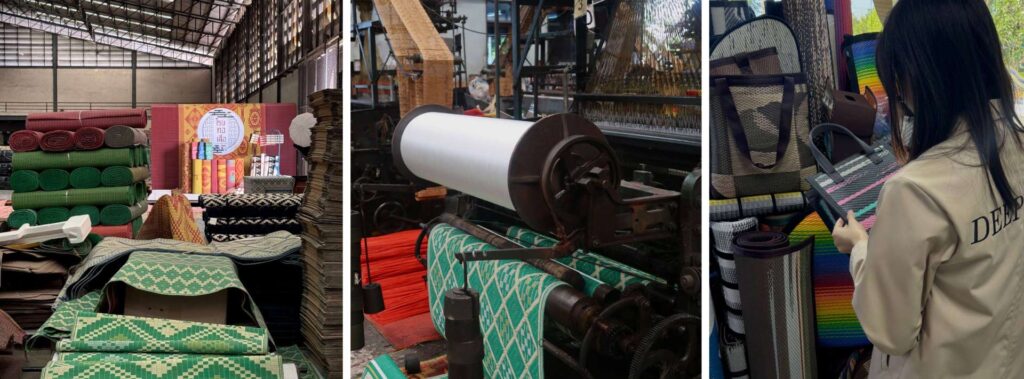
Before sourcing begins, define the capsule’s core logic: its purpose, mood, palette, and the role each piece plays. A capsule should feel intentional and cohesive without relying on microtrends or over-complex styling.
- What problem does this capsule solve for the customer?
- What scenarios should the pieces cover (work, evening, travel, casual)?
- How many SKUs are essential vs. optional?
- Which silhouettes support mix-and-match dressing?
Think of this stage as designing a system, not a set of isolated products.
A Note on Trend Inspiration: Capsules Should Prioritize Longevity
While capsule direction can be inspired by cultural moments, film aesthetics, or seasonal themes, they should never rely on short-lived trends. A capsule’s purpose is repeatability, versatility, and longevity.
This is why Deepwear’s sourcing guidance focuses on design languages, not costumes.
For example, in our recent blog “2026 Fashion Forecast: Film-Inspired Silhouettes Retailers Should Source Now,” we explored how films like Wicked and The Devil Wears Prada shape silhouettes and textures that already have long-term commercial value. These weren’t literal references — they highlighted timeless shapes such as:
- Relaxed tailoring
- Romantic draping
- Modular outerwear
- Purpose-driven utility
- Lived-in textures
These styles anchor a capsule because they are inspired, not copied. This avoids copyright issues, extends product life, and lowers waste.
3. Prioritize Fabrics and Materials That Enhance Longevity
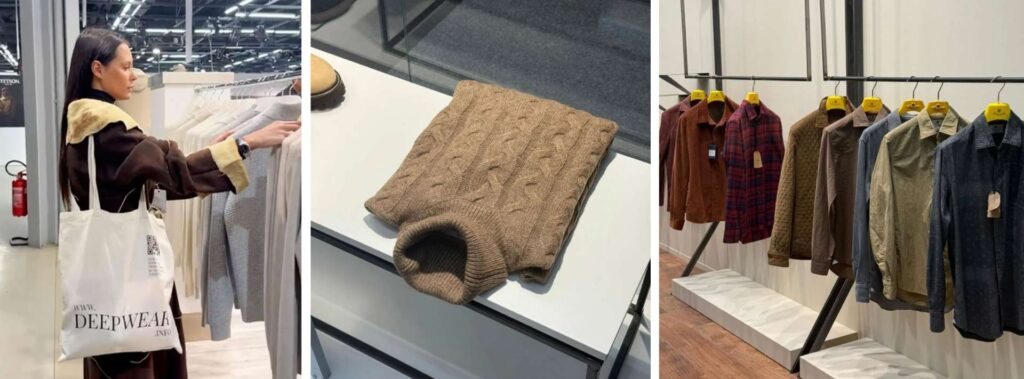
Capsule collections succeed when every fabric supports durability, versatility, and multi-season wear. Before locking silhouettes, confirm:
- Fiber longevity (does it pill, stretch, fade?)
- Replacement availability (can you reorder in small runs?)
- Price stability (does cost fluctuate per season?)
- Fabric consolidation (can multiple SKUs share one base fabric?)
Consolidating materials leads to tighter aesthetics and more efficient MOQ planning — a defining feature of strong capsules.
Deepwear best practice:
Use two to four core fabrics across the entire capsule for consistency and cost-effectiveness.
4. Build Around Repeatable, Multi-Use Silhouettes
Capsules are not for experimentation-heavy fashion. The goal is timelessness.
When selecting silhouettes, prioritize:
- Day-to-night adaptability
- Easy layering
- Seasonless functionality
- Strong repeat-purchase potential
- Suitability across body types
Good capsule pieces deliver multiple outfits with minimal effort. For production, this also means easier pattern reuse and reduced sampling rounds.
5. Plan MOQs Early — They Will Shape Your Final SKU Count
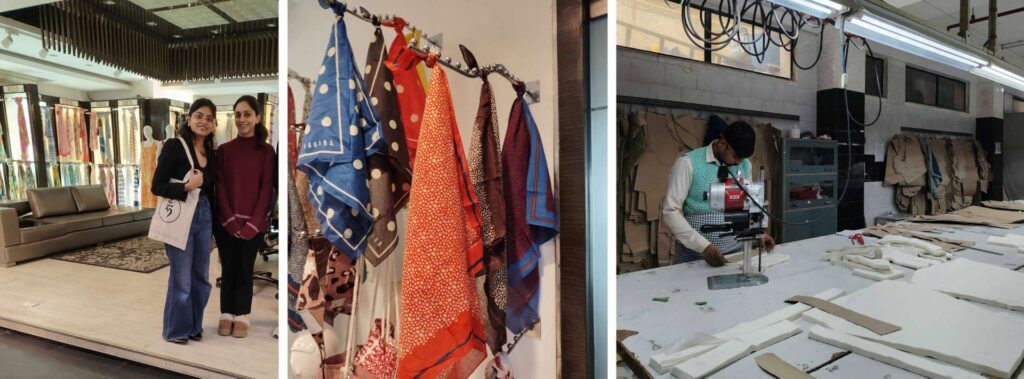
MOQ feasibility determines whether your capsule is viable. Many small brands design 15-piece capsules but can only produce eight due to real MOQ constraints.
During sourcing, confirm:
- MOQ per fabric
- MOQ per color
- MOQ per size ratio
- MOQ for trims and accessories
- Whether the factory accepts mixed-SKU fabric orders
Capsules typically succeed when SKUs share fabrics and colors — allowing MOQs to be met without inflating inventory or costs.
6. Limit Colorways (But Choose Them Intelligently)
Capsules thrive on focus. While variety feels appealing, too many colorways dilute both the aesthetic and the inventory budget.
A strong capsule usually includes:
- One anchor neutral
- One complementary neutral
- One accent color
- One optional mood color
Limiting colorways also keeps dye lots consistent and makes replenishment far easier.
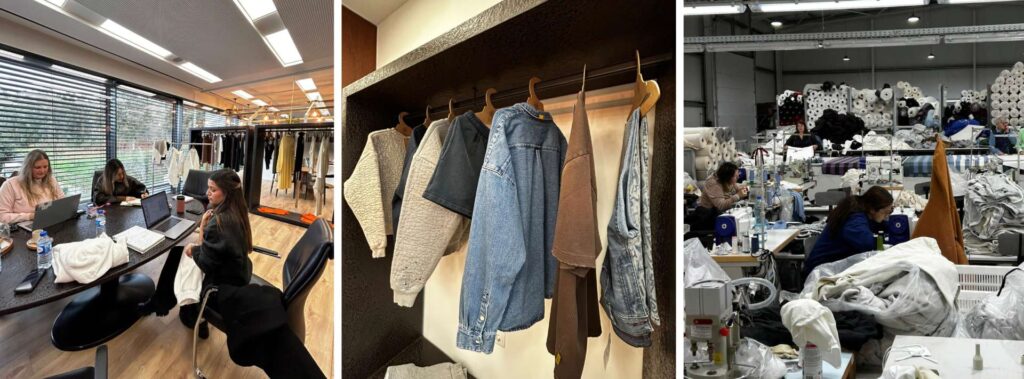
7. Source Trims and Finishes With Global Availability
Trims often cause unexpected delays. For capsules especially, trims must be:
- Widely available
- Re-orderable in small quantities
- Color-matched easily
- Not dependent on one factory
Whenever possible, use trims that multiple suppliers carry. This ensures flexibility and supports seamless repeat production.
If you want support structuring your capsule’s sourcing workflow—from confirming fabrics to coordinating suppliers—you can reach Deepwear’s team through our contact page to get tailored guidance for your next drop. Start your capsule workflow with Deepwear.
8. Align Production Timelines With Seasonless Selling
Capsules don’t need to follow the traditional fashion calendar. Production can be:
- Seasonless
- Limited-run
- Replenishment-friendly
- Customer-driven
This offers healthier cash flow and more control over inventory risk.
Factories in China, India, Thailand, Vietnam, Turkey,Portugal, Italy, Morocco, and Bulgaria usually offer more flexibility for small runs when timelines are communicated early.
9. Establish a Replenishment Strategy Before Launch
Capsule collections gain commercial traction through strong repeatability. Before launching:
- Confirm which fabrics and colors can be reordered
- Set MOQ thresholds for replenishment
- Identify which SKUs are “evergreen”
- Maintain clear communication with your supplier about repeat potential
A capsule that cannot be repeated is just a small seasonal collection — not a true capsule.
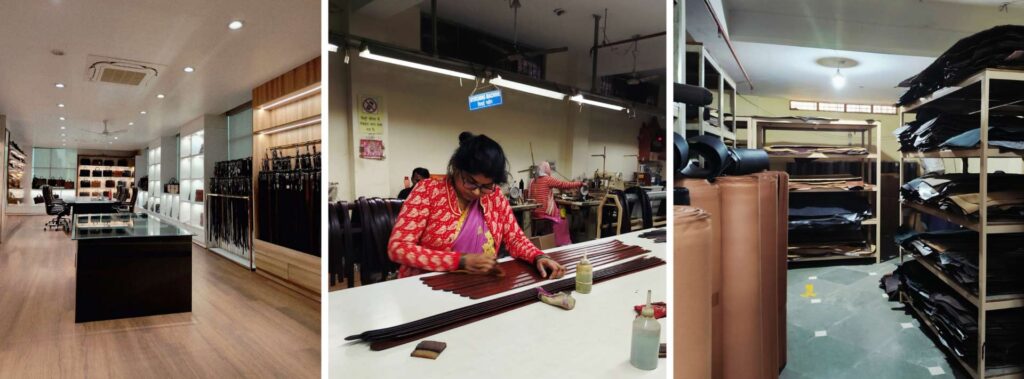
How Do You Source Fabrics for a Capsule Collection?
Brands should prioritize durability, repeatability, and MOQ feasibility. Capsule-friendly fabrics must be stable across multiple runs, easy to reorder, and available in small quantities. Deepwear supports this process by validating suppliers, testing repeatability, and confirming fabric availability before silhouettes are finalised.
A Capsule Collection Only Works With Strategic Sourcing
Our on-ground teams help emerging brands build capsules that are profitable, practical, and scalable. From confirming fabric feasibility to managing samples, negotiating MOQs, coordinating factories, and overseeing QC, we ensure every step is guided by clear communication and real, market-tested insights.
If you’re planning a capsule or moving toward smaller, seasonless drops, we always encourage starting with a one-on-one conversation with our CEO, Thoray d’Haese Sacoor. That early guidance helps align expectations, spot potential risks before they become costly, and create a sourcing plan that truly fits your brand, so you can move forward with confidence from the very first step.
Capsule collections succeed when every sourcing decision is intentional, repeatable, and financially smart. Deepwear can help you build a capsule that scales—from first prototypes to long-term replenishment.