
QR code traceability can build trust in fashion, but only when applied strategically. Learn when it adds value, when it doesn’t, and how brands should approach it.
In a digitally connected world, brand trust is no longer built on storytelling alone. Consumers want access, proof, and clarity not just values written on a website, but evidence they can verify for themselves.
This shift has pushed product traceability into the spotlight, with QR codes emerging as one of the most accessible tools for connecting physical products to digital supply chain information.
However, traceability is not a universal requirement nor is it always the right move at every stage of a brand’s growth. For some brands, QR-based traceability strengthens credibility and supports long-term scaling. For others, it introduces unnecessary complexity without meaningful return. At Deepwear, we see product traceability as a strategic decision, not a trend to follow blindly.
In this blog we cover:
- What product traceability means for fashion supply chains
- How QR codes support transparency and consumer trust
- When QR-based traceability makes sense for fashion brands
- When traceability may not be necessary or effective
- Best practices for implementing QR codes responsibly

What Is Product Traceability?
Product traceability refers to the ability to track and verify a product’s journey across the supply chain from raw material sourcing to manufacturing, packaging, distribution, and retail.
In fashion and apparel, this can include:
- Country of origin for materials
- Factory locations and production stages
- Certifications and compliance documentation
- Batch or production run information
- Care instructions and end-of-life guidance
QR codes act as the access point. When scanned, QR codes connect physical garments to verified supply chain data.— whether that’s a product page, database, or traceability platform.
Unlike traditional labels or hangtags, QR codes allow brands to:
- Update information without reprinting packaging
- Provide different information to different audiences (consumers, buyers, regulators)
- Move beyond static claims toward verifiable data
This shift matters because transparency is increasingly tied to consumer trust, regulatory expectations, and brand credibility particularly in global fashion supply chains.
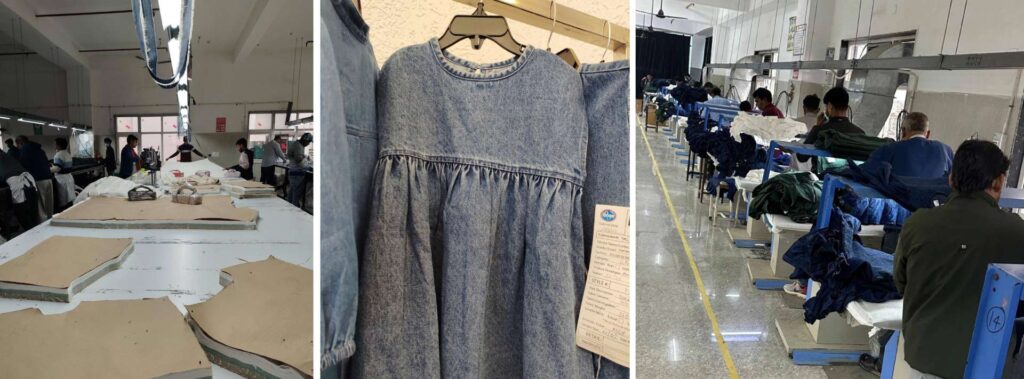
How QR Codes Enable Traceability
QR codes themselves are simple. Their value lies in what they connect to:
1. Supply Chain Transparency
When implemented properly, QR codes can surface information about sourcing, production timelines, and manufacturing partners. For brands working across multiple suppliers or regions, this visibility helps maintain consistency and accountability.
Internally, this data supports better decision-making around quality control, timelines, and supplier performance. Externally, it gives customers insight into how products are made — without overwhelming them.
This approach aligns with the broader supply chain clarity many brands seek when navigating global production challenges, a topic we explore further in Why Brands Switch to Deepwear: Insights from Real Industry Pain Points.
2. Authenticity and Counterfeit Prevention
In premium or limited-run fashion, authenticity matters. QR codes can help customers confirm that a product is genuine by linking to verified brand-controlled data.
While QR codes alone do not eliminate counterfeiting, unique or batch-specific codes add a layer of validation that generic labels cannot. This is particularly relevant for accessories, jewelry, and high-value garments where trust directly affects purchasing decisions.
3. Product Safety and Quality Control
Traceability is not only consumer-facing. Brands can use QR-linked data to identify specific production runs, materials, or suppliers if quality issues arise.
In practical terms, this allows for:
- Faster, more targeted recalls
- Reduced financial and reputational risk
- Clear documentation during audits or compliance checks
For brands scaling internationally, this operational visibility becomes increasingly important.
4. Consumer Engagement Beyond Marketing
QR codes can also connect customers to:
- Care instructions and repair guidance
- Sustainability context and certifications
- Packaging disposal or recycling information
This is especially effective when paired with thoughtful packaging strategies, such as those discussed in Sustainable Packaging for Fashion & Jewelry. Traceability works best when it enhances the customer experience — not when it feels like a technical add-on.
Traceability works best when the foundation is solid. Planning to add QR traceability to your products?
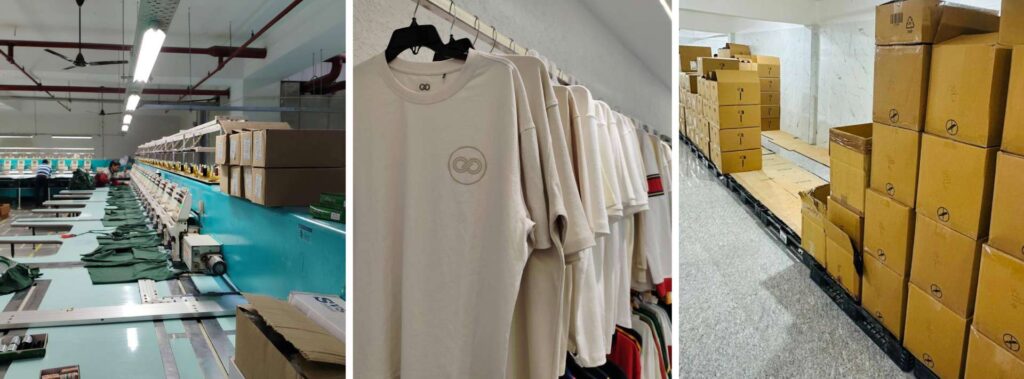
When QR Code Traceability Makes Sense
QR-based traceability delivers the most value when it aligns with how a brand already operates.
1. You Make Clear Sustainability or Ethical Claims
If your brand communicates commitments around responsible sourcing, ethical manufacturing, or environmental impact, traceability helps substantiate those claims.
Today’s consumers are wary of vague language. QR-linked data allows brands to shift from “trust us” to “see for yourself.” This strengthens credibility especially in values-driven markets.
2. You Operate at Medium to High Production Volumes
Traceability systems require structure. Brands producing across multiple factories or regions benefit most from QR codes because the data already exists — it simply needs to be organized and shared.
At scale, QR codes can actually reduce friction by standardizing how information flows across teams and partners.
3. You Sell Across Borders or Plan to Scale
As transparency regulations evolve — particularly in Europe — digital product information is becoming less optional. QR codes can support future compliance while helping brands prepare for long-term growth.
This kind of forward-looking infrastructure aligns with the agility discussed in our blog Agility Is the Advantage: How Deepwear Helps Brands Compete in a Changing Fashion Market.
4. You Compete in Trust-Sensitive Categories
Premium fashion, jewelry, and technically complex garments benefit most from traceability. When price and quality expectations are high, trust becomes a differentiator — and traceability supports that trust.

When QR Code Traceability May Not Be the Right Fit (Yet)
Despite its benefits, traceability is not always necessary — or advisable — for every brand.
1. You Are an Early-Stage or Low-Volume Brand
For small runs or emerging brands, the cost and operational effort of implementing QR traceability may outweigh the immediate benefits.
In these cases, direct communication, clear supplier relationships, and honest storytelling can be more effective than formal systems.
2. Your Supply Chain Is Still Evolving
Traceability highlights reality. If suppliers, materials, or production locations change frequently, QR codes may expose inconsistency rather than build confidence.
Stabilizing your supply chain first is often the smarter move.
3. You Lack the Resources to Maintain Accurate Data
Transparency only works if the information is current. Outdated or incomplete QR data can erode trust faster than having no QR code at all.
Traceability should never be performative.
4. Your Customers Are Not Asking for It
Not every market prioritizes deep transparency. Some customers still make decisions based on design, price, or speed. If traceability does not meaningfully influence purchasing behavior, it may not justify the investment.
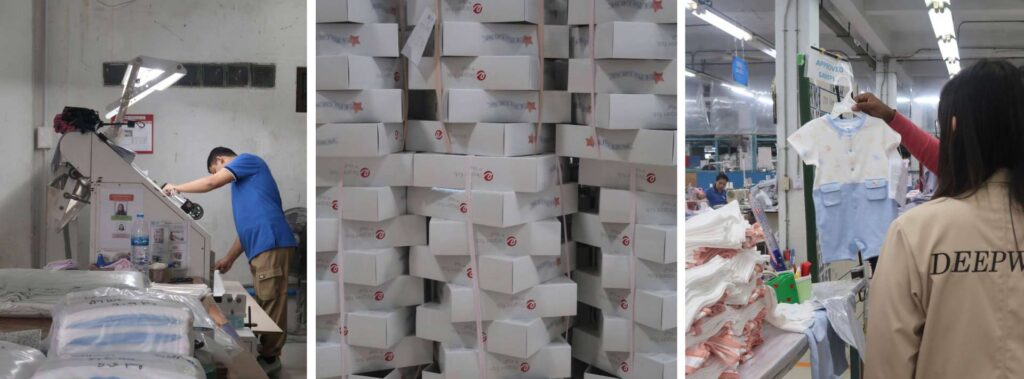
Best Practices for Brands Considering QR Traceability
If traceability is on your roadmap, a measured approach matters.
- Start with intent
Define what information you want to share — and why. Not every data point needs to be consumer-facing. - Ensure backend readiness
Traceability depends on accurate supplier data, documentation, and internal alignment. - Educate, don’t overwhelm
QR experiences should be clear and useful, not technical or exhaustive. - Build incrementally
Many brands start with batch-level traceability or limited product lines before scaling further.
Is QR code traceability mandatory for fashion brands?
No. Traceability is not universally required. Its value depends on brand size, market expectations, production scale, and regulatory exposure.
Do QR codes prevent counterfeiting?
Not entirely. QR codes can support authenticity verification, but only when paired with controlled data systems and unique or batch-level codes.
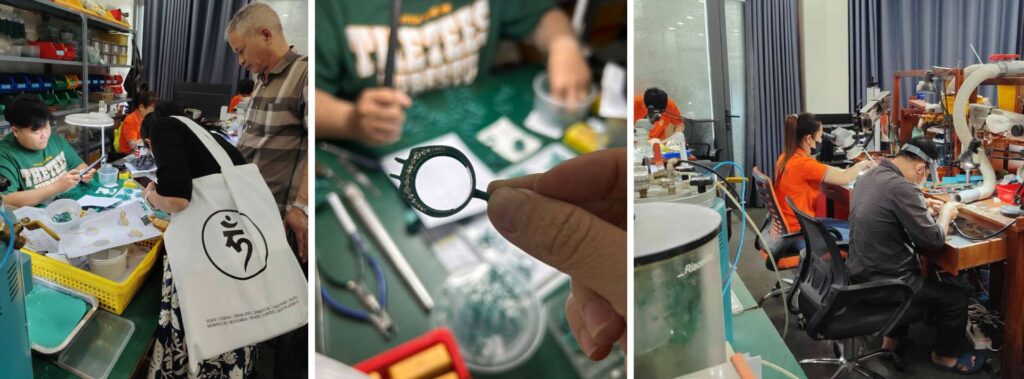
Transparency as a Strategy, Not a Statement
QR codes are tools — not shortcuts to trust. When used intentionally, they support transparency, operational clarity, and long-term credibility. When rushed or misaligned, they add complexity without value.
At Deepwear, we help brands evaluate when traceability makes sense, how to implement it responsibly, and how to align transparency with real supply chain practices — not just marketing narratives. Whether you’re exploring QR codes now or laying the groundwork for later, the goal remains the same: build trust through consistency, clarity, and integrity.
Thinking about transparency but unsure how far to take it? Deepwear helps brands decide when traceability adds value, how to implement it responsibly, and when it’s smarter to wait. Let’s define the right approach for your supply chain.