What big fashion brands can learn from independent designers about agility, ethics, and production. Deepwear supports scalable, responsible sourcing for brands of every size.
For all its glamour, the global fashion industry has long been shaped by a small, powerful group — from executives controlling buying power to creative directors setting trends at scale. While diversity often appears on runways and in campaigns, true creative control and economic opportunity remain concentrated. Yet fashion has always been a craft built by many: seamstresses, pattern-makers, tailors, artisans, and countless underpaid workers across the Global South who keep the system running.
Independent fashion designers stand in stark contrast to that homogeneity. They are malleable, adaptive, culturally rooted, and deeply connected to the communities they create for. Some grow through organic social media momentum. Others work quietly, refining their craft and protecting traditions that risk disappearing. As the industry reaches for authenticity, sustainability, and human connection, independent fashion designers are often the ones leading the way.
This raises an important question:
What can big fashion learn from them?
In this blog we cover:
- How independent fashion designers drive creativity and fresh ideas in fashion.
- What big brands can learn from their agility and customer insight.
- Why craft, heritage, and ethical production matter more than ever.
- How indie designers reduce waste through small-batch, adaptive workflows.
How Deepwear supports both emerging and established labels with ethical sourcing, flexible manufacturing, and global production solutions.
1. Creativity Thrives Without Gatekeeping
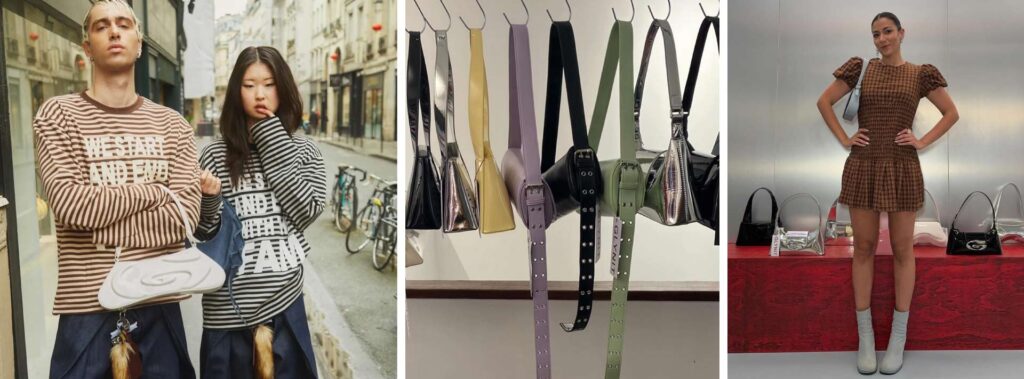
Independent fashion designers enter the industry with limited resources but boundless autonomy. They experiment freely with silhouettes, materials, cultural references, and construction techniques without the layers of approvals that can dilute ideas in corporate settings.
Big fashion can learn from this by:
- Allowing smaller, agile design units within their teams
- Giving designers more room to experiment beyond rigid forecasting cycles
- Nurturing internal talent rather than relying solely on celebrity creative directors
Creativity expands when more people are allowed to participate.
2. Deep Knowledge of Their Customer
Independent designers know their communities personally — their fit issues, cultural needs, preferences in function and style, and frustrations with standard sizing.
This proximity allows them to innovate with purpose, not merely react to trend forecasts.
Our blog How Gender-Neutral Fashion Is Reshaping the Apparel Industry shows how independent designers are often the first to respond to underserved groups, designing with inclusivity and lived experience in mind.
Big fashion can learn to:
- Invest in genuine community feedback loops
- Rethink sizing systems to include real bodies
- Develop micro-collections that respond to real-world needs
This is not just good design — it’s good business.
3. Agility and Adaptation as a Core Strength
Indie designers survive by being quick. They test ideas in small batches, respond to cultural moments in real time, and adapt their processes as needed. Their superpower is speed paired with intuition. Agility is most effective when backed by solid systems. Independent designers thrive when they can blend intuition with a reliable, structured production partner.
Big brands can take note by:
- Creating faster, ethical prototyping systems
- Shortening decision cycles
- Piloting small-run capsules to reduce risk and prevent overproduction
Agility also benefits sustainability: fewer SKUs, smarter output, less waste.
Curious how small-batch agility and ethical sourcing could work inside your own brand structure? Explore how Deepwear supports flexible manufacturing and responsible production through our global sourcing services.
4. Keeping Craft Alive
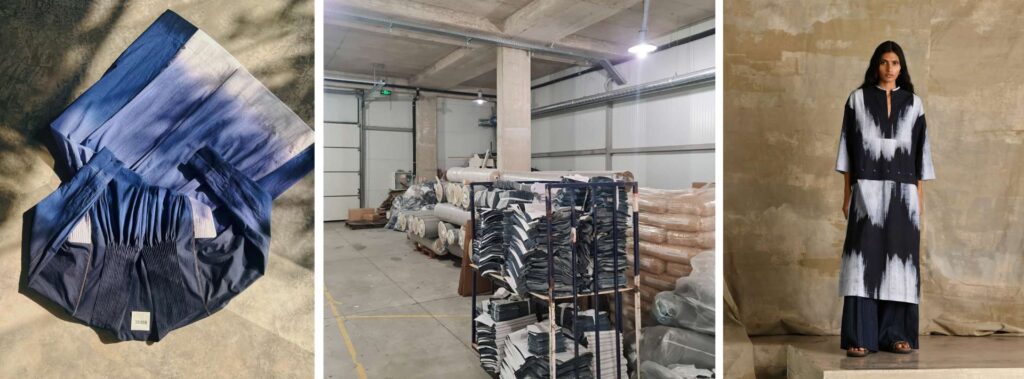
Many independent designers keep meticulous, heritage-based crafts alive — beading, natural dyeing, handweaving, pattern-drafting, or specialty tailoring. These crafts are often learned through lineages, not institutions, and are kept alive through real practice, not marketing.
We explored this deeply in Thai Silk: Heritage, Craftsmanship, and Global Luxury Sourcing, where we noted how artisanal work brings cultural value and irreplaceable texture to fashion.
For big fashion, the lesson is clear:
- Partner with artisans rather than mimic their techniques
- Support craft economies and credit the communities behind the work
- Shift from appropriation to collaboration
Craft survives when creators are recognized and compensated.
5. Ethical Fashion Is a Collaborative Effort
Independent designers often see the entire supply chain — they know their pattern-makers, cutters, and seamstresses by name. Ethics matter to them not because it’s a trend, but because their brands rely on relationships.
Many of the issues they face mirror the challenges described in Why Brands Switch to Deepwear, where we outlined common production pain points and how transparency and consistency transform outcomes.
Big fashion can learn to:
- Treat every production partner as part of a creative ecosystem
- Build long-term relationships rather than chasing the lowest cost
- Increase transparency so consumers understand who made their garment
Ethics isn’t a marketing story. It’s a daily practice.
If you’re exploring small-batch manufacturing, ethical sourcing, or a more reliable production workflow, Deepwear can guide you through each step with clarity and structure.
Why Deepwear Is the Partner Both Emerging & Established Brands Need
Independent fashion designers bring imagination, risk-taking, and fresh cultural perspectives. Established brands bring reach, resources, and large-scale influence. But both groups face the same pressures today: rising production costs, sustainability demands, unpredictable supply chains, and the need for smarter, more ethical growth.
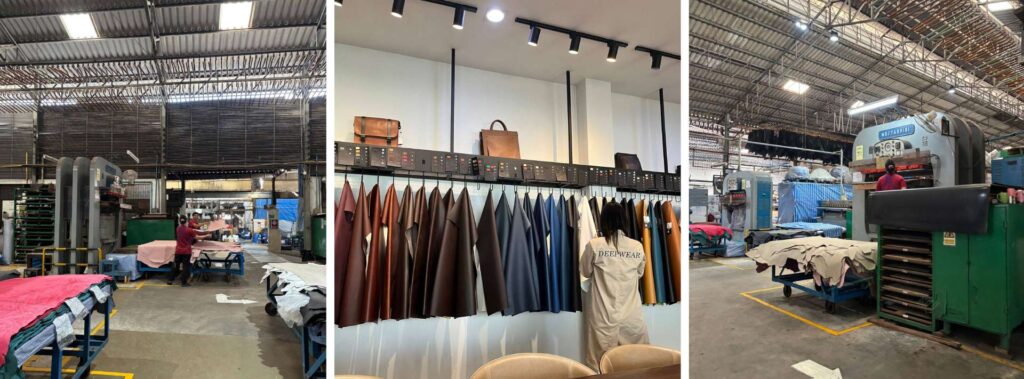
Deepwear sits in the middle of this ecosystem—not as a middleman, but as a long-term partner that supports designers at every stage.
For Independent & Emerging Designers
Deepwear can help small and growing labels protect their identity while accessing the same trusted infrastructure used by global brands.
- Small-batch manufacturing that reduces waste and avoids overproduction
- Ethical sourcing support, from sustainable fabrics to socially compliant factories
- Sampling and tech-pack development that translates creative ideas into production-ready garments
- Hands-on quality control that ensures small brands don’t fall into the common traps of inconsistent fit or unreliable suppliers
- Guidance on scaling responsibly, at a pace that preserves the designer’s vision
For Established Brands Looking to Expand
Larger brands come to Deepwear for flexibility, speed, and international capability.
- Global sourcing networks across Europe, Asia, and the US
- Factory compliance audits to ensure responsible production
- Manufacturing flexibility, from capsule collections to full-season planning
- Support for entering new markets, with guidance anchored in real on-ground partnerships
End-to-end production oversight that reduces delays and quality inconsistencies.
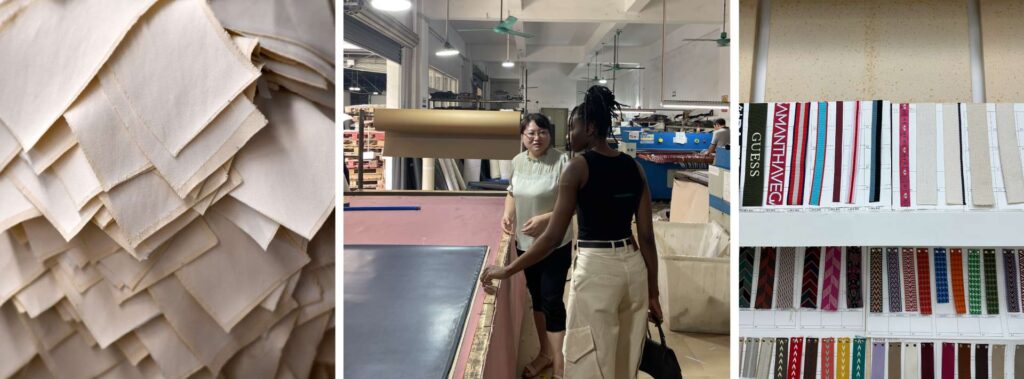
The Deepwear Advantage
No matter the brand’s size, our approach remains the same: collaborative, transparent, and relationship-driven. We are selective with whom we work, not to gatekeep, but to ensure we invest in labels whose values align with ours. When we see talent—whether emerging or established—we nurture it with the structure and global reach needed to succeed.
With Deepwear, fashion becomes collaborative again: creativity + structure, ethics + scale, individuality + reach.
What Can Big Fashion Brands Learn from Independent Designers?
Independent designers show that agility, close customer relationships, and ethical production can coexist with strong commercial performance. Their small-batch workflows reduce waste, protect craftsmanship, and allow faster adaptation to cultural and market shifts. Deepwear helps both independent and established brands apply these principles at scale through structured sourcing, compliant factories, and flexible manufacturing models.
Why Big Fashion Needs Independent Designers
Independent designers keep fashion alive. They push design forward, uphold dying crafts, understand their communities intimately, and remind the industry that fashion is made by human hands.
When it comes to materials, we explored in Why the Right Knit Fabric Matters how thoughtful fabric choices strengthen both creativity and product performance; something indie designers excel at because they obsess over details. For those ready to scale their work beyond local markets, How to Take Your Fashion Brand Global in 2025 breaks down how creativity paired with the right infrastructure can grow into a global presence. The lesson for big fashion is not to imitate but to listen, collaborate, and open the gates.
When the industry makes space for more voices, fashion becomes what it was always meant to be: a universal craft, not a closed circle. Whether you’re scaling an independent label or rethinking production inside a larger brand, the right sourcing structure makes the difference.Connect with Deepwear to build ethical, flexible, and production-ready collections supported by real on-ground expertise.