
Confused by factory emails? Master essential fashion manufacturing abbreviations with our guide. Learn the real meaning of FOB, MOQ, AQL, and PPS to avoid costly sourcing mistakes and protect your margins.
If you’re a fashion startup working with manufacturers for the first time, one of the fastest ways to lose time and money is misunderstanding the language being used around you. Factory emails arrive filled with abbreviations. Cost sheets reference short forms no one explains. Production updates sound precise, but opaque.
Industry veterans rarely stop to clarify these terms because, to them, they’re basic operational shorthand. For startups, that gap in understanding often leads to delayed launches, misaligned costs, or avoidable production mistakes.
In this blog we cover:
- Core merchandising abbreviations that shape timelines and decision-making
- Costing and finance terms that directly affect margins
- Sampling and production abbreviations that act as risk checkpoints
- Fabric and testing terminology tied to real performance outcomes
- Quality, compliance, and audit language required for scale
- Logistics and shipping terms that define responsibility and cost exposure
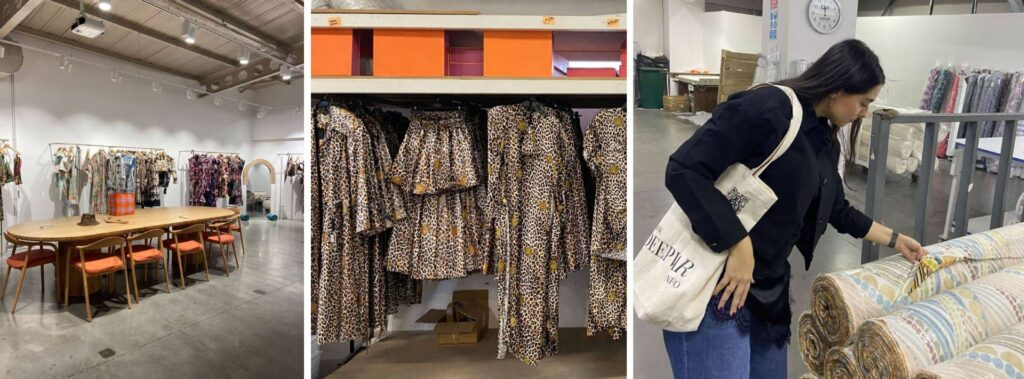
General Merchandising
In early-stage sourcing, expectations often solidify faster than the process itself. Consider a situation where a startup finalizes designs and receives positive feedback from a factory. Pricing discussions go smoothly, and there is a shared assumption that production will naturally follow. Weeks later, however, sampling stalls, approvals remain undefined, and delivery timelines begin to drift. The issue is not factory capability, but misalignment: timelines, product complexity, and internal decision points were never structured through standard merchandising tools. This is typically where Deepwear intervenes early, translating factory planning logic into a production framework that startups can realistically operate.
| Abbreviation | Meaning | Why It Matters for Startups |
| T&A | Time and Action Plan | Maps every milestone; one missed date can shift the entire schedule |
| OTB | Open to Buy | Prevents overcommitting cash when adding styles or quantities |
| SKU | Stock Keeping Unit | Each SKU increases production and QC complexity |
| BOM | Bill of Materials | Errors lead to incorrect costing and material shortages |
| R&D | Research and Development | Skipping this often causes failed samples later |
| MMR | Monthly Merchandising Report | Provides visibility without chasing factory updates |
| MRM | Merchandising Review Meeting | Resolves issues before they impact delivery |
Why this matters:
Factories plan capacity based on these tools. Brands that understand them are easier to work with and more likely to get reliable timelines.
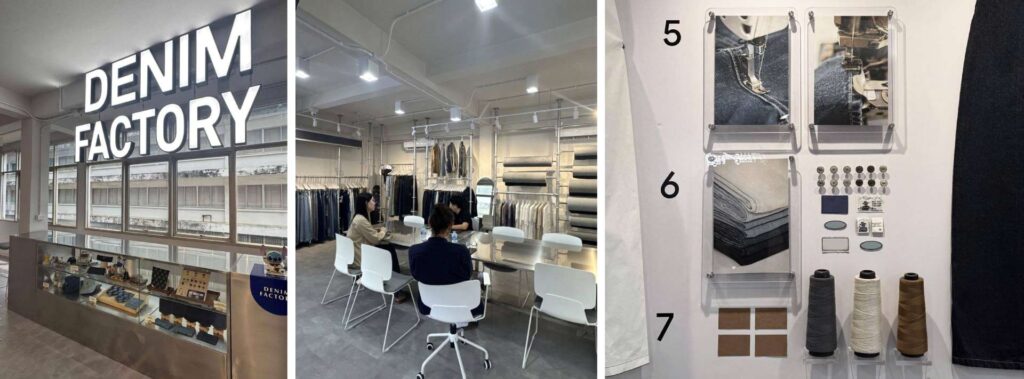
Costing & Finance
A common situation might be a startup agrees to a factory quote that looks competitive. Only later do shipping invoices arrive, followed by duties and customs fees that weren’t accounted for. By the time the goods land, margins are significantly thinner than expected.
In most cases, the problem isn’t pricing, it’s misunderstanding what the pricing terms actually included.
| Abbreviation | Meaning | Why It Matters |
| CM | Cost of Making | Labor only; not a full garment cost |
| CMT | Cut, Make, Trim | Excludes fabric and development costs |
| FOB | Free on Board | Standard Deepwear pricing; offers cost transparency |
| CIF | Cost, Insurance, Freight | Still excludes duties and taxes |
| LDP | Landed Duty Paid | Simplifies budgeting but usually costs more |
| TT | Telegraphic Transfer | Payment timing affects production release |
| L/C | Letter of Credit | Rare for startups due to complexity |
Why this matters:
Understanding costing language allows startups to compare suppliers accurately and protect margins from hidden costs.
Production & Sampling
Imagine a startup under pressure to launch. To save time, the brand minimizes sampling and pushes quickly into bulk production. Fit issues appear after cutting begins. Fabric behaves differently at scale. Corrections become expensive or impossible.
Sampling stages aren’t formalities; they’re safeguards.
| Abbreviation | Meaning | Why It Matters |
| PPS | Pre-Production Sample | Final approval before bulk cutting |
| SMS | Salesman Sample | Used for buyers or lookbooks before costing is locked |
| TOP | Top of Production Sample | Verifies bulk accuracy early |
| DSS | Display Sample Set | Impacts buyer and retail perception |
| FPP | Final Production Plan | Locks quantities and timelines |
| PCD | Planned Cut Date | Missing it often means missing delivery |
| LSD | Lab Submission Date | Late tests delay bulk approval |
Why this matters:
At Deepwear, PPS approval is treated as a hard gate—bulk production doesn’t move forward without it.
Lost in translation with your factory? If you don’t know the difference between a TOP and a PPS, you might be approving mistakes without realizing it. Contact our sourcing experts to manage your communication and ensure every sample stage protects your investment.
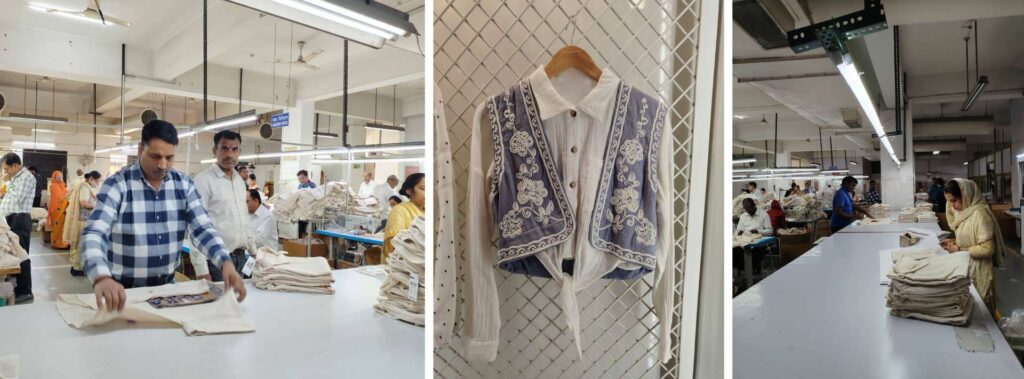
Fabric & Testing
Fabric is approved based on appearance and hand feel, which is a common occurrence among first-time brands. No testing is discussed. After launch, customers report shrinkage, fading, or seam failure. Returns increase, and brand trust takes a hit. Fabric performance isn’t visible on day one, but it shows up after the first wash.
| Abbreviation | Meaning | Why It Matters |
| GSM | Grams per Square Meter | Weight affects drape, durability, and cost |
| RFD | Ready for Dyeing | Requires extra lead time for color development |
| Y/D | Yarn Dyed | Better color depth and longevity |
| PFD | Prepared for Dyeing | Offers flexibility but affects timelines |
| CF | Color Fastness | Poor results lead to fading complaints |
| TF | Thread Fastness | Weak threads cause seam failure |
| FPT | Fabric Performance Test | Prevents post-launch quality issues |
Why this matters:
Deepwear aligns testing requirements early so fabric behavior matches end use—not just appearance.
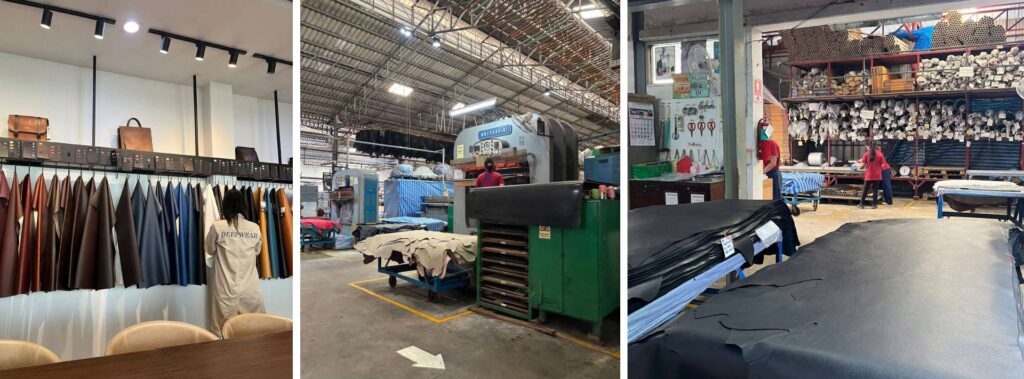
Quality & Compliance
Consider a startup that gains traction and begins conversations with international buyers. One of the first questions asked isn’t about design—it’s about quality standards and compliance documentation. The brand isn’t prepared.
Quality and compliance terminology becomes essential as soon as you plan to scale.
| Abbreviation | Meaning | Why It Matters |
| AQL | Acceptable Quality Level | Defines inspection tolerance |
| QC | Quality Control | Identifies defects after they occur |
| QA | Quality Assurance | Prevents defects through systems |
| CSR | Corporate Social Responsibility | Required by many retailers |
| BSCI | Business Social Compliance Initiative | Common audit framework |
| SEDEX | Supplier Ethical Data Exchange | Shares compliance data with buyers |
Why this matters:
Deepwear aligns AQL and compliance expectations upfront to avoid last-minute rejections or buyer friction.
Compliance questions tend to appear suddenly, and often when buyers are already involved. Deepwear prepares startups for AQL, QA systems, and audit expectations before those conversations begin. Get in touch with our team to learn more.
Logistics & Shipping
Imagine a startup selects a delivery term without fully understanding what it includes—take this as an example of how freight costs rise, timelines shift, and responsibility becomes unclear once delays occur. Shipping language defines accountability, and mistakes here can erase margins quickly.
| Abbreviation | Meaning | Why It Matters |
| ETA | Estimated Time of Arrival | Impacts launch and inventory planning |
| ETD | Estimated Time of Departure | Signals production completion |
| AWB | Air Way Bill | Required for air freight |
| B/L | Bill of Lading | Legal document for sea freight |
| EXW | Ex-Works | Buyer assumes responsibility early |
| DDP | Delivered Duty Paid | Simplest, rarely cheapest |
Why this matters:
Deepwear helps startups choose shipping terms based on risk tolerance, budget, and timelines—not convenience alone.

What is the difference between CM, CMT, and FOB pricing?
CM (Cost of Making) covers labor only. CMT (Cut, Make, Trim) includes labor and trims but not fabric. FOB (Free on Board) is the industry standard, covering fabric, labor, and transport to the port. Startups should usually aim for FOB to avoid hidden costs.
Why is the PPS (Pre-Production Sample) so important?
The PPS is the final “gold standard” before bulk manufacturing begins. It proves the factory can replicate the design with the correct fabric and trims. Approving bulk production without a sealed PPS is the #1 cause of production disasters.
What This Means for Emerging Brands
For established brands, these abbreviations are second nature. For startups, misunderstanding them leads to tangible consequences: incorrect costing, missed delivery windows, quality disputes, and strained factory relationships. You don’t need to memorize every term, but you do need to understand the decisions they represent and the risks attached to them.
Speak the Language of Production
Don’t let acronyms become expensive errors. Whether you need help decoding a cost sheet or setting up a quality control framework, Deepwear translates factory logic into brand success. Get Professional Sourcing Support.