
India apparel manufacturing partner for US, UK & EU brands. Discover how Deepwear India simplifies global supply chains through managed sourcing.
Freight volatility, energy price swings, tariff recalibration, and geopolitical tension have forced apparel brands to reassess their global manufacturing footprint. The response in many cases has been reactive: move production, diversify quickly, add factories. Yet adding vendors does not automatically create resilience. In fact, unmanaged diversification often increases complexity.
The more relevant question is not whether India can manufacture at scale. It can. India is one of the world’s largest textile and apparel producers, with deep vertical integration from cotton cultivation to finished garment production. The real question is whether India is the right apparel manufacturing partner for your market base and operational model.
For brands headquartered in the United States, the United Kingdom, Australia, New Zealand, and mid-tier European Union countries, partnering with Deepwear India offers measurable global supply chain simplification. Not because India eliminates risk, but because managed production reduces fragmentation, increases cost visibility, and consolidates sourcing under structured oversight.
In this blog we cover:
- Why India is emerging as a strategic apparel manufacturing partner for Western brands
- Which markets benefit most from sourcing and manufacturing in India
- How Deepwear India consolidates fragmented supplier networks
- When India makes strategic sense in a global sourcing strategy
- How managed production simplifies complex global supply chains
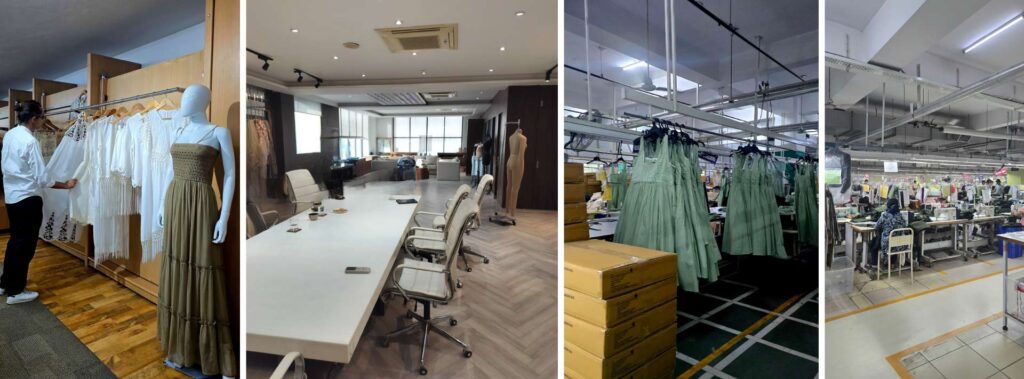
Is India the Right Apparel Manufacturing Partner for Your Market?
India is not a universal solution. It does not replace nearshoring for ultra-fast replenishment models, nor does it eliminate maritime exposure. However, for specific markets and business structures, sourcing from India aligns with cost control, scale expansion, and supplier diversification goals.
1. United States: Diversification and Scale for Volume-Driven Brands
For brands based in the United States, Asia-oriented sourcing models are already embedded in operational strategy. As companies reassess overconcentration in single-country supply chains, India has become a critical “China+1” or “multi-hub” pillar.
India’s strengths include:
- Large-scale cotton production and yarn capacity
- Knitwear clusters such as Tirupur
- Woven and embellished garment expertise in Delhi NCR and Jaipur
- Leather and footwear production in Tamil Nadu
- Competitive labor economics for mid- to large-volume programs
For US apparel brands operating on seasonal production cycles rather than weekly replenishment, apparel production in India offers margin flexibility without sacrificing manufacturing capacity.
The trade-off remains transit time. Shipping from India to the US East Coast averages approximately 30–40 days by sea, depending on routing. However, when collections are planned with adequate lead time, the cost advantages and diversification benefits outweigh the logistical extension.
Deepwear India simplifies this model by consolidating fragmented supplier relationships into a structured production ecosystem. Rather than managing multiple independent factories, brands interface with a coordinated oversight framework covering sampling, compliance, quality control, and timeline monitoring.
If you are a US-based apparel brand evaluating sourcing diversification, Deepwear India provides managed production rather than unmanaged expansion.
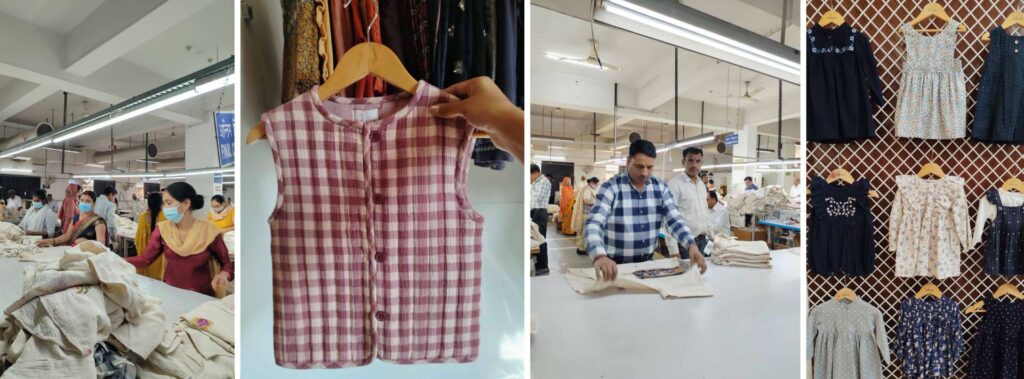
2. United Kingdom: Cost Structure Optimization Post-Brexit
Brands headquartered in the United Kingdom have faced structural sourcing recalibration following Brexit. While Turkey remains attractive for proximity to Europe, pricing pressure and supplier concentration risk are increasing strategic concerns.
India presents an alternative for UK mid-market and premium high-street brands seeking:
- Cost efficiency in cotton-heavy categories
- Access to artisan-driven detailing and embroidery
- Scalable production for expanding volume
- English-language commercial alignment
Sourcing from India does not replace Turkey’s proximity advantage, particularly for rapid replenishment cycles. However, for structured seasonal production, India’s cost-to-capacity ratio is compelling.
Deepwear India reduces coordination complexity through centralized communication and negotiated cost transparency. Instead of navigating multiple regional factories independently, brands operate through a structured oversight system that aligns development, production, and compliance processes.
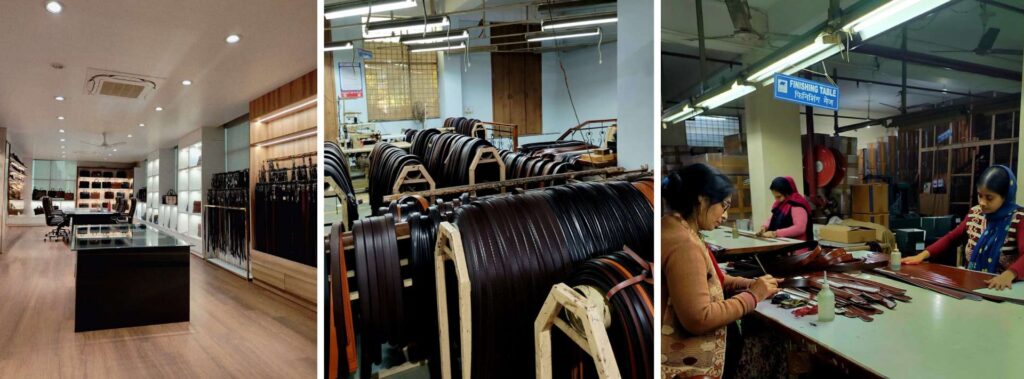
3. Australia and New Zealand: Logical Asia-Pacific Alignment
For brands based in Australia and New Zealand, sourcing from India represents geographic and strategic alignment. Domestic manufacturing capacity is limited, and cost sensitivity is a structural reality in these markets.
India offers:
- Competitive apparel production across woven, knit, and embellished garments
- Scalable order capacity for growing brands
- Integrated textile infrastructure
- Established export relationships across Asia-Pacific
Transit times from India to Australia typically range between 18–28 days by sea, depending on port routing. For brands operating seasonal collections rather than hyper-accelerated fast fashion, this remains commercially viable.
Deepwear India’s supplier consolidation reduces the burden on brands that lack large in-house sourcing teams. Production planning, sampling management, and quality control oversight are structured through a centralized interface, simplifying the operational burden for emerging and mid-scale labels.
4. Mid-Tier European Union Markets: Margin and Diversification Strategy
Brands in mid-tier European Union markets such as Germany, Netherlands, France, and Belgium face rising production costs within Europe and increased reliance on nearshore hubs like Turkey and Morocco.
India does not replace the proximity advantage of truck-based European supply chains. However, it offers diversification and volume scalability in categories where margin pressure is significant. Shipping from India to Northern Europe typically ranges between 22–35 days by sea. While this is longer than Mediterranean nearshoring routes, brands with structured seasonal planning can absorb the timeline in exchange for cost efficiency and capacity.
Deepwear India mitigates common concerns around supplier fragmentation, subcontracting opacity, and quality inconsistency through active on-ground management. In volatile freight environments, structured oversight reduces operational surprises.
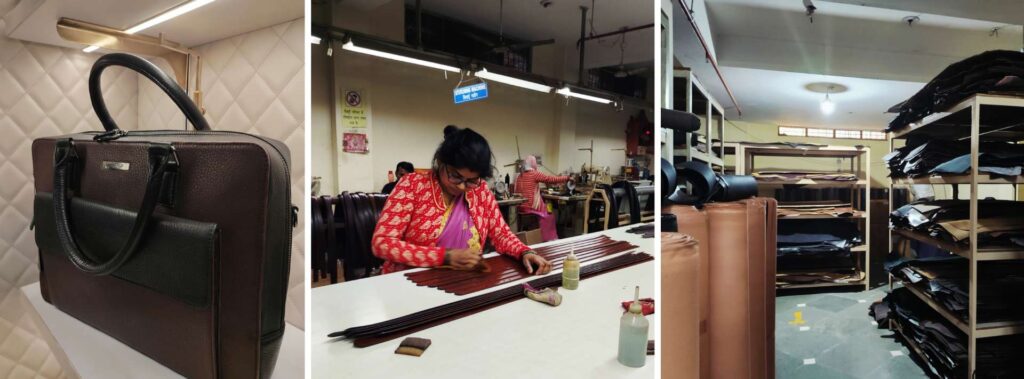
How Deepwear India Simplifies Global Supply Chains
Simplification is not a function of geography alone. It is a function of control.
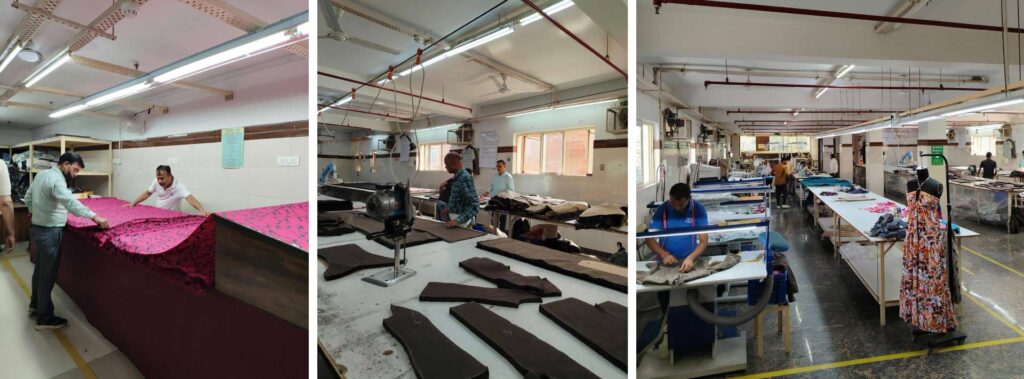
India’s manufacturing ecosystem is extensive but decentralized. Without structured oversight, fragmentation increases risk and communication gaps. Deepwear India transforms this environment into a managed production system.
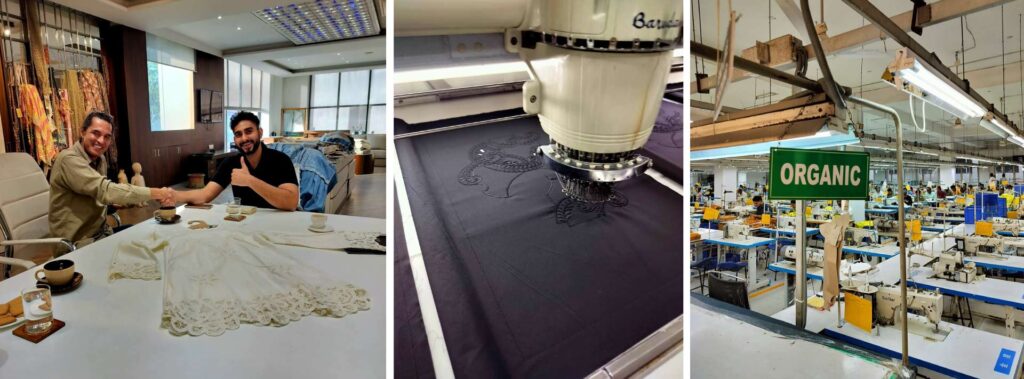
1. Supplier Identification and Vetting: Factories are assessed based on technical capabilities, specialty, capacity, MOQ, lead time, price, communication, quality, compliance and export history. This reduces onboarding risk and ensures alignment with brand standards.
2. Sampling and Technical Development: Technical packs are reviewed and discussed with suppliers to coordinate the sampling process. We conduct quality inspections on the prototype and present a report for final approval. We then coordinate any adjustments that need to be made to the samples.
3. Cost Negotiation and MOQ Structuring: We support negotiations with suppliers regarding pricing, MOQs, and lead times based on our experience. However, the final agreement depends on both the brand and the supplier.
4. Production Monitoring: The production manager sets up the timeline at the beginning when the bulk order is placed, and we follow up with the supplier to ensure production is running on schedule.
5. Quality Inspection: We coordinate quality inspections based on the guidelines provided by the brand and submit the inspection report for client approval. If any defects are identified, we address them with the brand and support discussions with the supplier to find a solution.
6. Logistics Coordination: Once the bulk order is finished, our team gathers one or two logistics quotes from our freight partners based on the final packing list. Upon approval, we coordinate the shipment. If the client has its own forwarding company, we support the logistics coordination with them.
Considering India for your next production cycle? Deepwear helps brands evaluate whether India fits their product categories, volumes, and supply chain structure. Speak with our sourcing team.
When Sourcing from India Makes Strategic Sense
India is a strong fit if:
- Your brand is headquartered in the US, UK, Australia, New Zealand, or mid-tier EU markets.
- You operate seasonal collections with structured lead times.
- You prioritize margin resilience over ultra-fast replenishment.
- You require scalable capacity across multiple product categories.
- You seek diversification beyond concentrated nearshore hubs.
India may not be ideal if:
- Your replenishment cycle is under four weeks.
- Your competitive advantage relies on truck-based European distribution.
- Your production volumes are too limited to leverage factory scale.
Clarity in strategic alignment prevents misallocation of production resources.
Frequently Asked Questions
Is India a good alternative to Turkey for apparel manufacturing?
India is a viable alternative for brands prioritizing cost efficiency and scale. However, Turkey maintains a lead-time advantage for European markets. Turkey also has a strong hold on synthetic materials. If your brand is working with wovens like linen or cotton, India is usually more competitive, so the choice is subjective to the product category.
How long does shipping from India to the United States take?
Sea freight from India to the US typically ranges between 30–40 days depending on port routing and destination coast.
Can India handle both sourcing and full garment production?
Yes. India offers vertical integration across cotton cultivation, spinning, weaving, knitting, dyeing, embellishment, and finished garment production.
Does sourcing from India reduce supply chain risk?
It reduces concentration risk by diversifying production geography. However, maritime shipping exposure remains a structural factor.
Is India suitable for mid-sized apparel brands?
Yes, particularly when managed through a structured sourcing partner capable of negotiating MOQs and overseeing production workflows.
Managed Production Creates Real Simplification
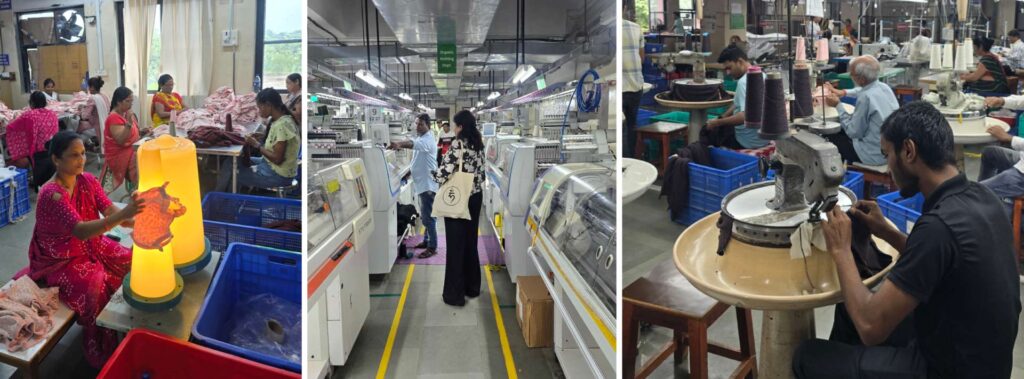
India is a strategic manufacturing base when geography, trade alignment, and brand structure intersect correctly. For US, UK, Australian, New Zealand, and mid-tier EU brands, partnering with Deepwear India enables consolidated sourcing, transparent production management, and scalable apparel manufacturing within a structured ecosystem.
In a volatile supply chain environment, simplification does not come from relocating factories alone. It comes from building managed production systems that reduce fragmentation and increase visibility.
If your brand is evaluating sourcing from India as part of a long-term global supply chain simplification strategy, Deepwear India provides structured, on-ground oversight aligned with scale, compliance, and margin control.