
At Deepwear, we are dedicated to transforming the fashion industry by embracing sustainable practices that align with our core values of integrity, transparency, and efficiency. As part of this mission, we are proud to spotlight a fascinating experiment on the biodegradability of elastic bands, a project led by Mandy, the founder of CHARLE. This experiment, which demonstrates how elastics can be composted under realistic garden compost conditions, is a pivotal step in ensuring that materials used in fashion can be both functional and environmentally responsible. The results of this test shed light on the potential for these traditionally overlooked materials to be a key part of the sustainable fashion movement.

Deepwear’s Commitment to Sustainable Innovation: Highlighting the Biodegradability of Elastic Bands
At Deepwear, we are dedicated to transforming the fashion industry by embracing sustainable practices that align with our core values of integrity, transparency, and efficiency. As part of this mission, we are proud to spotlight a fascinating experiment on the biodegradability of elastic bands, a project led by Mandy, the founder of CHARLE. This experiment, which demonstrates how elastics can be composted under realistic garden compost conditions, is a pivotal step in ensuring that materials used in fashion can be both functional and environmentally responsible. The results of this test shed light on the potential for these traditionally overlooked materials to be a key part of the sustainable fashion movement.
The Biodegradability Experiment: A Groundbreaking Initiative in Sustainable Materials
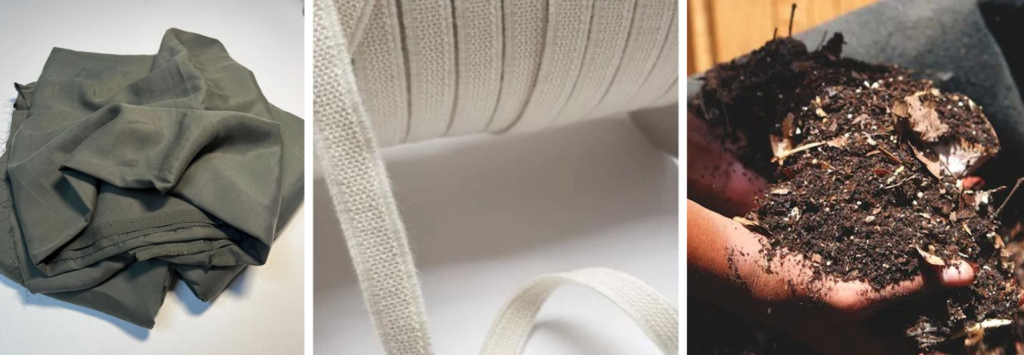
Mandy’s Bachelor Professional thesis focused on testing the biodegradability of various elastic bands, specifically exploring the potential for materials such as cotton, natural rubber, and lyocell to break down safely in a compost environment. In partnership with Alpenwurm.at in Vienna, the experiment evaluated three different types of elastics:
- Polyamide 6.6/Elastan (PA 6.6/EL)
- Tencel™ Lyocell/Roica V550 (CLY/ROICA)
- Cotton (organic)/Natural rubber (CO/NR)
The results were compelling. After 371 days of composting, the cotton/natural rubber elastic demonstrated significant degradation, leaving only small rubber remnants that had lost much of their elasticity. This result aligns with Deepwear’s commitment to sourcing biodegradable and compostable materials, providing a sustainable alternative to conventional synthetic materials.
This experiment is a testament to the growing importance of biodegradable materials in the fashion industry. As consumer awareness about sustainability increases, materials like cotton/natural rubber elastics are becoming increasingly valuable for fashion brands looking to reduce their environmental footprint.
Why Biodegradable Materials Matter for the Future of Fashion
As the demand for eco-conscious fashion continues to grow, innovations in sustainable textiles are becoming essential. Materials such as biodegradable elastic bands, made from organic cotton and natural rubber, present exciting opportunities for fashion brands to reduce their environmental impact. These materials not only perform well but also decompose naturally, reducing the burden on landfills and promoting a circular economy.
The sustainability of elastic bands is an important example of how fashion manufacturers are shifting away from harmful synthetic materials. As more fashion brands seek to make environmentally responsible choices, innovations like these are critical in creating a future where fashion is both beautiful and sustainable.
Market Trends: The Rapid Growth of Sustainable Fashion
The transition toward sustainable fashion is not just a trend—it’s a global movement that is gaining momentum. According to Cognitive Market Research, the global sustainable fashion market is set to reach USD 7,915.2 million by 2024, growing at a compound annual growth rate (CAGR) of 23.50% from 2024 to 2031. This explosive growth reflects the increasing consumer demand for eco-friendly and ethically produced fashion items.
However, sustainable fashion remains a complex and often misunderstood concept. While terms like ‘plastic-free,’ ‘organic,’ and ‘recycled,’ are often used to describe sustainable fashion, they can sometimes be contradictory. For instance, while an item made from recycled plastic may be labeled as sustainable, it still carries environmental costs associated with plastic production and recycling processes. This complexity has made it challenging for consumers to identify genuinely sustainable fashion choices.
Despite these challenges, the market for sustainable fashion is expanding. Statista reports that the sales share of sustainable clothing has steadily increased over the past decade, and it is forecast to exceed six percent by 2026. This upward trend signals a growing consumer preference for fashion that not only looks good but also protects the planet.

Deepwear’s Role in Driving Sustainable Practices
At Deepwear, we understand the importance of ethically sourced materials in the fashion industry. Our commitment to working with innovative suppliers who prioritize sustainability is central to our mission. The findings from CHARLE’s compostability experiment exemplify how biodegradable materials such as cotton and natural rubber elastics can play a significant role in the evolution of sustainable fashion.
In a world where sustainability is becoming a non-negotiable standard, Deepwear continues to lead the way in sourcing fabrics that align with eco-conscious values. By offering sustainable alternatives to traditional materials, we are not only helping brands meet growing consumer demand but also fostering a positive impact on the global fashion ecosystem.
The Future of Sustainable Fashion: What Lies Ahead?
The future of sustainable fashion is bright, with biodegradable fabrics and compostable materials expected to become more commonplace. As consumer demand for ethical products grows, brands are increasingly turning to sustainable alternatives that reduce environmental harm while maintaining the high quality and aesthetic appeal consumers expect.
Deepwear is excited to continue collaborating with brands that are pushing the envelope on sustainability. As the sustainable fashion market continues to expand, driven by trends such as increased consumer awareness and regulatory support, Deepwear will remain a trusted partner in providing cutting-edge solutions that help brands meet their sustainability goals.
For more insights into the latest sustainable fabrics, check out our related articles, including Intro to Sustainable Fabrics and Top Fabrics of 2025, which highlight the materials shaping the future of eco-conscious fashion.
Join the Movement Toward a Sustainable Fashion Future
Deepwear is at the forefront of the sustainable fashion revolution, championing innovation and eco-conscious practices that prioritize both performance and environmental responsibility. By spotlighting initiatives like Mandy’s compostability experiment, we aim to inspire the industry to embrace materials that truly support a circular economy.
The shift to biodegradable fabrics is more than a trend—it’s a necessity. As the sustainable fashion market accelerates, Deepwear remains committed to empowering brands with cutting-edge solutions that reduce their environmental footprint. Together, we can transform the fashion industry, one responsible choice at a time.
Ready to make a difference? Contact Deepwear today to learn how we can help you bring sustainable innovation to your brand.