
Camel wool is a rare luxury fiber with unique warmth and durability. Learn how brands source camel wool responsibly, compare it to cashmere, and assess real production feasibility with Deepwear.
Sheep wool and cashmere continue to dominate the global wool market. They are familiar, scalable, and deeply integrated into modern sourcing systems. Camel wool, by contrast, remains a niche material; often referenced in luxury fashion, but rarely understood at a sourcing, production, or supply-chain level.
Yet camel wool offers a distinctive combination of warmth, durability, breathability, and natural aesthetics that positions it firmly within the luxury fiber category. For brands looking to diversify beyond conventional animal fibers, camel wool is not a trend-driven choice, but a strategic one that requires a clear understanding of availability, cost, and sourcing realities.
In this blog we cover:
- What camel wool is and how it compares to sheep wool and cashmere
- Where camel wool comes from and why supply is limited
- Pricing realities, sourcing regions, and common use cases
- What brands should consider when sourcing camel wool with Deepwear
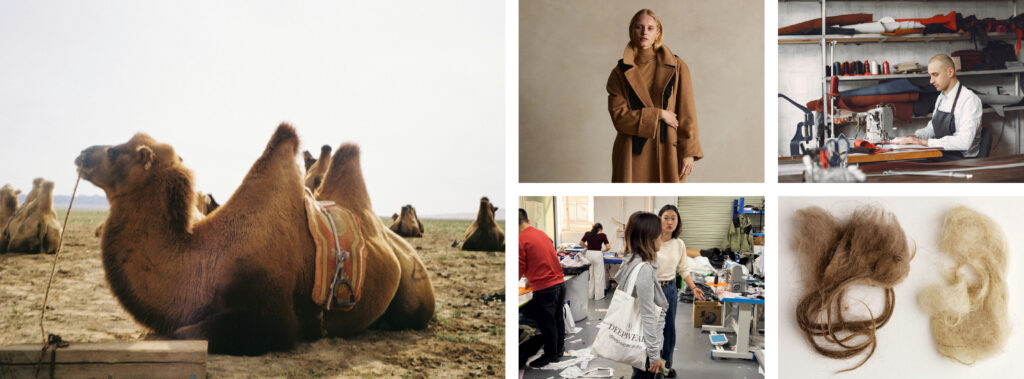
What Is Camel Wool (Camel Hair)?
Camel wool—also referred to as camel hair in the textile industry—is a natural animal fiber obtained from a camel’s coat. While both Bactrian (two-humped) and dromedary (one-humped) camels produce hair, commercial camel wool used in apparel comes primarily from Bactrian camels.
Bactrian camels are native to Central Asia and have adapted to extreme continental climates. To survive harsh winters, they develop a dense, insulating undercoat that is shed seasonally. This fine undercoat is the source of high-quality camel wool used in textiles.
Undercoat vs Guard Hair
Camel fiber consists of two distinct components:
- Undercoat (down): Fine, soft, lightweight fibers used in luxury garments, knitwear, and accessories
- Guard hair: Coarser, longer fibers typically used in rugs, carpets, upholstery, or industrial textiles
High-end camel wool products rely almost exclusively on the undercoat, which must be carefully separated, cleaned, and processed.
Key Performance Properties
Camel wool is valued for a combination of functional and sensory qualities:
- Excellent thermal insulation with a high warmth-to-weight ratio
- Strong breathability and moisture regulation
- Low lanolin content, making it naturally hypoallergenic and suitable for sensitive skin
- High durability and resistance to abrasion compared to many fine animal fibers
- Naturally occurring warm beige and brown tones, often used without dyeing
These properties place camel wool in close comparison with cashmere and fine merino, while offering a distinct hand feel and visual identity.
Luxury fibers require luxury-level planning — especially when supply is seasonal and geographically concentrated. Deepwear supports brands through material evaluation, sourcing strategy, and production planning to ensure specialty fibers like camel wool are integrated realistically and responsibly.
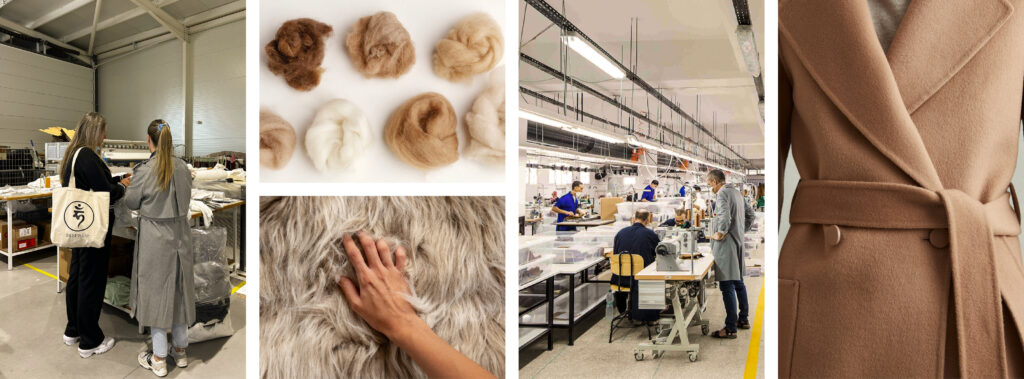
Camel Wool Pricing and Market Position: How It Compares
Camel wool sits in a distinct position within the natural fiber market. It is neither a commodity fiber like standard sheep wool nor as widely recognized as cashmere, yet its pricing reflects its scarcity, performance characteristics, and processing complexity.
Unlike sheep or goats, camels produce a limited amount of usable fine fiber each year. Only the soft undercoat — collected during the spring molting season — is suitable for high-end textile applications. This structural limitation shapes both availability and cost across the supply chain.
To understand where camel wool stands commercially, it helps to compare it directly with sheep wool and cashmere across pricing, sourcing regions, and typical use cases.
Disclaimer: Pricing figures are based on current market estimates and may vary depending on supplier, fiber grade, processing level, order volume, and seasonal availability.
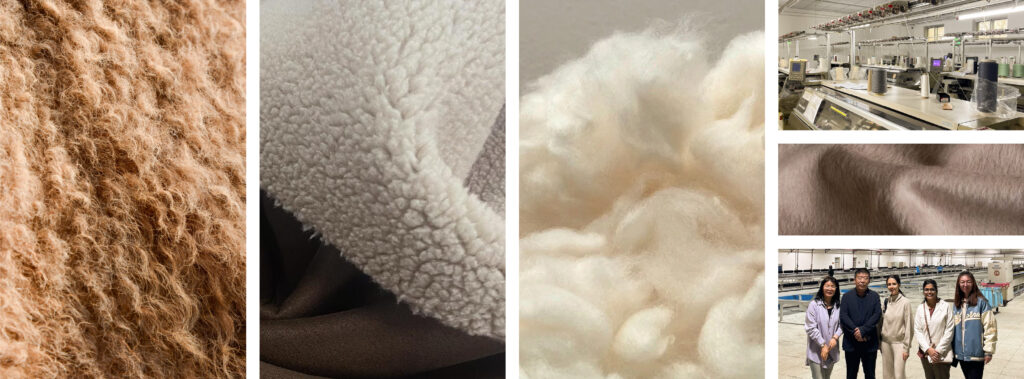
Camel wool, sheep wool, and cashmere each differ in cost, origin, and application.
Camel wool is a rare, high-value fiber, typically priced between ~$80–$150/kg for clean undercoat, with premium grades reaching ~$200/kg. It is mainly sourced from Bactrian camels in Central Asia, especially Mongolia and Northern China. Common uses include high-end coats, knitwear, scarves, and home textiles like blankets and rugs.
Sheep wool is the most versatile and accessible option. Prices range from ~$8–$20/kg for coarse wool and ~$25–$50/kg for fine Merino. It is sourced globally, with key regions including Australia, New Zealand, Europe, China, and Argentina. It’s widely used in everyday apparel, knitwear, woven fabrics, and technical textiles.
Cashmere is a luxury fiber, generally costing ~$80–$200+/kg, with top grades reaching up to ~$650/kg (fiber equivalent). It is primarily sourced from Mongolia and China and is used for premium knitwear, scarves, and high-end outerwear.
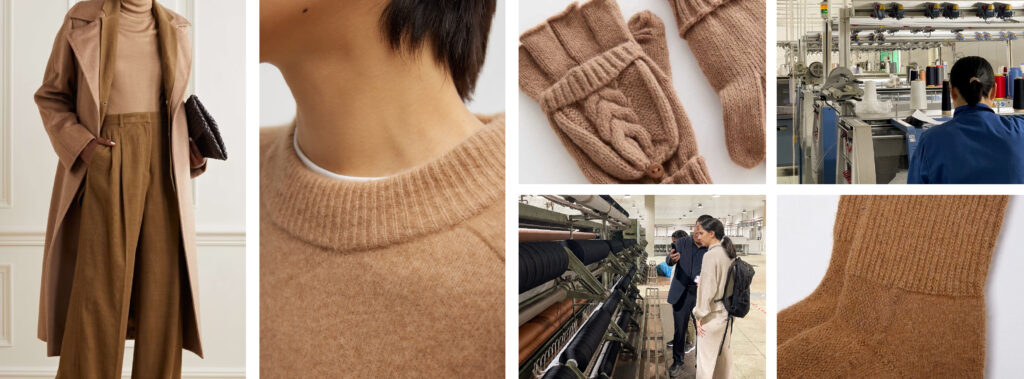
What Drives Camel Wool Pricing
Camel wool pricing is influenced less by market demand and more by structural supply realities. Key cost drivers include:
- Limited fiber yield per animal, especially for fine undercoat
- Seasonal harvesting, which restricts annual supply windows
- Labor-intensive dehairing and cleaning, required to separate soft undercoat from coarse guard hair
- Limited mill capacity, as only a small number of processors are equipped to handle camel fiber at high quality
- Natural color sorting, which replaces dyeing but adds grading complexity
Because of these factors, camel wool is rarely positioned for high-volume or fast-fashion production. Instead, it performs best in deliberate, small-to-medium scale runs where material story, longevity, and tactile quality justify the cost.
Considering camel wool for an upcoming collection? Our sourcing team can help you evaluate availability, costs, and production timelines before you commit. Speak with a Deepwear sourcing specialist.
How Brands Typically Use Camel Wool
In commercial production, camel wool is most often used in outerwear and knitwear, where its warmth-to-weight ratio, breathability, and subtle natural tones are most visible. Many brands choose to blend camel wool with sheep wool or silk to balance softness, durability, and pricing while maintaining the material’s distinctive character.
For home textiles and interior applications, coarser camel fibers are valued for abrasion resistance and durability, making them suitable for blankets, rugs, and upholstery textiles.
From a sourcing perspective, camel wool functions as a strategic material rather than a default one — best suited to collections where material integrity, origin transparency, and quiet luxury are central to the product narrative.
Is Camel Wool a Viable Material for Fashion Brands?
Camel wool is viable for brands producing small to medium runs where material integrity, longevity, and differentiation justify higher costs and longer lead times. Due to seasonal supply and limited processing capacity, camel wool is best suited for outerwear, knitwear, and premium accessories rather than high-volume production. Deepwear helps brands assess feasibility, sourcing regions, and production scale before committing.
What This Means for Brands Working With Deepwear
Camel wool requires a sourcing approach that prioritizes planning, technical clarity, and realistic timelines. While Deepwear does not currently operate an office in Mongolia, our established presence in China allows us to support brands interested in camel wool through vetted supply networks, mill partners, and production workflows already integrated into our sourcing ecosystem.
In practice, this means guiding brands through:
- Fiber selection decisions, including pure camel wool versus blended constructions
- Supplier and mill matching, based on volume, quality expectations, and end use
- Cost and MOQ assessment, aligned with seasonal availability and processing constraints
- Production planning, accounting for longer lead times compared to commodity wools
For brands seeking differentiation through material integrity rather than trend saturation, camel wool represents a considered investment; one that benefits from experienced sourcing support and clear expectations at every stage of development.
Camel wool demands planning, technical clarity, and the right sourcing partners.
If your brand is exploring specialty fibers or alternative luxury materials, Deepwear can help you validate feasibility, match suppliers, and build a realistic production strategy.
Get in touch with our team to evaluate your next material direction.