
Stop production fit failures. Learn why correct measurements don’t guarantee good fit, how fabric behavior affects sizing, and why “ease” is the missing link in your tech packs. Master fit control with Deepwear.
Correct measurements are often treated as the finish line in garment development. Once a size chart is approved and a tech pack is sent to the factory, many founders expect samples to come back fitting exactly as intended. When that doesn’t happen, the assumption is usually that something went wrong in production.
In practice, most fit issues don’t come from incorrect measurements. They come from how measurements interact with ease, fabric behavior, construction, and real-world use. This is especially true for custom garments, corporate wear, and campaign pieces where adjustability is limited and expectations are high.
In this blog we cover:
- Why correct measurements still lead to poor garment fit
- The role of ease in fit failure and wearability
- How fabric behavior and construction affect final fit
- Why samples don’t match size charts in real use
- How brands can control fit before production
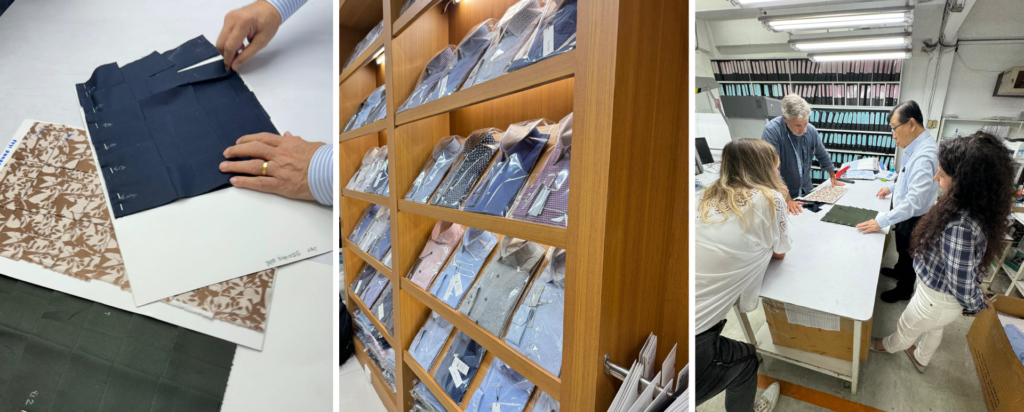
Measurements Are Not the Same as Fit
Measurements describe dimensions. Fit describes performance.
Body measurements reflect the wearer’s physical size. Garment measurements reflect the finished product, which must allow space for movement, comfort, and intended silhouette. The difference between the two is where fit is either solved or broken.
A garment can match the size chart perfectly and still feel tight, restrictive, or uncomfortable once worn. That’s because fit depends on how measurements behave when fabric bends, stretches, resists movement, or responds to heat and moisture. Numbers alone don’t account for this. This gap becomes more obvious as garments move away from basics and toward structured, non-stretch, or purpose-specific designs.
Ease: Where Most Fit Problems Begin
Ease is the additional space built into a garment beyond body measurements. It is essential, but often misunderstood or oversimplified.
Wearing ease is the minimum allowance required for breathing, sitting, lifting arms, and walking. Design ease is additional volume added for aesthetic reasons, such as a relaxed or oversized silhouette.
Problems arise when ease is technically present but physically unworkable. For example:
- Non-stretch woven fabrics require more functional ease than stretch fabrics.
- Corporate garments like vests or uniforms offer little room for adjustment.
- Tight tolerances may look fine on paper but fail during actual wear.
This is where Deepwear’s role often becomes critical. When brands submit tech packs with technically correct measurements but unworkable ease values, we work with both the brand and the factory to recalibrate allowances based on fabric behavior and garment function—without compromising the intended silhouette.
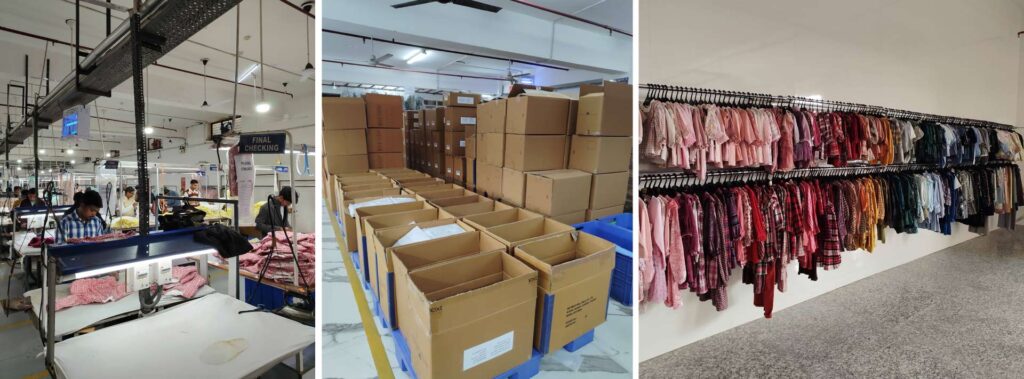
Why Samples Don’t Match Size Charts
From our team’s experience, coordinating sampling across multiple manufacturing partners, most “measurement mismatches” are not errors but translation gaps—where design intent, material properties, and construction logic are misaligned.
Several factors contribute to this disconnect:
- Fabric behavior: Some fabrics drape, others hold structure. Some stretch and recover, others don’t. The same measurement applied to different fabrics produces different results.
- Construction method: Seams, linings, interfacings, and finishing techniques affect how a garment sits on the body.
- Use case: A garment designed for long wear at a corporate event has different functional demands than a fashion piece worn briefly.
When these factors aren’t fully accounted for, samples can technically match the size chart while still failing fit expectations.
Fabric, Color, and Print Affect Fit More Than Expected
Fit is often discussed separately from fabric and color decisions, but in production they are tightly linked.
In Deepwear-led productions, these constraints are assessed simultaneously rather than sequentially. Fabric selection, color saturation, and print methods are evaluated alongside fit allowances to avoid late-stage compromises that undermine comfort or wearability.
This creates unavoidable trade-offs:
- Breathability vs color intensity
- Comfort vs print durability
- Fabric softness vs structural stability
For example, a client may request a breathable fabric that doesn’t trap sweat, combined with bold printed branding for a corporate campaign. In some cases, no single fabric can fully satisfy both requirements. Adjustments must be made—either to fabric choice, print method, or fit allowances.
These compromises directly affect fit, even when measurements remain unchanged.
Need flexibility across regions and order sizes? See how our manufacturing network works for growing and established labels.
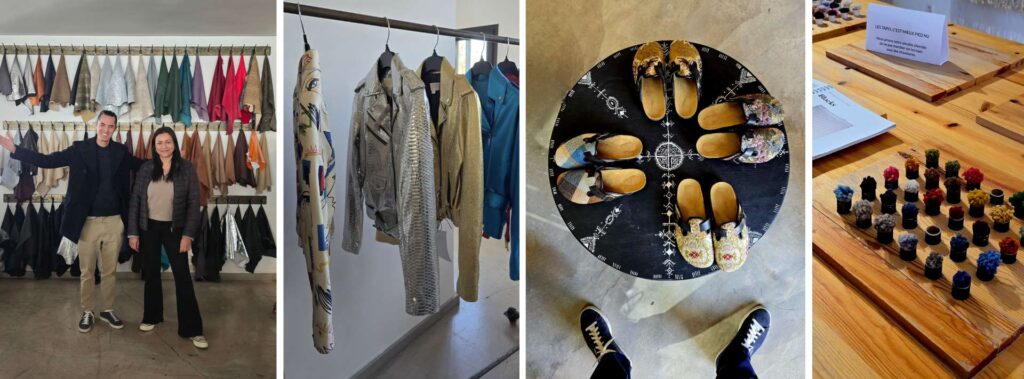
Why Basics Are Easier Than Custom Garments
Not all garments carry the same fit risk. Basics such as hoodies, tees, and simple dresses are easier to execute because:
- Stretch fabrics absorb small measurement inaccuracies.
- Elastic, lacing, or simple corsetry adds adjustability.
- Solid-dyed fabrics reduce complications from surface treatments.
Custom or purpose-driven garments—such as corporate vests, campaign uniforms, or non-standard silhouettes—are less forgiving. They often use non-stretch fabrics, rely on precise structure, and leave little room for adjustment. When branding, prints, or specific color requirements are added, the margin for error narrows further.
This is why garments that look simple in concept can be complex in execution.
When Factories Push Back on Tech Packs
A factory rejecting or questioning a tech pack is often interpreted as resistance. In reality, it’s a risk assessment.
Factories evaluate whether a garment can be produced to spec, worn comfortably, and pass quality control. Common reasons for pushback include:
- Insufficient ease for the chosen fabric
- Incompatible fabric and print combinations
- Unrealistic tolerances for non-adjustable garments
Addressing these issues early prevents costly revisions and production delays later.
For a broader look at how measurements connect with sampling, grading, and color consistency in production, this is explored in more detail in our blog “Measurements, Grading, and Sampling: Why Every Brand Needs a Solid Foundation.”
Are your custom designs failing the fit test? Complex garments like corporate wear or structured pieces leave no room for error. Don’t let a bad pattern ruin your production run. Contact our technical team to review your tech packs and ease allowances before you cut fabric.
Why do my samples fit poorly even if measurements are correct?
Measurements only describe dimensions, not performance. Poor fit often results from ignoring “ease” (space for movement) or failing to account for how specific fabrics drape, stretch, or shrink. A size chart is just a starting point, not a guarantee of wearability.
What is the difference between wearing ease and design ease?
“Wearing ease” is the minimum space needed for movement (breathing, sitting, lifting arms). “Design ease” is extra volume added for style (like an oversized look). Ignoring wearing ease leads to restrictive garments that tear or are uncomfortable.
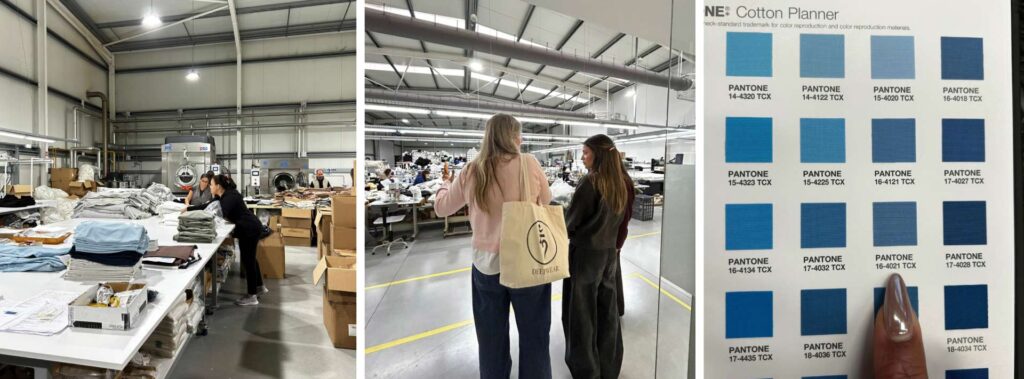
Fit Control as a Brand Capability
Fit control is not about correcting factory mistakes. It’s about translating creative intent into something that can exist in the real world.
In practice, this means:
- Adjusting ease without losing silhouette
- Recommending alternative fabrics or print methods
- Balancing comfort, durability, visual impact, and budget
- Communicating clearly between brand and factory
In one production scenario, a client arrived with finalized measurements and a complete tech pack for a custom corporate garment. The factory flagged feasibility issues related to fabric performance and color application. By adjusting fabric selection and allowances—without altering the brand’s visual intent—the garment became wearable, manufacturable, and cost-aligned.
Correct measurements are necessary, but they are not sufficient. Fit breaks when ease, fabric behavior, color application, and use case are treated as secondary considerations.
For brands producing anything beyond basic garments, fit must be actively managed throughout development, not assumed once measurements are approved.
Understanding these constraints early protects timelines, budgets, and brand credibility. Fit is not calculated at the end of the process, but designed from the start.
Turn Measurements into Wearable Reality
Fit control is the bridge between a spreadsheet and a happy customer. At Deepwear, we ensure your creative intent survives the technical translation. From pattern adjustments to fabric testing, we secure the fit before you scale. Solve Your Fit Issues with Deepwear.