
Data-driven sourcing is reshaping fashion production in 2026. Learn how brands use market insight, factory intelligence, and real-world execution with Deepwear to reduce risk and build longer-lasting collections.
Volatility becomes the operating condition of the fashion industry as we go into 2026. According to The State of Fashion 2026 by McKinsey & Company, fashion leaders have moved past uncertainty and accepted constant disruption as the new normal. Trade routes are being redrawn by tariffs, consumer spending remains cautious and value-driven, and rapid advances in AI are reshaping how products are designed, discovered, and sold.
In this environment of low growth and heightened complexity, the traditional fashion sourcing model is under strain. Bulk buying, rigid seasonal calendars, and intuition-led forecasting leave brands exposed to inventory risk, margin erosion, and sustainability pressure. The challenge is no longer predicting trends; it is building the agility and precision to respond to real demand.
This is where data-driven fashion sourcing becomes essential. By aligning production with sales data, cultural signals, and supply-chain intelligence, brands can move away from speculative volume and toward data-led production: producing fewer units, sourcing more intentionally, and investing in products designed to last. At Deepwear, we see data not as a tool for acceleration alone, but as a way to support timeless design, resilient sourcing strategies, and long-term brand value.
In this blog we cover:
- Why data-driven sourcing is becoming essential as fashion enters 2026
- How brands can distinguish lasting demand from short-term trends
- Why timeless, heirloom-level products are increasingly a data outcome
- How Deepwear turns insight into real-world production decisions

What Data-Driven Sourcing Actually Means
Data-driven sourcing is not about replacing intuition with dashboards. It is about using verified information to make smarter, calmer decisions across design, production, and sourcing. For emerging fashion brands or those navigating slower growth and higher risk, this approach has become foundational rather than optional.
At a practical level, data-driven fashion sourcing connects four key intelligence layers:
- Demand forecasting, which aligns production volumes with realistic sell-through expectations
- Market and pricing intelligence, which identifies where consumers perceive value across regions and categories
- Cultural and trend signal analysis, that tracks repeated aesthetic behavior rather than one-off hype
- Supply-chain and factory capability data, which ensures that materials, timelines, and craftsmanship are actually executable
What this approach avoids is just as important. It is not trend-chasing, where brands react after demand has peaked. It is not automation for speed’s sake, where faster cycles create more waste. And it is not fast fashion dressed up as efficiency.
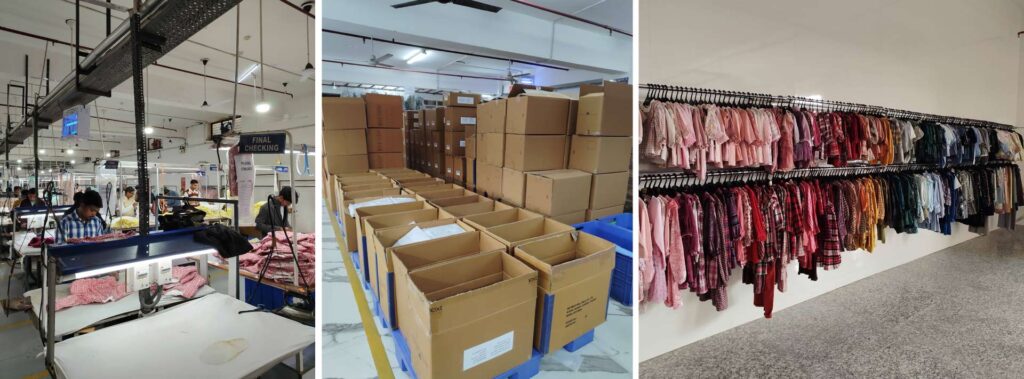
Good data does not accelerate production. It refines it, allowing brands to design with intention, source responsibly, and reduce unnecessary risk across the value chain. This principle underpins much of Deepwear’s work with emerging and scaling brands, where production decisions are guided by evidence, and not impulse.
From Short-Term Trends to Enduring Signals
One of the clearest advantages of data-led production is its ability to separate temporary spikes from lasting demand. Fashion is full of declarations, but consumer behavior tells a more reliable story. When certain colors, materials, or silhouettes perform consistently across seasons, markets, and media channels, they move from trend to signal.
This distinction was explored in our recent Pantone color analysis blog, where commercial data showed sustained demand for green over multiple buying cycles, even as white and other neutrals dominated official forecasts. The insight was not that Pantone was wrong, but that real-world sourcing decisions benefit from observing behavior over time, not just seasonal proclamations.
The same logic applies to cinematic influence. As discussed in our blog on the entertainment-to-fashion pipeline, film and visual culture function as long-term aesthetic infrastructure. Cinema shapes how elegance, power, and intimacy are visually coded, and those codes resurface across decades rather than seasons.
When brands read these influences through data, they begin to see patterns:
- Repeated color adoption across categories signals commercial durability
- Cinematic aesthetics that reappear in retail indicate cultural longevity
- Consumer response over time matters more than short-term visibility
Data allows brands to invest in what endures, rather than reacting to what merely trends.
Why Timeless, Heirloom-Level Products Are a Data Outcome
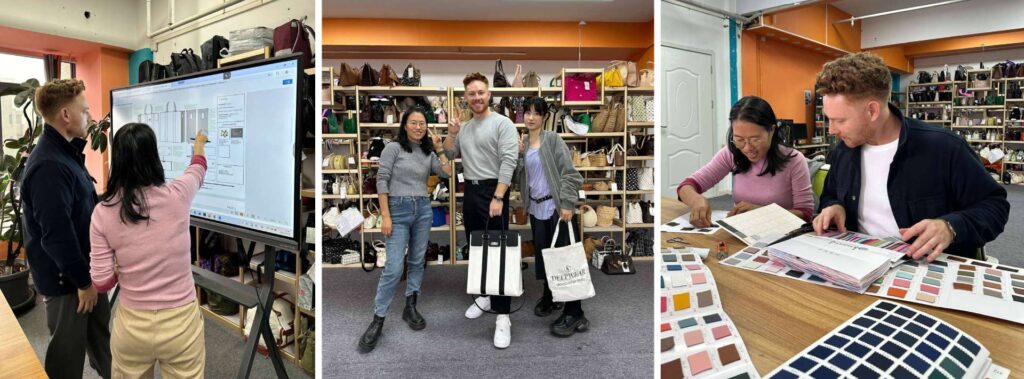
Timeless design is often framed as emotional or nostalgic, but in today’s market it is increasingly a data-supported strategy. As consumers buy fewer items, expectations rise around quality, versatility, and longevity. This shift is visible across premium categories that continue to perform well in uncertain conditions.
Data consistently points toward stronger performance in areas such as:
- Jewelry and accessories, where emotional value and durability intersect
- Elevated materials and craftsmanship, which justify long-term ownership
- Clean, adaptable silhouettes that outlast seasonal styling cycles
McKinsey’s 2026 State of Fashion report reinforces this direction, highlighting value-driven purchasing, the growing influence of older consumers, and a clear move toward fewer, better items. In this environment, brands that rely on excess volume struggle, while those focused on elevation and longevity gain resilience.
Deepwear’s sourcing philosophy aligns directly with this shift. By combining market intelligence with factory expertise and material knowledge, the goal is not to produce more, but to produce better. Heirloom-level design is not about looking backward. It is about using data to create products that remain relevant, desirable, and wearable long after the season ends.
If your team is rethinking how decisions are made in design and production, Deepwear can help you translate data into sourcing choices that work in the real world. Connect with our team through the contact page to discuss how this approach can strengthen your next collection.
What Is Data-Driven Sourcing in Fashion Production?
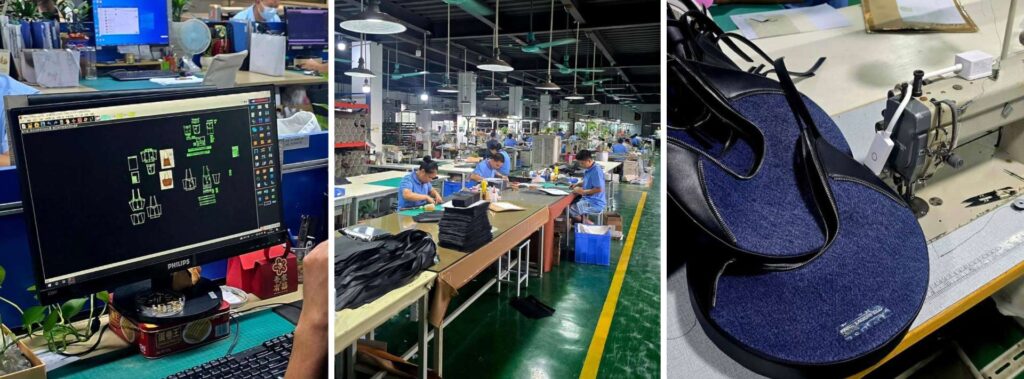
Data-driven sourcing means using real-world data — including sales behavior, cultural signals, pricing trends, and factory capability insights — to guide design and production decisions. Instead of relying on guesswork or trend-chasing, brands align volumes, materials, and timelines with realistic market demand. Deepwear helps fashion brands turn this intelligence into sourcing strategies that are practical, resilient, and built for long-term value.
How Deepwear Turns Data Into Production Reality
Insight alone does not move product. What determines success is whether that insight can survive the journey from spreadsheet to sample, from concept to factory floor. This is where many brands stall, not because the data is wrong, but because execution breaks down.
At Deepwear, we exist to close that gap. Under the leadership of our CEO, Thoray d’Haese Sacoor, whose career in fashion manufacturing and sourcing spans more than three decades, our approach is shaped by lived experience as much as by intelligence. Many of the best practices we apply today were forged through lessons learned over time — navigating missed timelines, mismatched factories, overproduction cycles, and opaque supply chains so our clients don’t have to.
That experience is embedded across our 17 globally connected offices, where we operate every day in key sourcing and production regions. We work on the ground, close to factories, materials, and people, translating data into decisions that can actually be executed. This allows us to align insight with real-world constraints: from lead times and labor capacity to quality standards and compliance, without compromising long-term brand value.
In practice, this looks like:
- Turning demand and pricing intelligence into realistic, defensible production volumes
- Matching product complexity with factories that are structurally equipped to deliver it
- Designing MOQ strategies that allow brands to test, learn, and scale responsibly
- Structuring sourcing plans that remain flexible as markets shift, rather than locking brands into brittle supply chains
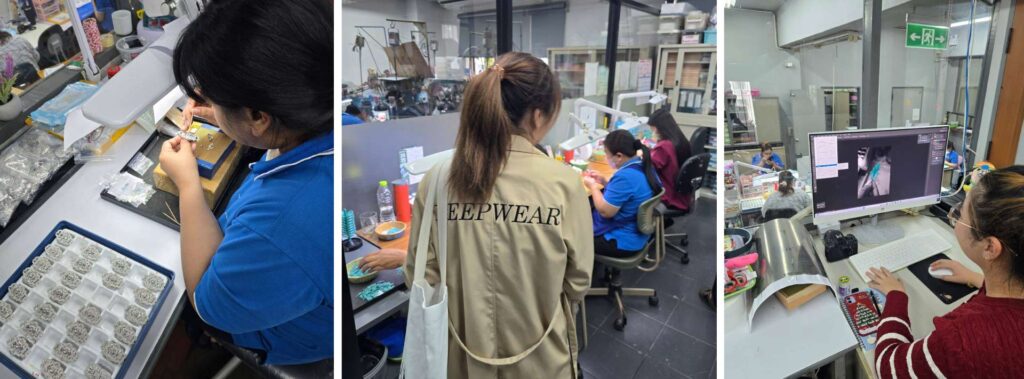
We are not a middleman passing instructions downstream. We act as an interpreter and negotiator between commercial ambition and manufacturing reality. Through long-term relationships with vetted partners and continuous on-the-ground involvement, we ensure alignment at every stage of production.
Brands that succeed in 2026 are those that produce with intention, not volume. If you want guidance on building a sourcing model grounded in evidence, quality, and long-term value, our consultants are available to work with you. Book a strategy call through our contact page and let’s design a smarter path forward.